
Pritzker Prize 2020 Winner, Global Architecture Award, Architects, Designer, Jury, News
Pritzker Architecture Prize Laureate Winner
New Jurors for International Architect Award – Results through the Years
Mar 3, 2020
Pritzker Architecture Prize Laureate 2020 Winner
Yvonne Farrell and Shelley McNamara Receive the 2020 Pritzker Architecture Prize
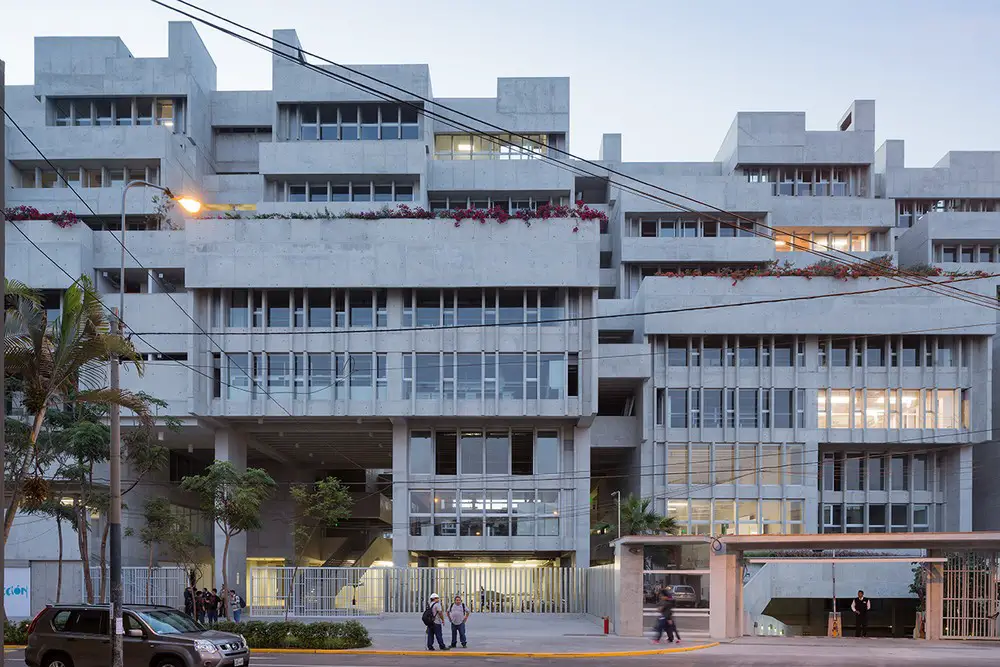
March 3rd, 2020, Chicago, IL, USA – Yvonne Farrell and Shelley McNamara of Dublin, Ireland, have been selected as the 2020 Pritzker Prize Laureates, announced Tom Pritzker, Chairman of The Hyatt Foundation, which sponsors the award that is known internationally as architecture’s highest honor.
Pritzker Architecture Prize Laureate 2020 Winners
In February this Irish architecture practice was also announced as the RIBA Gold Medal for Architecture 2020 Winners.
Dublin-based architects practice Grafton Architects.
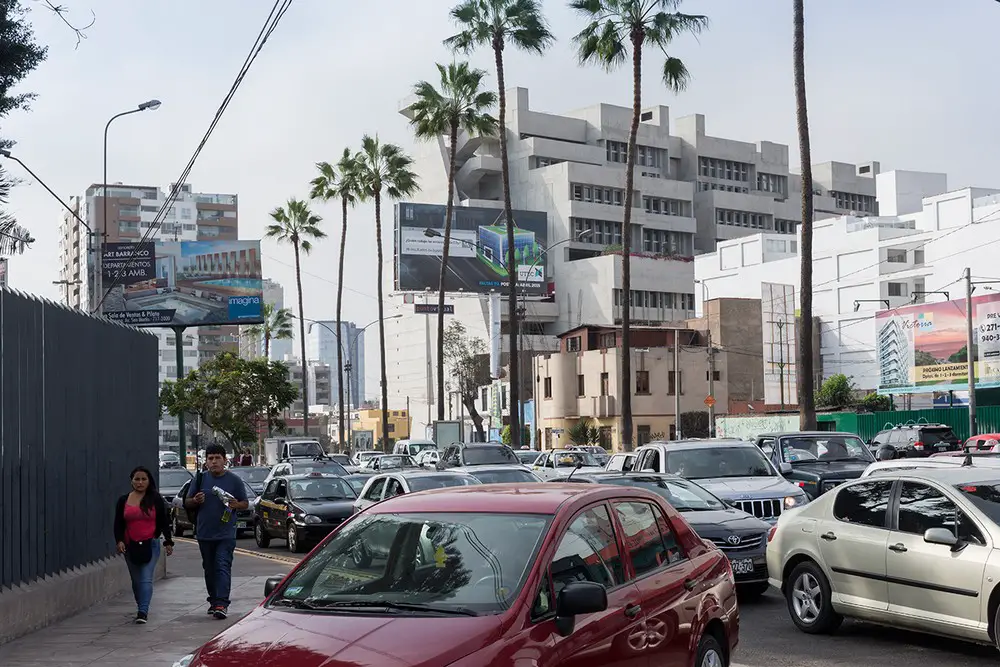
photograph : Iwan Baan
Aug 16, 2018
The Hyatt Foundation Appoints New Chair of The Pritzker Architecture Prize Jury
The Hyatt Foundation appoints Justice Stephen Breyer as Chair of the Pritzker Architecture Prize Jury following the retirement of the most recent Chair, Glenn Murcutt, announced Tom Pritzker, Chairman.
Pritzker Architecture Prize Jury
7 Mar 2018
2018 Pritzker Architecture Prize Winner
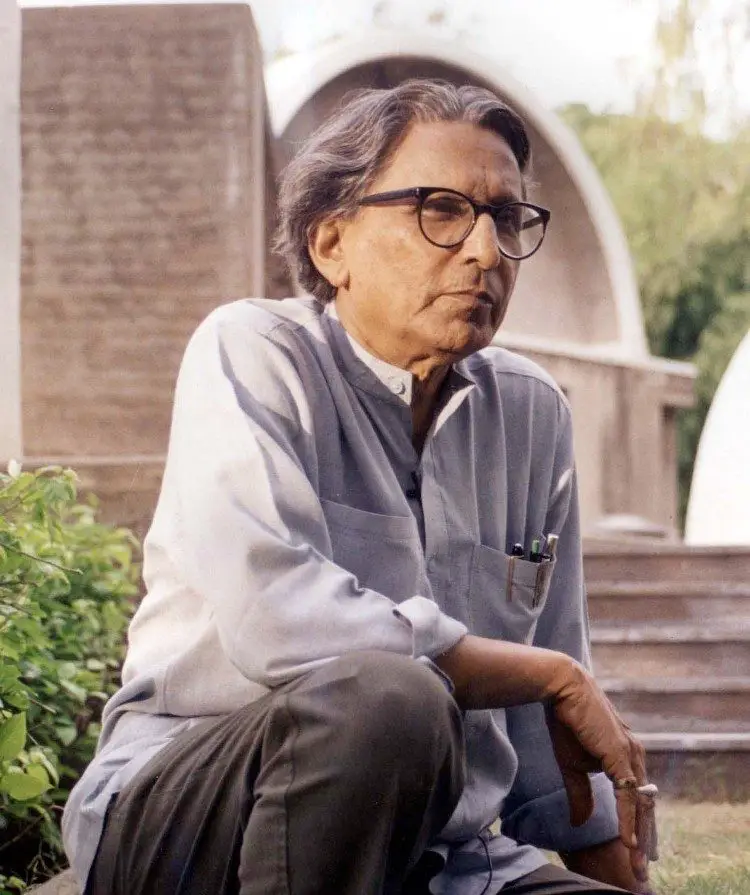
photo courtesy of VSF
Professor Balkrishna Doshi, India, selected as the Pritzker Architecture Prize 2018 Laureate, announced the Hyatt Foundation, which sponsors the award, known internationally as architecture’s highest honor.
Jan 30, 2018
New Juror for the Pritzker Architecture Prize 2018
Pritzker Prize 2018: Architecture Award
Sep 6, 2017
Pritzker Architecture Prize 2017 Jury
New Jurors for the Pritzker Architecture Prize
September 6, 2017, Chicago, IL – The Hyatt Foundation Appoints New Jury Members for The Pritzker Architecture Prize
The Pritzker Architecture Prize appoints two new jurors, architect and 2012 Laureate Wang Shu and André Aranha Corrêa do Lago, as the newest members of the distinguished Pritzker Prize Jury. The upcoming 2018 edition of the Pritzker Prize marks the 40th anniversary of the accolade, which has come to be known internationally as architecture’s highest honor.
Tom Pritzker, Chairman of Hyatt Foundation, comments, “As we approach the 40th anniversary of the Pritzker Prize, the addition of André Corrêa do Lago and Wang Shu continues to embody the international range reflected by both present and past Laureates and Jury. The contributions of both individuals to the field of architecture, from different vantage points, makes them ideal members of the jury.”
Born in Ürümqi, China, and based in Hangzhou, Mr. Wang’s works incorporate cultural traditions, craft skills and spontaneous elements throughout. The 2012 Pritzker Prize Jury wrote of his work that it is “exemplary in its strong sense of cultural continuity and re-invigorated tradition.”
Wang Shu architect:
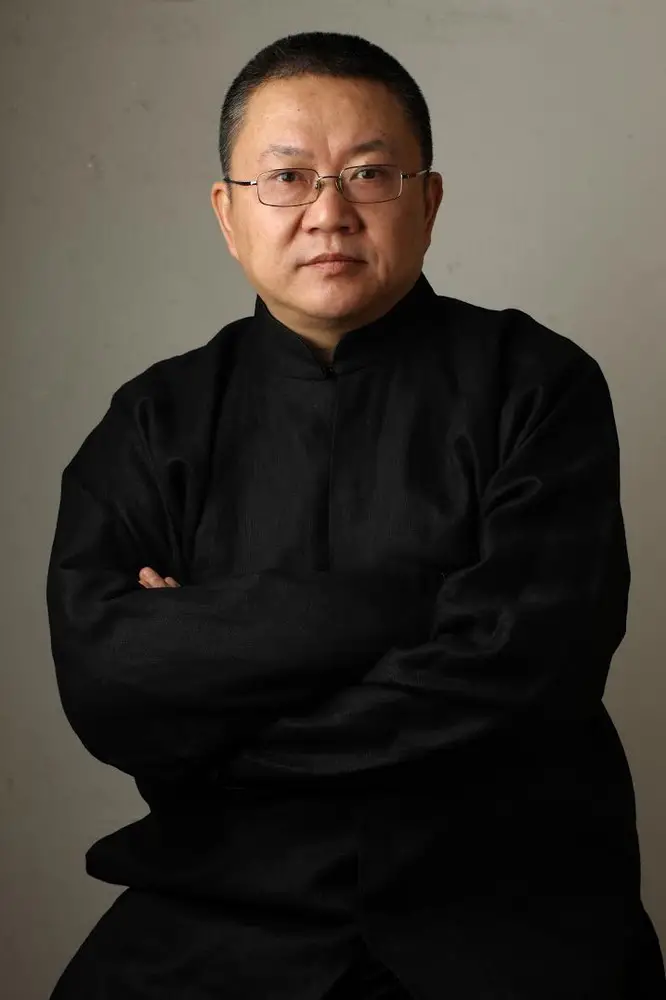
photo courtesy of Pritzker Prize
Mr. Wang is Dean of the School of Architecture at China Academy of Art, Hangzhou, and co-founder of the Amateur Architecture Studio, which he established with his partner and wife, Lu Wenyu, in 1997. In 2011, he was the first Chinese Kenzo Tange Visiting Professor at Harvard Graduate School of Design in Cambridge, Massachusetts.
Notable works of Amateur Architecture Studio include the Library of Wenzheng College, Suzhou University (2000); Five Scattered Houses, Ningbo (2005); Xiangshan Campus, China Academy of Art (Phase I and Phase II) Hangzhou (2004 and 2007); Ceramic House, Jinhua (2006); Vertical Courtyard Apartments, Hangzhou (2007); Ningbo History Museum, Ningbo (2008); the renovation of Wencun Village (2015) and Fuyang Cultural Complex, Fuyang near Hangzhou (2017).
“It is a great responsibility to serve on the jury,” states Mr. Wang. “I also hope to share my knowledge of China and the Asian context with them.”
André Aranha Corrêa do Lago:
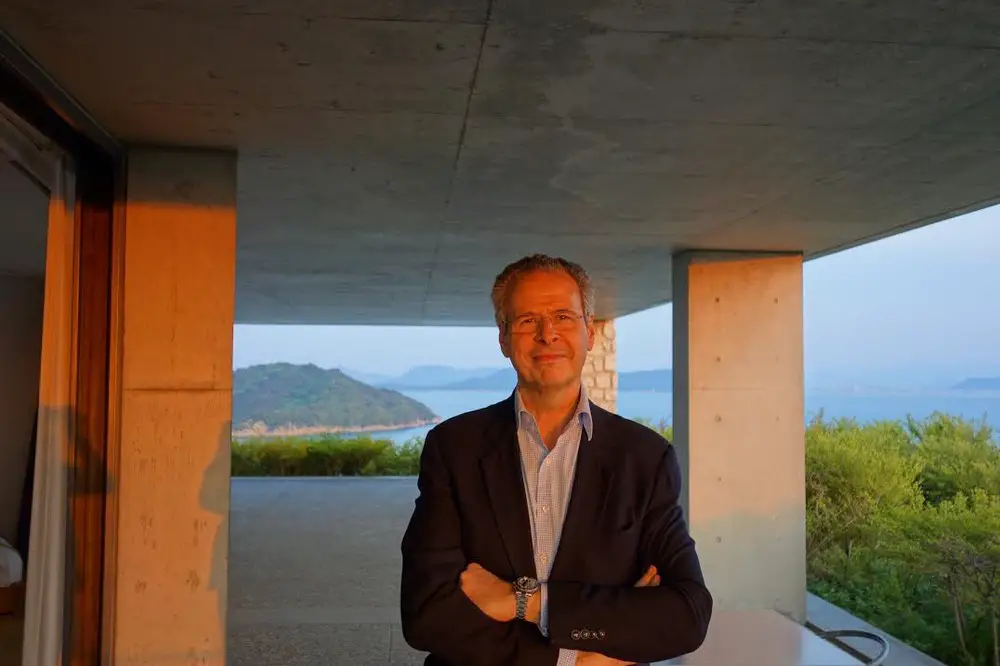
photo courtesy of Pritzker Prize
Mr. Corrêa do Lago serves as the current Brazilian Ambassador to Japan and has previously held positions within the Brazilian Embassies in Madrid, Prague, Washington, D.C., Buenos Aires, and at the Brazilian Mission to the European Union, in Brussels. Since 2001, he has been a negotiator for sustainable development and energy and has lectured and written extensively on these issues.
Also a recognized architectural critic, he was the curator of the Brazilian Pavilion at the Venice Biennale of Architecture (2014), and the exhibition “Brazilian architecture seen by great photographers” at the Tomie Ohtake Institute, São Paulo (2013); and co-curator of “Encoremoderne? Architecture brésilienne: 1928-2005″ at the Cité de l’architecture et du patrimoine, Paris (2005-2006).
He has written on Brazilian architecture and Oscar Niemeyer, including books: Ainda moderno?: Arquitetura Brasileira Contemporânea, coauthored with Lauro Cavalcanti (2005); Oscar Niemeyer: Uma Arquitetura da Sedução. Bei Editora (2009); and Arquitetura Brasileira Vista por Grandes Fotógrafos (2014); and numerous articles in journals and online publications.
“To form part of this prestigious and diverse committee is an honor and I am truly looking forward to working with all the jurors,” says Mr. Corrêa do Lago, who is also a member of the International Council of the Museum of Modern Art, a council member of the Oscar Niemeyer Foundation, and the Urbanism and Architecture Forum “Arqfuturo”, and a member of the “Instituto de Urbanismo e Estudos para a Metrópole” (URBEM).
Mr. Wang and Mr. Corrêa do Lago join chair Glenn Murcutt, architect and 2002 Pritzker Laureate, Sydney, Australia; Stephen Breyer, U.S. Supreme Court Justice, Washington, D.C., USA; The Lord Palumbo, architectural patron, Chairman Emeritus of the Trustees, Serpentine Galleries, London, United Kingdom; Richard Rogers, architect and 2007 Pritzker Laureate, London, United Kingdom; Benedetta Tagliabue, architect and director of EMBT Miralles Tagliabue, Barcelona, Spain; and Ratan N. Tata, Chairman Emeritus of Tata Sons, the holding company of the Tata Group, Mumbai, India. Martha Thorne, Executive Director of the Pritzker Prize and also Dean of IE School of Architecture and Design manages the open nominations process, which accepts suggestions from architects from all over the world.
Architect and educator Yung Ho Chang, and architecture curator, writer and editor Kristin Feireiss served on the Pritzker Prize Jury for 7 years and 6 years and have recently stepped down. Jurors serve a minimum three-year term, which allows for both change and stability in the decision-making process.
The 2018 Laureate will be announced in March, followed by the ceremony in the spring.
Mar 1, 2017
Pritzker Architecture Prize 2017 Winners
RCR Arquitectes Receive the 2017 Pritzker Architecture Prize
March 1, 2017, Chicago, IL – Landscape and architecture are united to create buildings that are intimately connected to place and time.
Rafael Aranda, Carme Pigem and Ramon Vilalta have been selected as the 2017 Pritzker Architecture Prize Laureates, announced Tom Pritzker, Chairman of Hyatt Foundation, which sponsors the award that is known internationally as architecture’s highest honor.
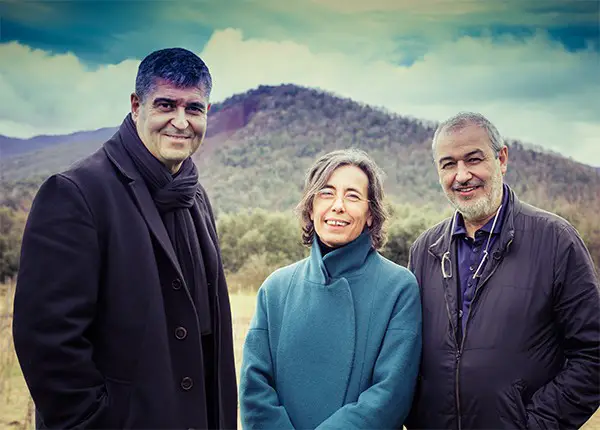
Pritzker Architecture Prize 2017 Laureates
Alejandro Aravena of Chile receives the 2016 Pritzker Architecture Prize
He practices architecture as an artful endeavor in private commissions and in designs for the public realm and epitomizes the revival of a more socially engaged architect.
Pritzker Prize 2016 Winner – Alejandro Aravena, 13 Jan 2016
24 Mar 2014
Pritzker Architecture Prize 2014
Pritzker Prize Winner 2014
Shigeru Ban is the 2014 Pritzker Architecture Prize Laureate
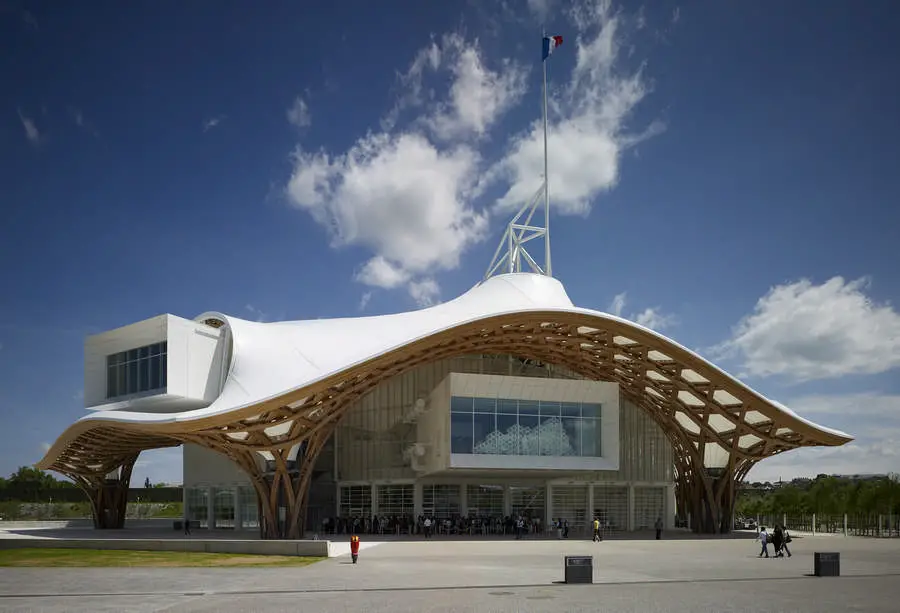
A key building by this architect: Centre Pompidou-Metz, France:
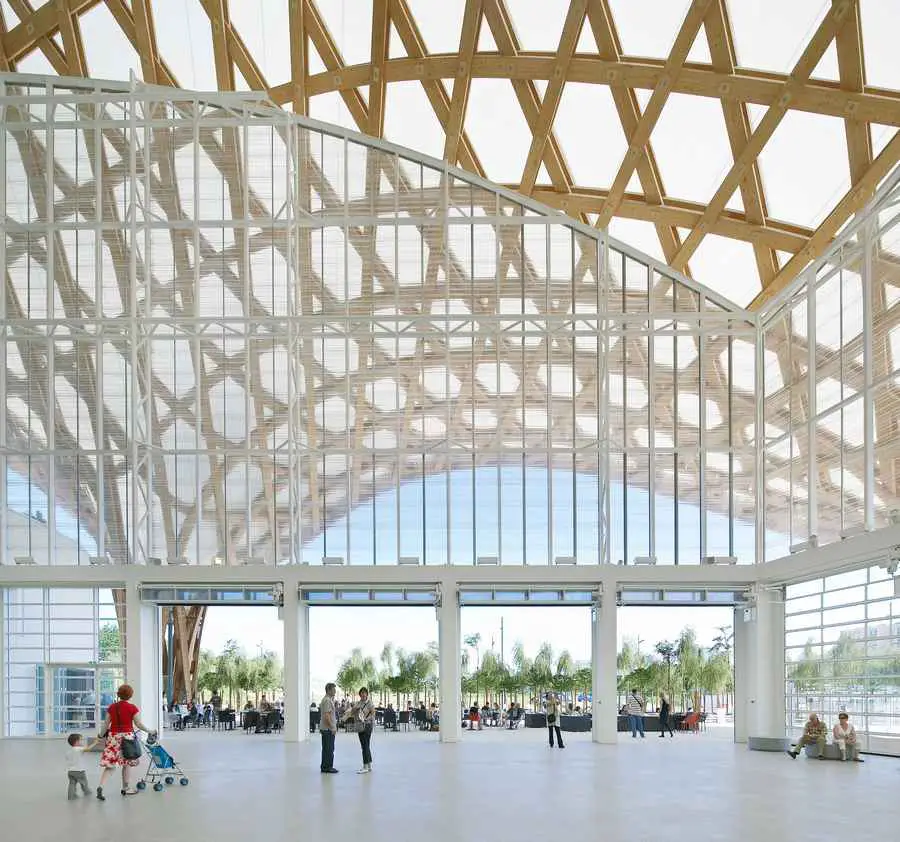
photo : Roland Halbe
Photos are courtesy of Shigeru Ban Architects
Shigeru Ban Pritzker Prize Winner 2014
Shigeru Ban, a Tokyo-born, 56-year-old architect with offices in Tokyo, Paris and New York, is rare in the field of architecture. He designs elegant, innovative work for private clients, and uses the same inventive and resourceful design approach for his extensive humanitarian efforts. For twenty years Ban has traveled to sites of natural and man-made disasters around the world, to work with local citizens, volunteers and students, to design and construct simple, dignified, low-cost, recyclable shelters and community buildings for the disaster victims.
Curtain Wall House, 1995, Tokyo, Japan:
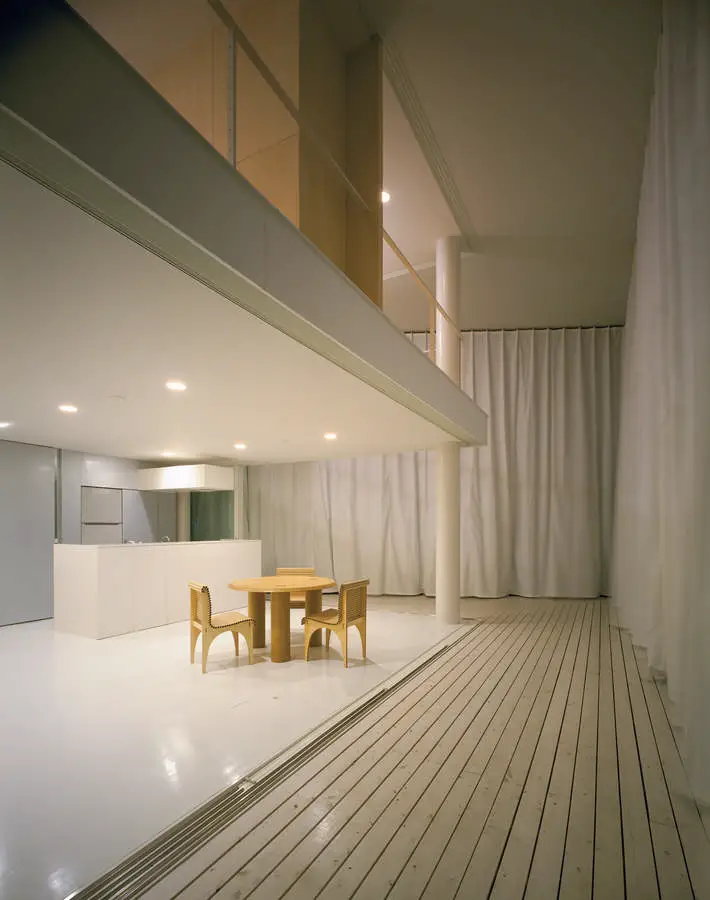
photograph : Hiroyuki Hirai
Reached at his Paris office, Shigeru Ban said, “Receiving this prize is a great honor, and with it, I must be careful. I must continue to listen to the people I work for, in my private residential commissions and in my disaster relief work. I see this prize as encouragement for me to keep doing what I am doing — not to change what I am doing, but to grow.“
Shigeru Ban:
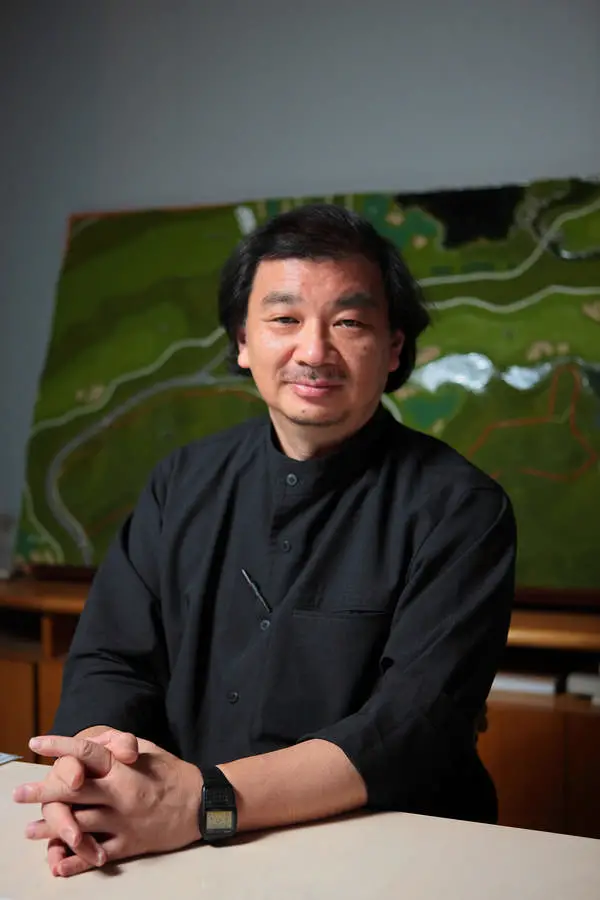
photograph : Shigeru Ban Architects
In all parts of his practice, Ban finds a wide variety of design solutions, often based around structure, materials, view, natural ventilation and light, and a drive to make comfortable places for the people who use them. From private residences and corporate headquarters, to museums, concert halls and other civic buildings, Ban is known for the originality, economy, and ingeniousness of his works, which do not rely on today’s common high-tech solutions.
Metal Shutter House, 2010, New York, USA:
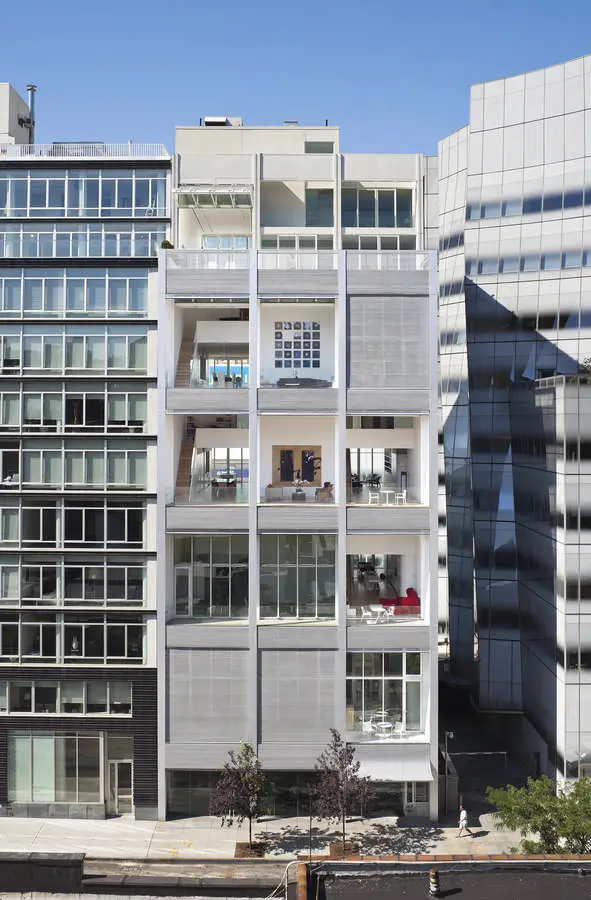
photograph : Michael Moran
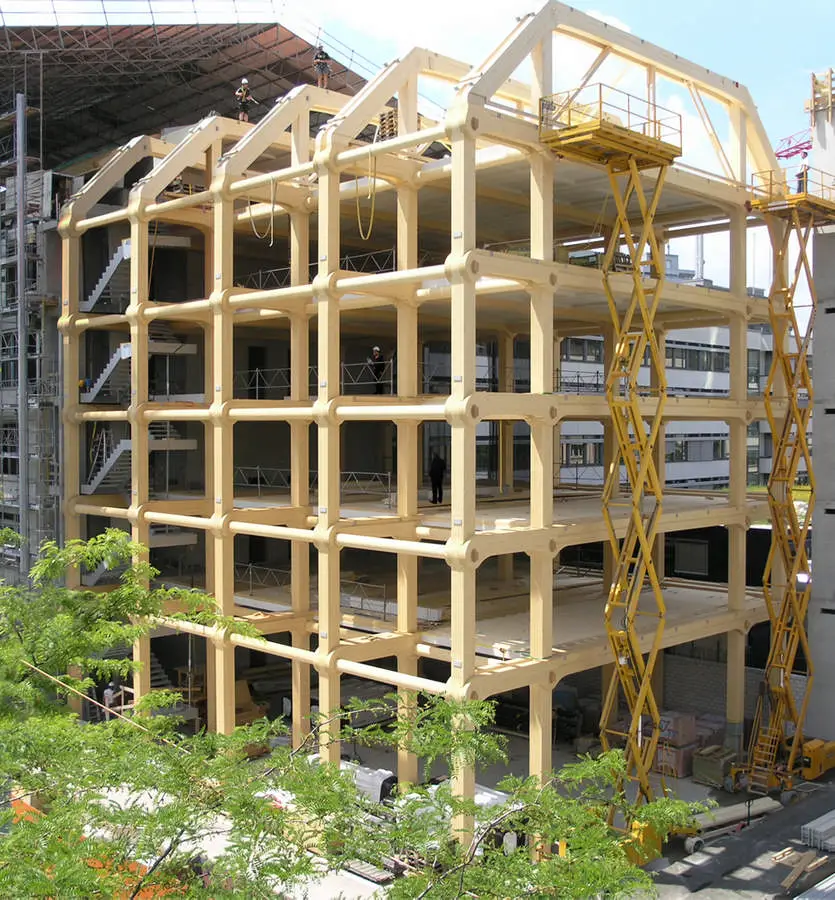
The Swiss media company Tamedia asked Ban to create pleasant spaces for their employees. He responded by designing a seven-story headquarters with the main structural system entirely in timber. The wooden beams interlock, requiring no metal joints.
Cardboard Cathedral, 2013, Christchurch, New Zealand:
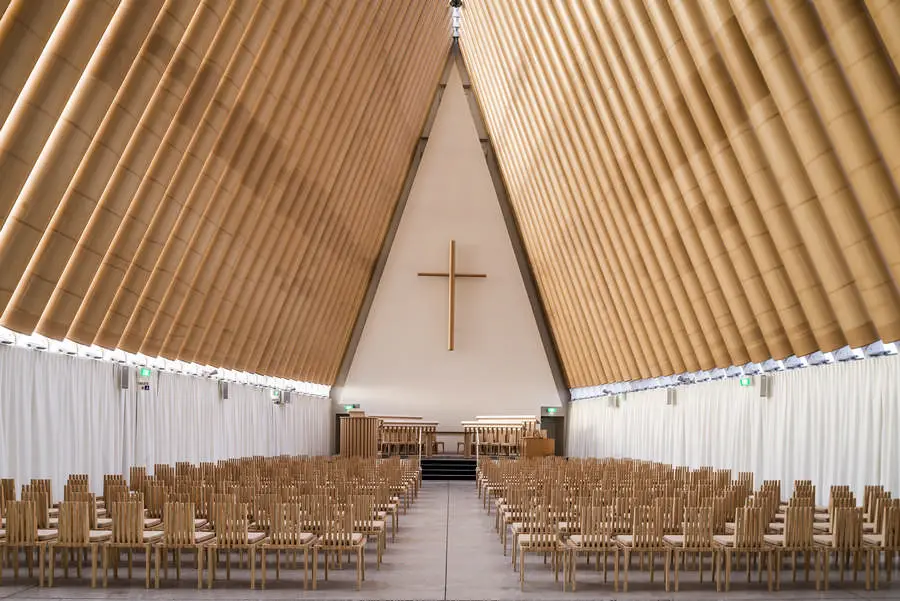
photograph : Stephen Goodenough
For the Centre Pompidou-Metz, in France, Ban designed an airy, undulating latticework of wooden strips to form the roof, which covers the complex museum program underneath and creates an open and accessible public plaza.
PC Pile House, 1992, Shizuoka, Japan:
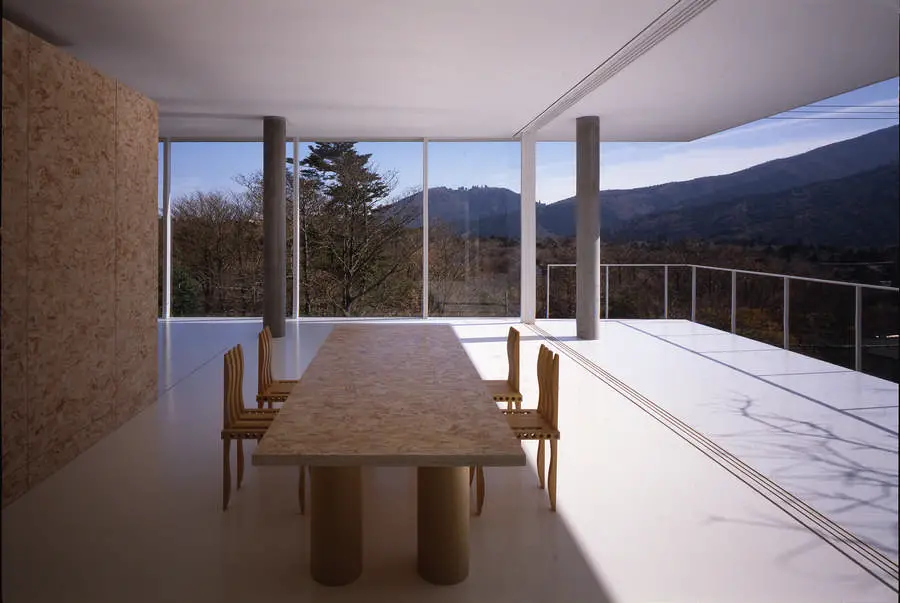
photograph : Hiroyuki Hirai
To construct his disaster relief shelters, Ban often employs recyclable cardboard paper tubes for columns, walls and beams, as they are locally available; inexpensive; easy to transport, mount and dismantle; and they can be water- and fire-proofed, and recycled. He says that his Japanese upbringing helps account for his wish to waste no materials.
Tamedia Building, 2013, Zurich, Switzerland:
photograph : Shigeru Ban Architects Europe
As a boy, Shigeru Ban observed traditional Japanese carpenters working at his parents’ house and to him their tools, the construction, and the smells of wood were magic. He would save cast aside pieces of wood and build small models with them. He wanted to become a carpenter. But at age eleven, his teacher asked the class to design a simple house and Ban’s was displayed in the school as the best. Since then, to be an architect was his dream.
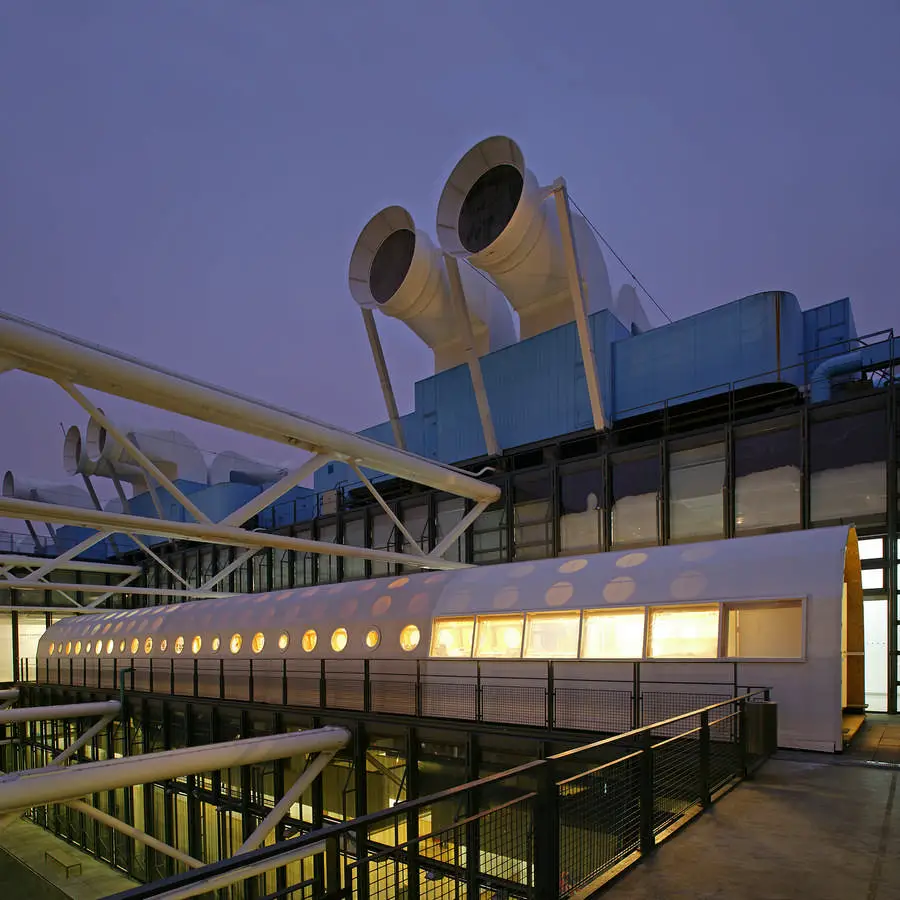
Paper Temporary Studio, 2004, Paris, France:
photograph : Didier Boy dela Tour
Ban’s humanitarian work began in response to the 1994 conflict in Rwanda, which threw millions of people into tragic living conditions. Ban proposed paper-tube shelters to the United Nations High Commissioner for Refugees and they hired him as a consultant. After the 1995 earthquake in Kobe, Japan, he again donated his time and talent. There, Ban developed the “Paper Log House,” for Vietnamese refugees in the area, with donated beer crates filled with sandbags for the foundation, he lined up the paper cardboard tubes vertically, to create the walls of the houses. Ban also designed “Paper Church,” as a community center of paper tubes for the victims of Kobe. It was later disassembled and sent to Taiwan, and reconstructed there, in 2008.
photograph : Didier Boy de la Tour
Ban works with local victims, students, and other volunteers to get these disaster relief projects built. In 1995, he founded a non-governmental organization (NGO) called VAN: Voluntary Architects’ Network. With VAN, following earthquakes, tsunami, hurricanes, and war, he has conducted this work in Japan, Turkey, India, Sri Lanka, China, Haiti, Italy, New Zealand, and currently, the Philippines.
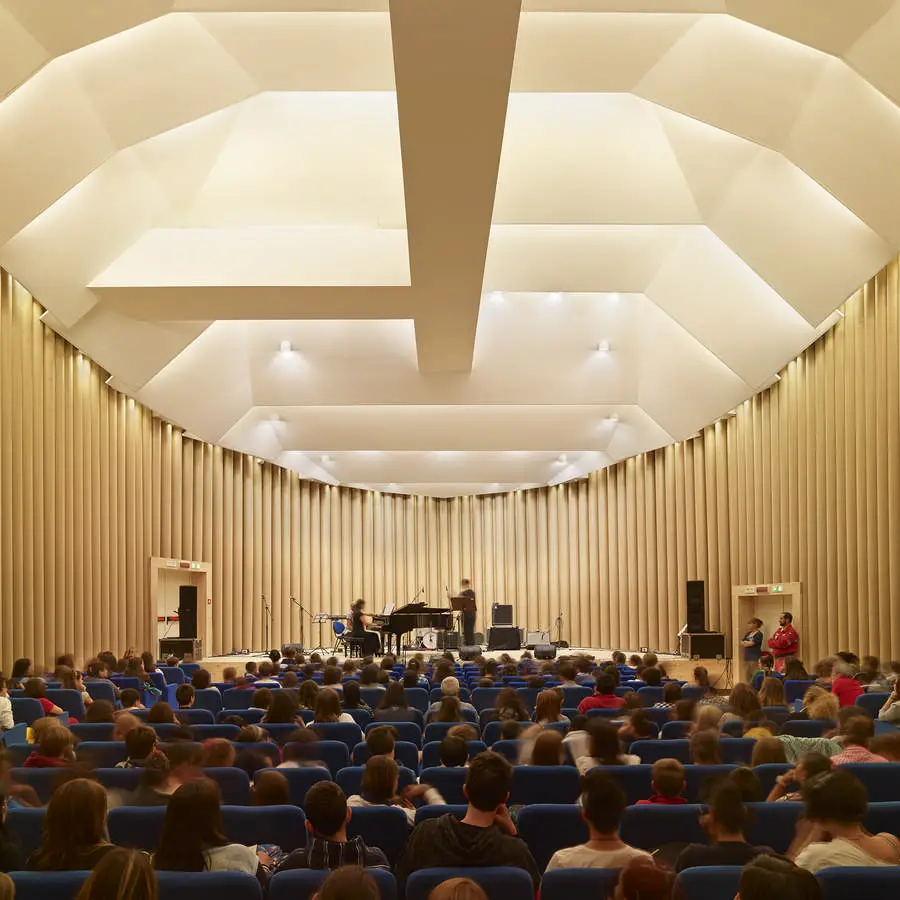
Paper Concert Hall, 2011, L’Aquila, Italy:
photograph : Didier Boy de la Tour
Pritzker Prize jury chairman, The Lord Palumbo, said, “Shigeru Ban is a force of nature, which is entirely appropriate in the light of his voluntary work for the homeless and dispossessed in areas that have been devastated by natural disasters. But he also ticks the several boxes for qualification to the Architectural Pantheon — a profound knowledge of his subject with a particular emphasis on cutting-edge materials and technology; total curiosity and commitment; endless innovation; an infallible eye; an acute sensibility — to name but a few.”
House of Double-Roof, 1993, Yamanashi, Japan:
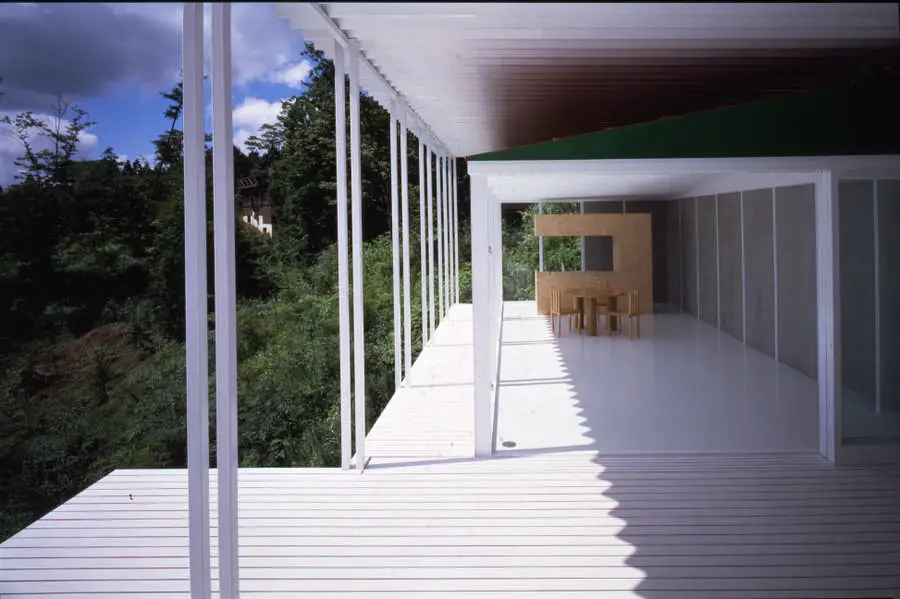
photograph : Hiroyuki Hirai
The citation from the Pritzker Prize jury underscores Ban’s experimental approach to common materials such as paper tubes and shipping containers, his structural innovations, and creative use of unconventional materials such as bamboo, fabric, paper, and composites of recycled paper fiber and plastics.
Naked House, 2000, Saitama, Japan:
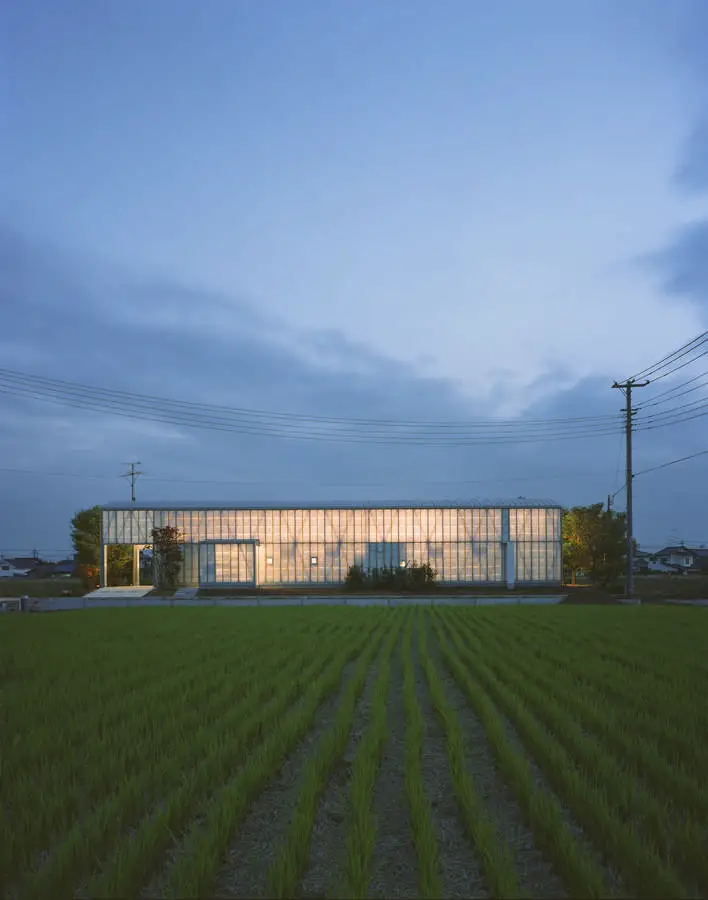
photograph : Hiroyuki Hirai
The jury cites Naked House (2000) in Saitama, Japan, in which Ban clad the external walls in clear corrugated plastic and sections of white acrylic stretched internally across a timber frame. The layering of translucent panels evokes the glowing light of shoji screens. The client asked for no family member to be secluded, so the house consists of one unique large space, two-stories high, in which four personal rooms on casters can be moved about freely.
Nicolas G. Hayek Center, 2007, Tokyo, Japan:
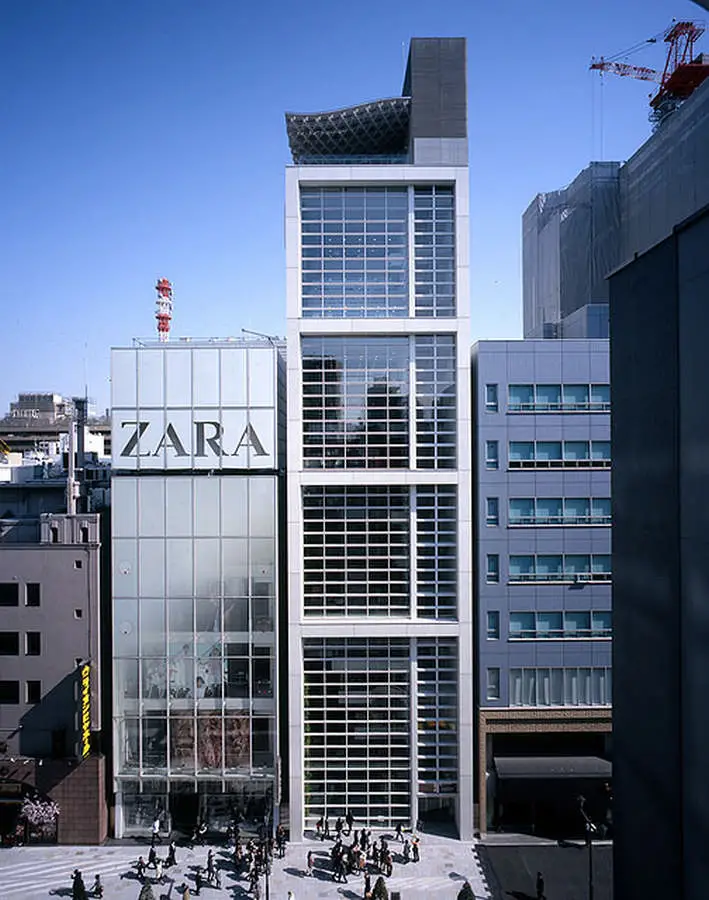
photograph : Hiroyuki Hirai
In Curtain Wall House (1995) in Tokyo, two-story-high white curtains along the perimeter of the house can be opened to let the outside flow in or closed to provide a cocoon-like setting. The 14-story Nicolas G. Hayek Center (2007) in Tokyo features tall glass shutters on the front and back facades that can be fully opened.
Haesley Nine Bridges Golf Club House, 2010, Korea:
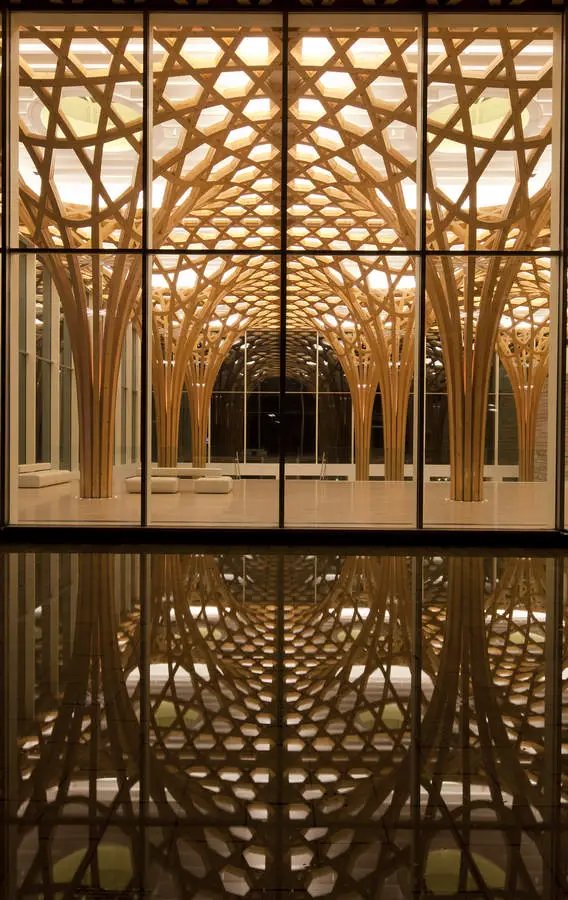
photograph : Hiroyuki Hirai
Ban used transportation containers as ready-made elements to construct the Nomadic Museum (New York, 2005; Santa Monica, California, 2006; Tokyo, 2007). His design for the Aspen Art Museum is slated to open in August 2014.
Nicolas G. Hayek Center, 2007, Tokyo, Japan:
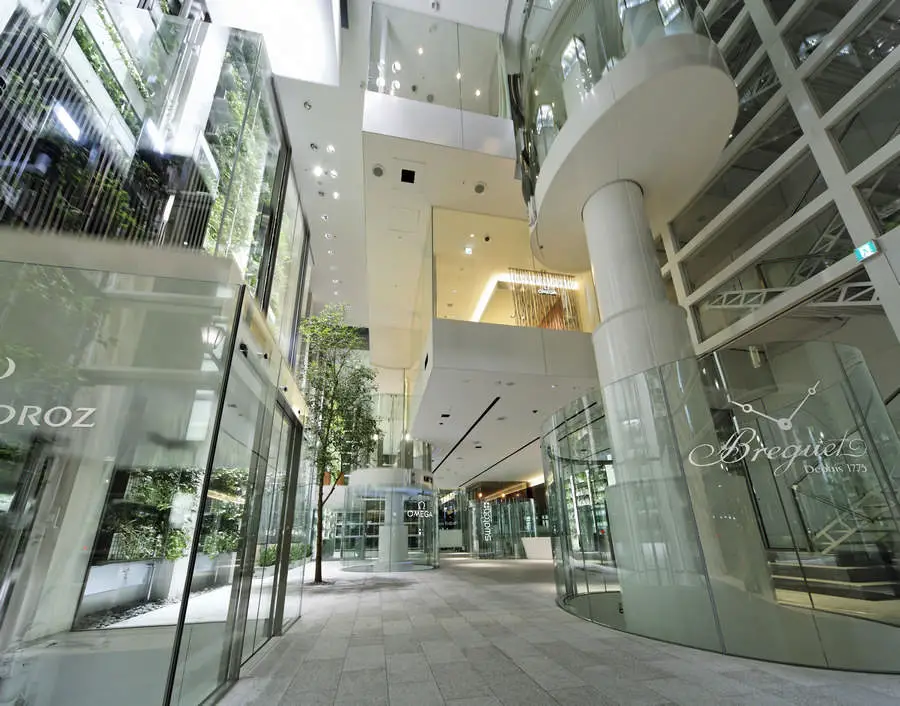
photograph : The Swatch Group
His architecture is often called “sustainable,” and environmentally friendly, but he says, “When I started working this way, almost thirty years ago, nobody was talking about the environment. But this way of working came naturally to me. I was always interested in low cost, local, reusable materials.”
Nine-Square Grid House, 1997, Kanagawa, Japan:
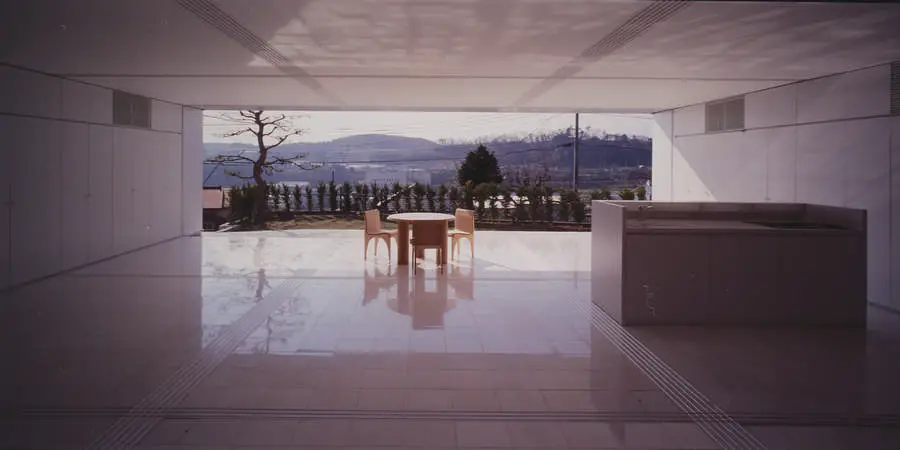
photograph : Hiroyuki Hirai
Shigeru Ban served as a member of the Pritzker Architecture Prize jury from 2006 to 2009. He lectures and teaches at architecture schools around the world and is currently a professor at Kyoto University of Art and Design.
Container Temporary Housing, 2011, Onagawa, Miyagi, Japan:
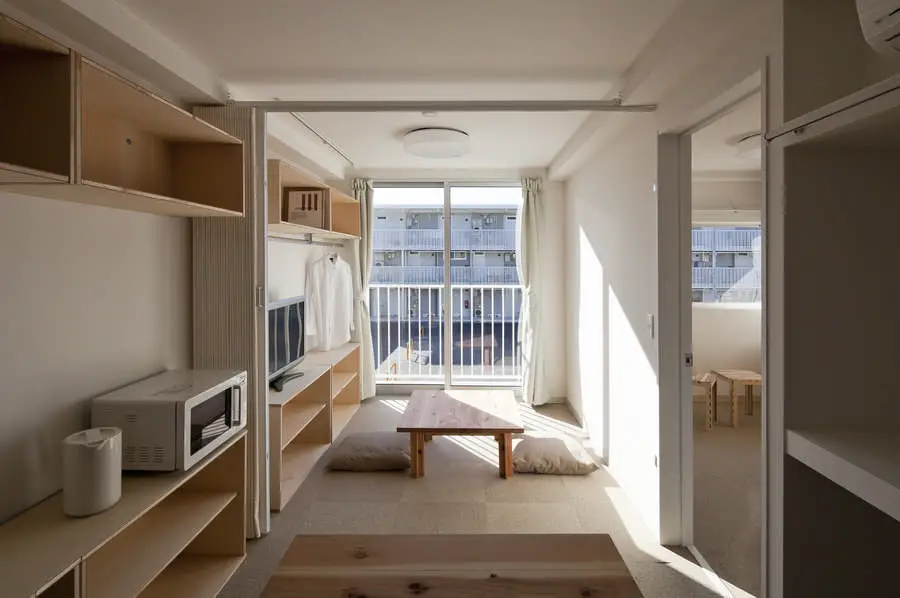
photograph : Hiroyuki Hirai
Paper Church, 1995, Kobe, Japan:
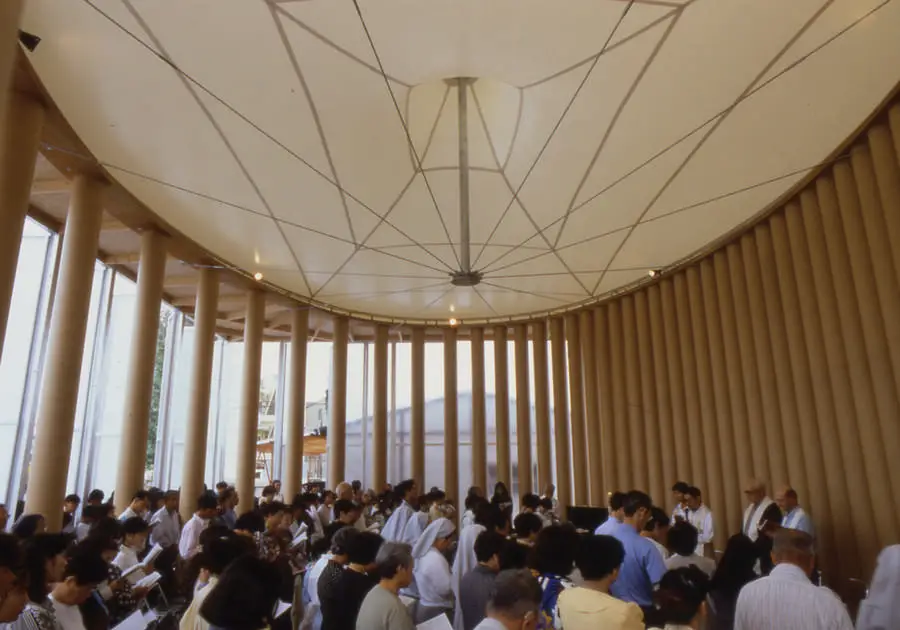
photograph : Hiroyuki Hirai
Ban attended architecture school first at the Southern California Institute of Architecture (then based in Santa Monica, California), and earned his bachelor’s degree in architecture from Cooper Union in New York City in 1984.
Furniture House 1, 1995, Yamanashi, Japan:
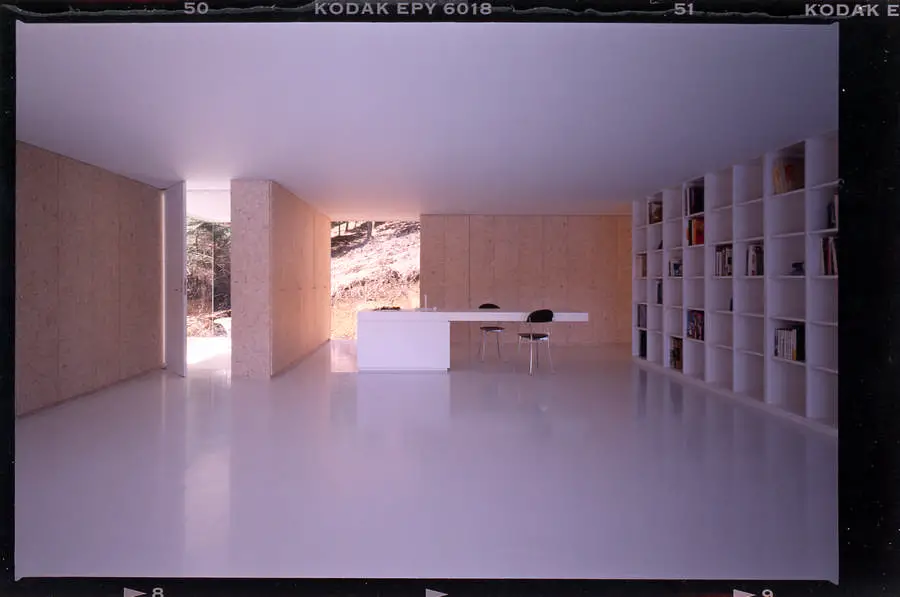
photograph : Hiroyuki Hirai
Shigeru Ban will be the seventh Japanese architect to become a Pritzker Laureate — the first six being the late Kenzo Tange in 1987, Fumihiko Maki in 1993, Tadao Ando in 1995, the team of Kazuyo Sejima and Ryue Nishizawa in 2010, and Toyo Ito in 2013.
Wall-Less House, 1997, Nagano, Japan:
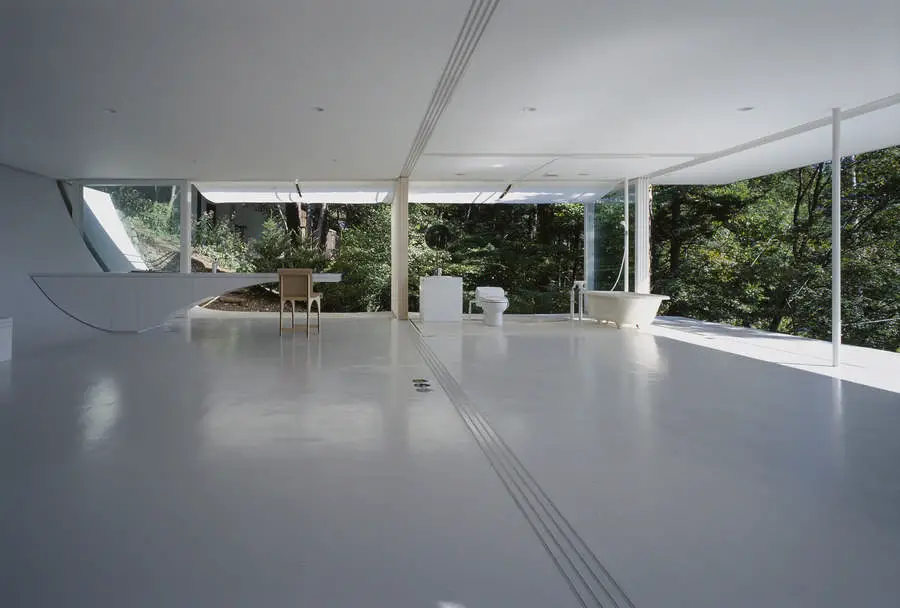
photograph : Hiroyuki Hirai
The award ceremony will take place on June 13, 2014, at the Rijksmuseum in Amsterdam, The Netherlands. The Pritzker Prize ceremony is held each year at a culturally or historically significant venue around the world. This marks the first time the ceremony will be in the Netherlands. The ceremony will be streamed live on PritzkerPrize.com, the website of the Pritzker Architecture Prize.
Hualin Temporary Elementary School, 2008, Chengdu, China:

photograph : Voluntary Architects’ Network
Kirinda House, 2007, Kirinda, Sri Lanka:
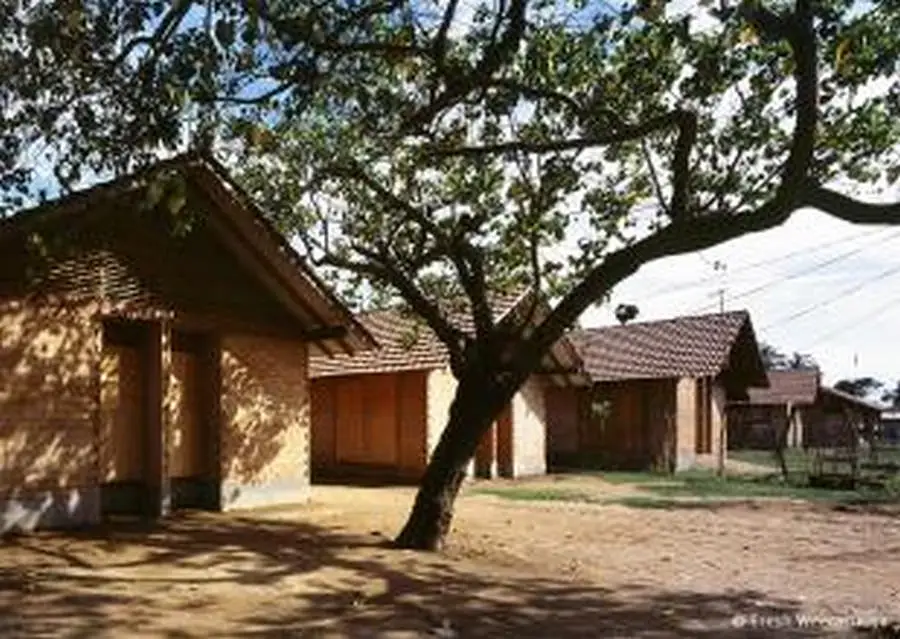
photograph : Eresh Weerasuriya
The distinguished jury that selected the 2014 Pritzker Laureate consists of its chairman, The Lord Palumbo, internationally known architectural patron of London, Chairman Emeritus of the Trustees, Serpentine Galleries, former Chairman of the Arts Council of Great Britain, former Chairman of the Tate Gallery Foundation; and alphabetically: Alejandro Aravena, architect and Executive Director of Elemental in Santiago, Chile; Stephen Breyer, U.S. Supreme Court Justice, Washington, D.C.; Yung Ho Chang, architect and educator, Beijing, The People’s Republic of China; Kristin Feireiss, architecture curator, writer, and editor, Berlin, Germany; Glenn Murcutt, architect and 2002 Pritzker Laureate, Sydney, Australia; Juhani Pallasmaa, architect, professor and author, Helsinki, Finland; and Ratan N. Tata, Chairman Emeritus of Tata Sons, the holding company of the Tata Group, Mumbai, India. Martha Thorne, Associate Dean for External relations, IE School of Architecture & Design, Madrid, Spain, is the Executive Director of the prize.
Paper Concert Hall, 2011, L’Aquila, Italy:
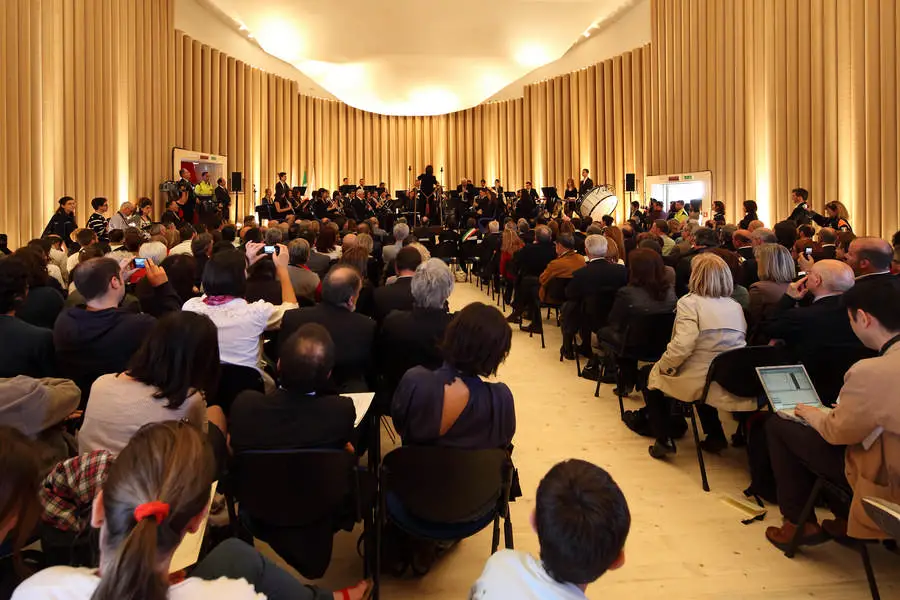
photograph : Fabio Mantovani
Paper Refugee Shelters for Rwanda, 1999, Byumba Refugee Camp, Rwanda:
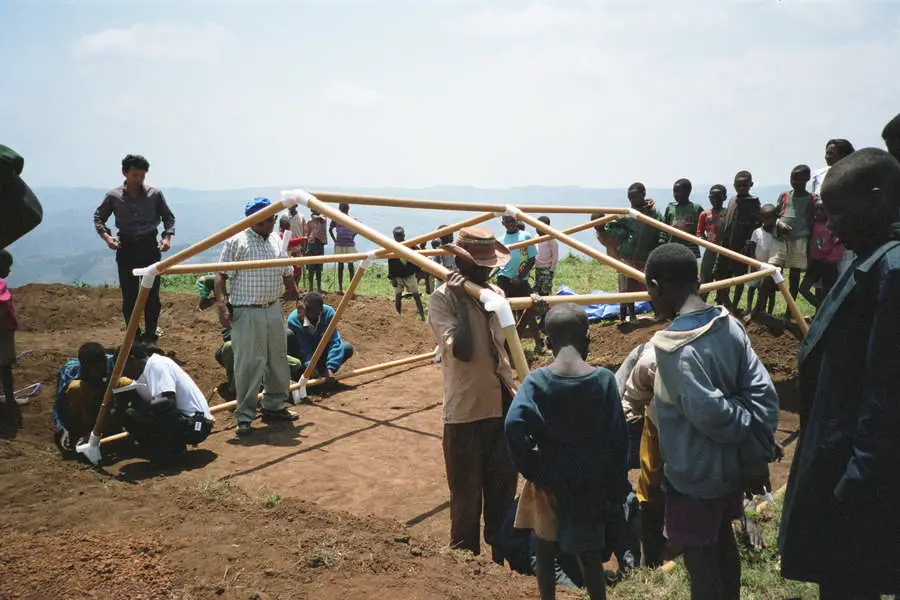
photograph : Shigeru Ban Architects
Paper Log House, 1995, Kobe, Japan:
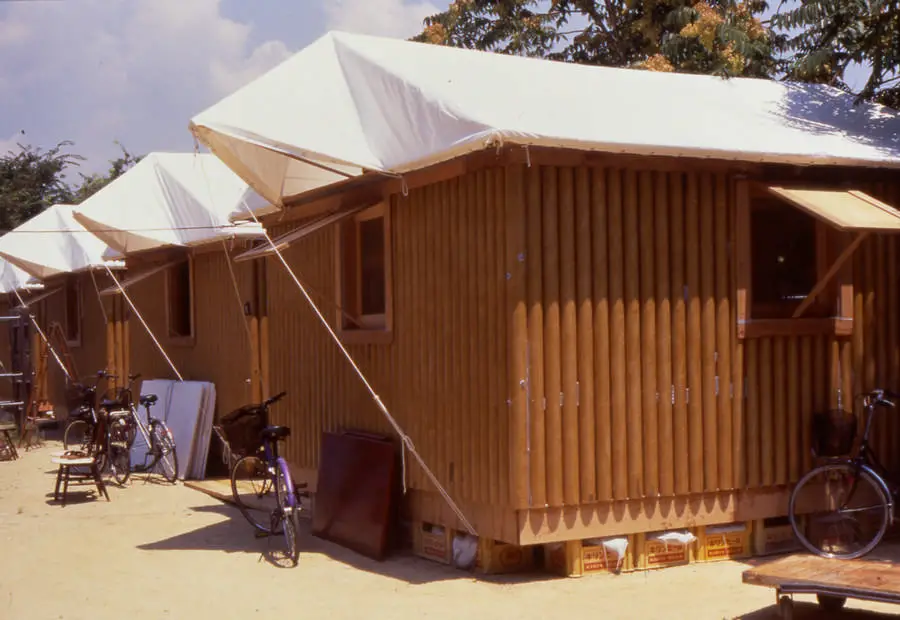
photograph : Takanobu Sakuma
The Pritzker Architecture Prize was founded in 1979 by the late Jay A. Pritzker and his wife, Cindy. Its purpose is to honor annually a living architect whose built work demonstrates a combination of those qualities of talent, vision and commitment, which has produced consistent and significant contributions to humanity and the built environment through the art of architecture. The laureates receive a $100,000 grant and a bronze medallion.
Paper Emergency Shelter for Haiti, 2010, Port-au-Prince, Haiti:

photograph : Shigeru Ban Architects
In announcing this year’s laureate, Tom Pritzker said, “Shigeru Ban’s commitment to humanitarian causes through his disaster relief work is an example for all. Innovation is not limited by building type and compassion is not limited by budget. Shigeru has made our world a better place.”
Japan Pavilion, Expo 2000 Hannover, 2000, Germany:
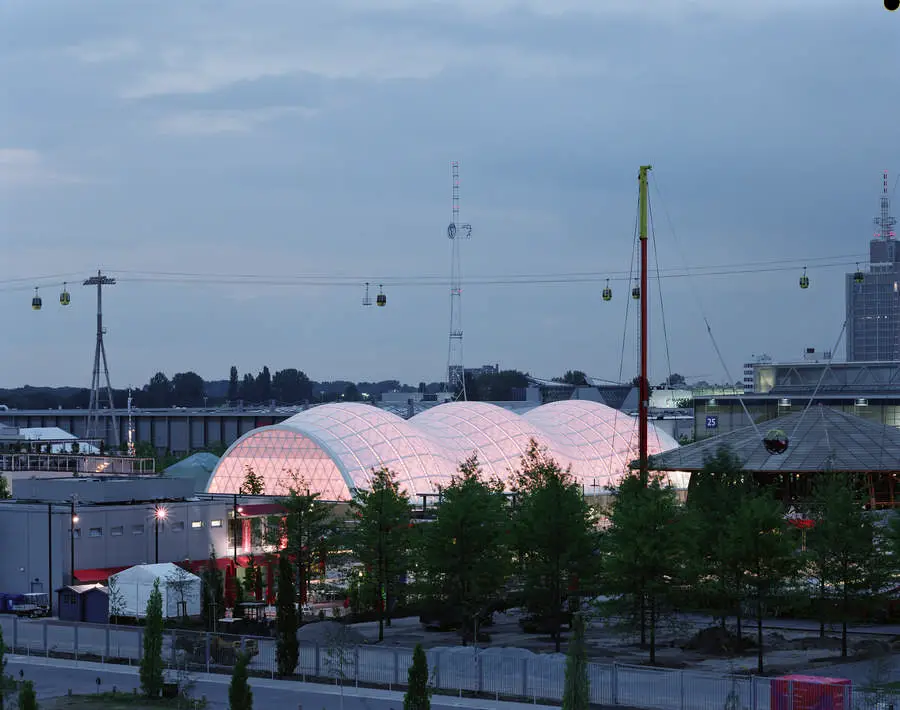
photograph : Hiroyuki Hirai
Jury
The independent jury of experts ranges from five to nine members. Jury members serve for multiple years to assure a balance between past and new members and are entrusted with selecting the laureate each year. No members of the Pritzker family or outside observers are present during jury deliberations which usually take place during the first months of the calendar year. The jury members are recognized professionals in their own fields of architecture, business, education, publishing, and culture.
Paper Partition System 4, 2011, Japan:
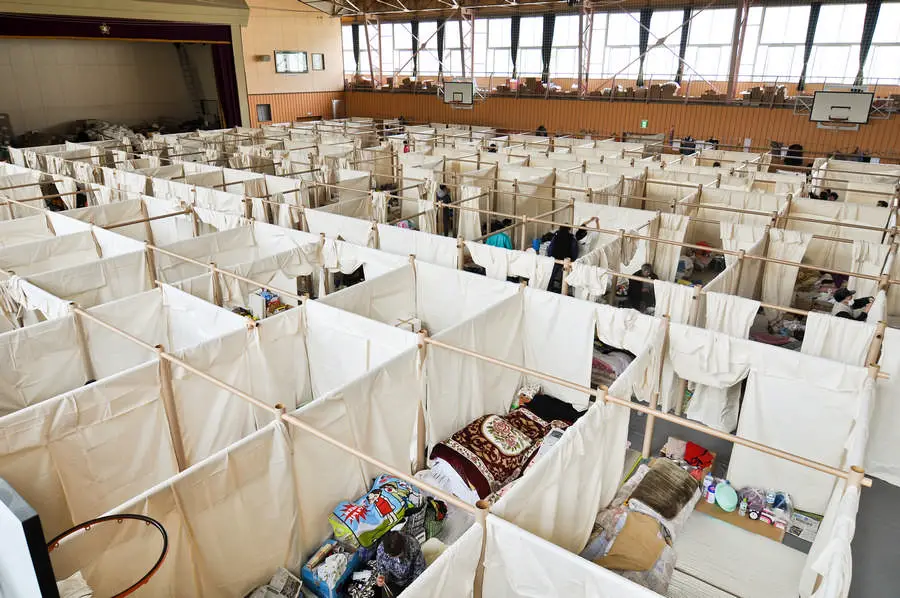
photograph : Voluntary Architects’ Network
2013 Jury Members
Lord Peter Palumbo, 2005-present (Chair)
Alejandro Aravena, 2009-present
Stephen Breyer, 2012-present
Yung Ho Chang, 2012-present
Kristin Feireiss, 2013-present
Glenn Murcutt, 2010-present
Juhani Pallasmaa, 2009-present
Ratan N. Tata, 2013-present
Martha Thorne, 2005-present (Executive Director)
Paper Log House, 2000, Turkey:

photograph : Shigeru Ban Architects
17+ 18 Mar 2013
Pritzker Architecture Prize 2013
Pritzker Prize Winner 2013
The 2013 Pritzker Architecture Prize winner is Toyo Ito of Japan
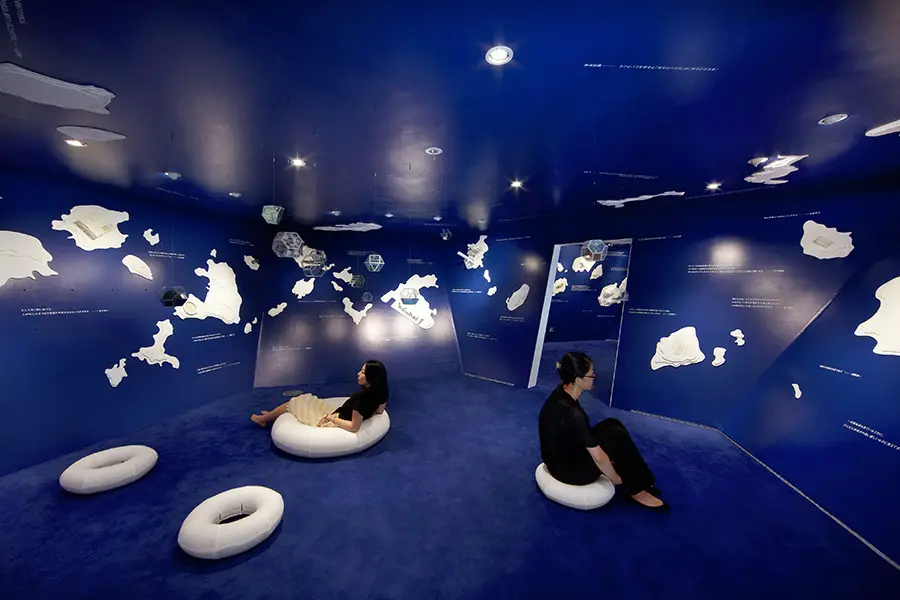
Los Angeles, CA—Toyo Ito, a 71 year old architect whose architectural practice is based in Tokyo, Japan, will be the recipient of the 2013 Pritzker Architecture Prize, it was announced today by Thomas J. Pritzker, chairman of The Hyatt Foundation which sponsors the prize. Ito is the sixth Japanese architect to become a Pritzker Laureate — the first five being the late Kenzo Tange in 1987, Fumihiko Maki in 1993, Tadao Ando in 1995, and the team of Kazuyo Sejima and Ryue Nishizawa in 2010.
Toyo Ito architect:
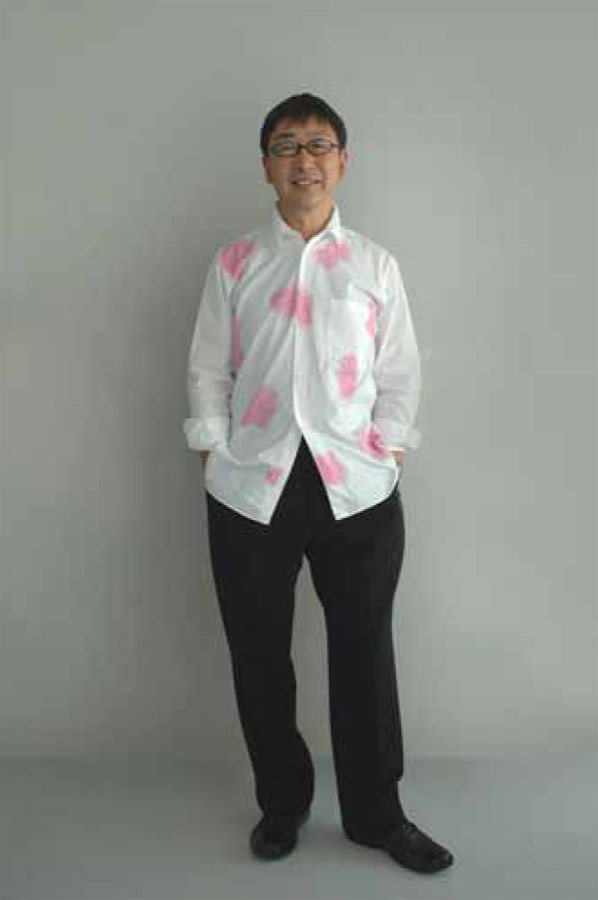
photo courtesy of Toyo Ito & Associates, Architects
The formal ceremony for what has come to be known throughout the world as architecture’s highest honor will be at the John F. Kennedy Presidential Library and Museum in Boston, Massachusetts on Wednesday, May 29. This marks the first time the ceremony has been held in Boston, and the location has particular significance since it was designed by another Pritzker Laureate, Ieoh Ming Pei who received the prize in 1983.
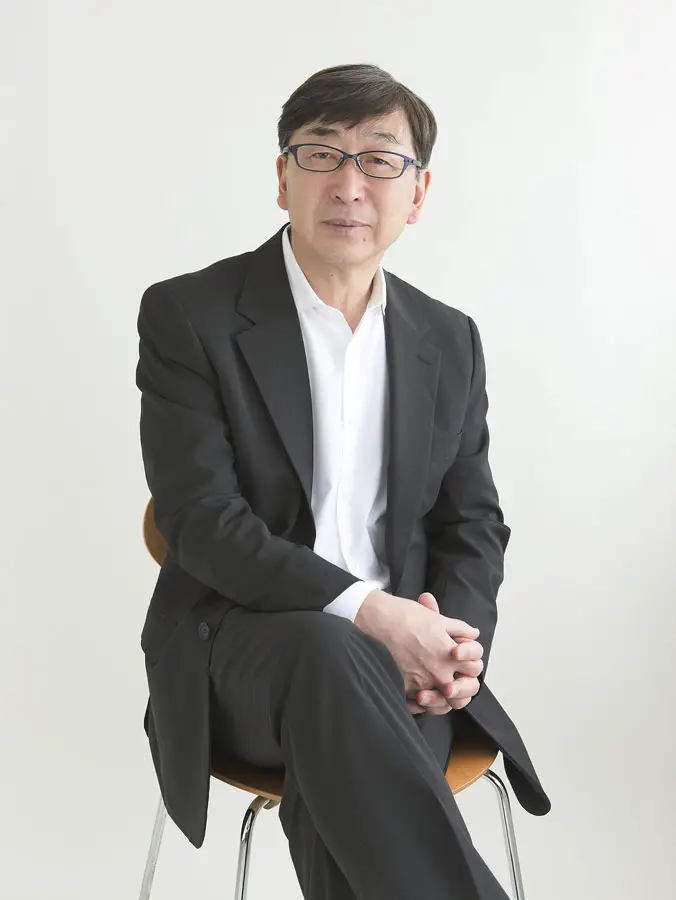
photo : Yoshiaki Tsutsui
In making the announcement, Pritzker elaborated, “We are particularly pleased to be holding our ceremony at the Kennedy Library, and it is even more significant because the date is John F. Kennedy’s birthday.”
Pritzker Prize Citation 2013 – Toyo Ito
The purpose of the Pritzker Architecture Prize, which was founded in 1979 by the late Jay A. Pritzker and his wife, Cindy, is to honor annually a living architect whose built work demonstrates a combination of those qualities of talent, vision and commitment, which has produced consistent and significant contributions to humanity and the built environment through the art of architecture. The laureates receive a $100,000 grant and a bronze medallion.
Pritzker Prize jury chairman, The Lord Palumbo, spoke from his home in the United Kingdom, quoting from the jury citation that focuses on the reasons for this year’s choice: “Throughout his career, Toyo Ito has been able to produce a body of work that combines conceptual innovation with superbly executed buildings. Creating outstanding architecture for more than 40 years, he has successfully undertaken libraries, houses, parks, theaters, shops, office buildings and pavilions, each time seeking to extend the possibilities of architecture. A professional of unique talent, he is dedicated to the process of discovery that comes from seeing the opportunities that lie in each commission and each site.”
Pritzker Architecture Prize – Past Winners
Pritzker Prize 2012 won by architect Wang Shu

photos from ceremony
Pritzker Prize 2012 winner : Wang Shu
Pritzker Prize 2011 won by architect Eduardo Souto de Moura
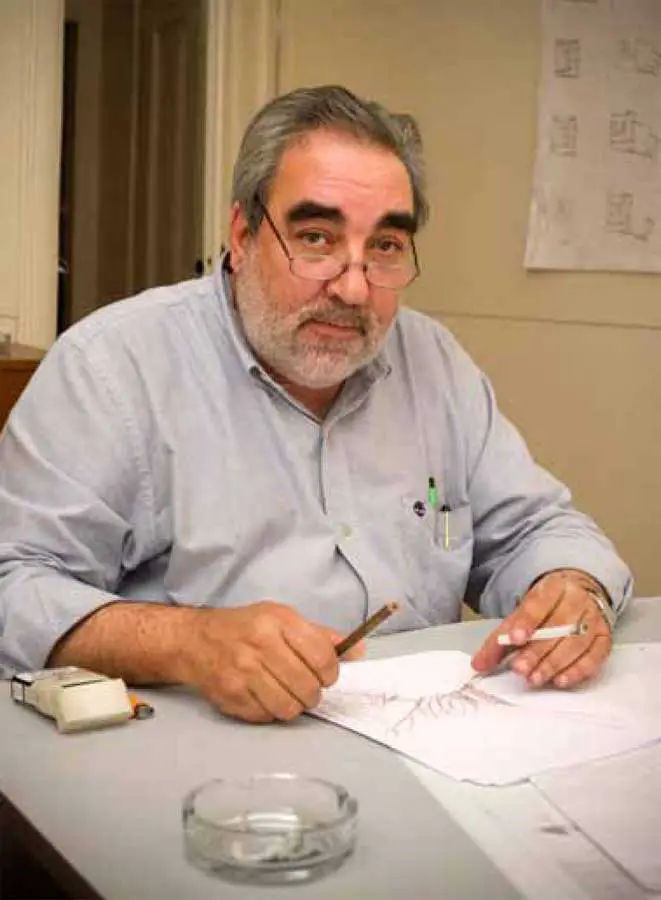
photo : Augusto Brázio
Pritzker Prize 2010 winner : Eduardo Souto de Moura
Pritzker Prize 2010 won by architects SANAA
Pritzker Prize Winner 2010 : SANAA
Pritzker Prize 2009 won by architect Peter Zumthor
Pritzker Prize Winner 2009 : Peter Zumthor
Pritzker Architecture Prize Laureate
Pritzker Prize, Winners through the Years
1979
Philip Johnson of the United States of America
presented at Dumbarton Oaks, Washington, D.C.
1980
Luis Barragán of Mexico
presented at Dumbarton Oaks, Washington, D.C.
1981
James Stirling of the United Kingdom
presented at the National Building Museum,
Washington, D.C.
1982
Kevin Roche of the United States of America
presented at The Art Institute of Chicago, Illinois
1983
Ieoh Ming Pei of the United States of America
presented at The Metropolitan Museum of Art,
New York, New York
1984
Richard Meier of the United States of America
presented at the National Gallery of Art, Washington, D.C.
1985
Hans Hollein of Austria
presented at the Huntington Library, Art Collections and Botanical
Gardens, San Marino, California
1986
Gottfried Böhm of Germany
presented at Goldsmiths’ Hall, London, United Kingdom
1987
Kenzo Tange of Japan
presented at the Kimbell Art Museum, Fort Worth, Texas
1988
Gordon Bunshaft of the United States of America
and
Oscar Niemeyer of Brazil
presented at The Art Institute of Chicago, Illinois
1989
Frank O. Gehry of the United States of America
presented at the Todai-ji Buddhist Temple, Nara, Japan
1990
Aldo Rossi of Italy
presented at Palazzo Grassi, Venice, Italy
1991
Robert Venturi of the United States of America
presented at Palacio de Iturbide, Mexico City, Mexico
1992
Alvaro Siza of Portugal
presented at the Harold Washington Library Center, Chicago, Illinois
1993
Fumihiko Maki of Japan
presented at Prague Castle, Czech Republic
1994
Christian de Portzamparc of France
presented at The Commons, Columbus, Indiana
1995
Tadao Ando of Japan
presented at the Grand Trianon and the Palace of Versailles, France
1996
Rafael Moneo of Spain
presented at the construction site of The Getty Center, Los Angeles, Calfiornia
1997
Sverre Fehn of Norway
presented at the construction site of The Guggenheim Museum, Bilbao, Spain
1998
Renzo Piano of Italy
presented at the White House, Washington, D.C.
1999
Sir Norman Foster (Lord Foster) of the United Kingdom
presented at the Altes Museum, Berlin, Germany
2000
Rem Koolhaas of The Netherlands
presented at the The Jerusalem Archaeological Park, Israel
2001
Jacques Herzog and Pierre de Meuron of Switzerland
presented at Thomas Jefferson’s Monticello, Charlottesville, Virginia
2002
Glenn Murcutt of Australia
presented at Michelangelo’s Campidoglio in Rome, Italy
2003
Jørn Utzon of Denmark
presented at Royal Academy of Fine Arts of San Fernando, Madrid, Spain
2004
Zaha Hadid of the United Kingdom
presented in the State Hermitage Museum, St. Petersburg, Russia
2005
Thom Mayne of the United States of America
presented at the Jay Pritzker Pavilion, Millennium Park
Chicago, Illinois
2006
Paulo Mendes da Rocha of Brazil
presented at the Dolmabahçe Palace
Istanbul, Turkey
2007
Richard Rogers of the United Kingdom
presented at the Banqueting House, Whitehall Palace
London, United Kingdom
2008
Jean Nouvel of France
presented at the Library of Congress
Washington, D.C.
2009
Peter Zumthor of Switzerland
presented at the The Legislature Palace of the Buenos Aires City Council
Buenos Aires, Argentina
Pritzker Prize information from The Pritzker Prize
Location: Los Angeles, CA, USA
Pritzker Architecture Prize Information
Pritzker Prize Architects : main page with current winner information
Pritzker Prize 2011 Citation + The Jury + Eduardo Souto de Moura information
SANAA, architects – Pritzker Prize Winner 2010
Zaha Hadid : Pritzker Architecture Prize Jury member
Pritzker Architecture Prize Laureate 2010 : Citation from the Jury + The Jury
Key Architecture Awards
World Architecture Festival Awards
AR Awards for Emerging Architecture
Comments / photos for the Pritzker Architecture Prize Laureate – page welcome
