
Zaragoza Bridge Images, Architect, ZHA Architecture in Spain, Photo, Gateway Design News
Zaragoza Bridge by Zaha Hadid
Spanish architecture project design by Zaha Hadid Architects
2 May 2008
Zaragoza Bridge
Renderings courtesy of Zaha Hadid Architects
Architecture Competition winner
2005-08
PROGRAM: Interactive exhibition area focusing on water sustainability, integrating a pedestrian bridge to perform as gateway for the Zaragoza Expo 2008.
CLIENT: Expoagua Zaragoza 2008
ARCHITECTS: Design Zaha Hadid with Patrik Schumacher
Project Architect Manuela Gatto
Project team Matthias Baer, Soohyun Chang, Federico Dunkelberg,
Fabian Hecker, Maria Jose’ Mendoza, José Maria Monfa,
Marta Rodriguez, Diego Rosales, Guillermo Ruiz, Lucio
Santos, Marcela Spadaro, Anat Stern
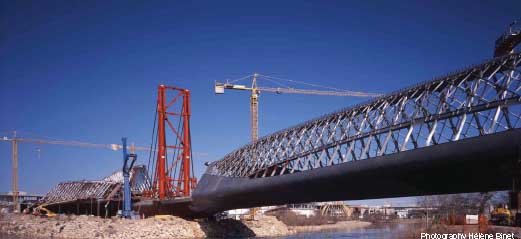
Small Photographs © Helen Binet, from Zaha Hadid Architects:
CONSULTANTS: Engineers ARUP Associates
Cost Consultants ARUP Associates / IDOM
Artists Golan Levin and Zach Liebermann, Christian Moeller
SIZE: Total Surface 6415 m²
Exhibition Surface 3915 m²
Pedestrian Bridge 2500 m²
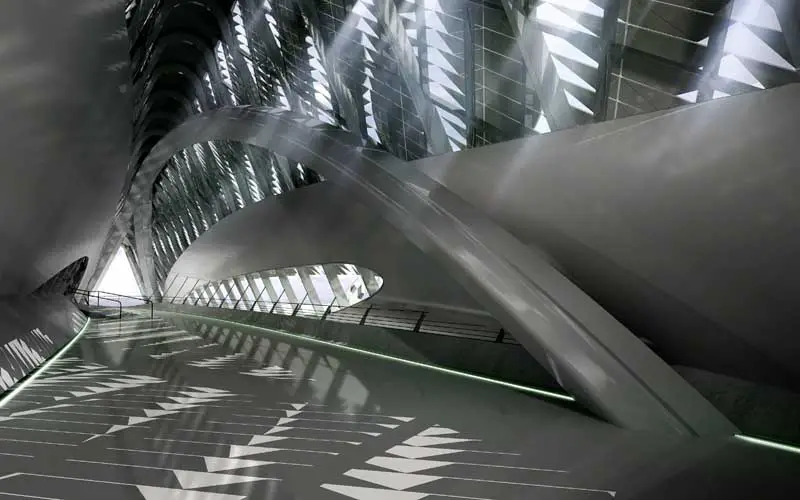
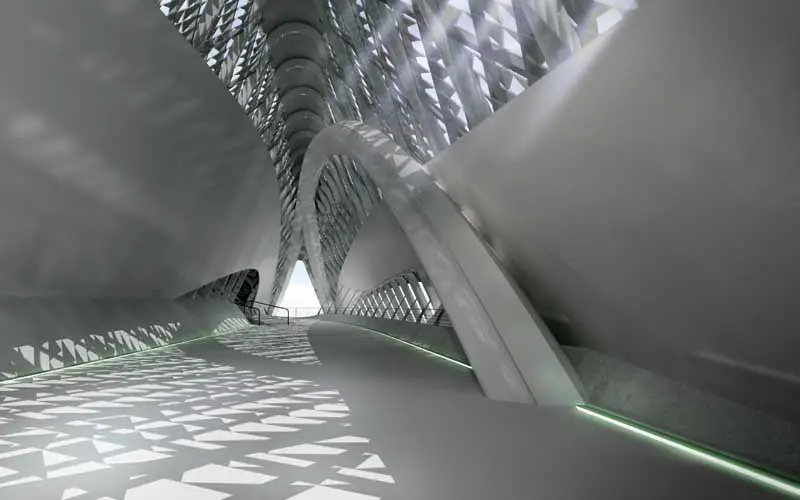
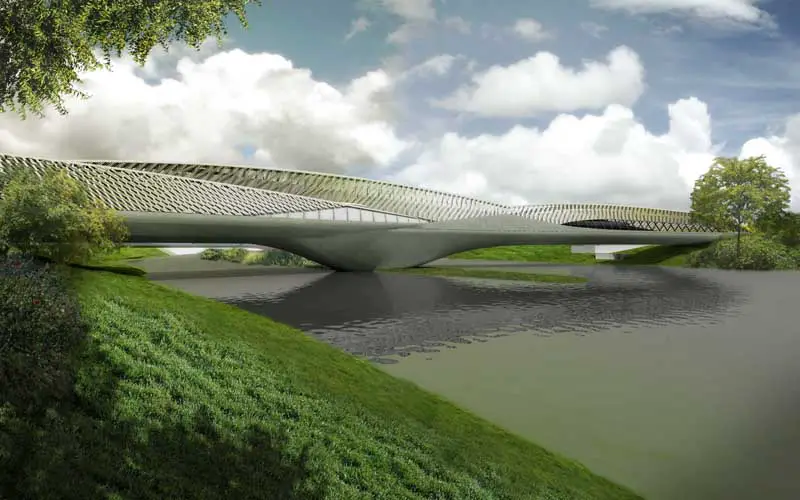
Zaha Hadid Architects’ proposal for the Bridge Pavilion is organized around 4 main sections, or “pods” that perform both as structural elements and as spatial enclosures. Floors inside them are located at the Expo principal levels: +201.5 (the soffit of the bridge is at +200 m, flood protection minimum level), +203 m and +206, +207.5 for the upper level. The development of our design for the bridge pavilion stems from the examination of the potential of a diamond-shaped section.
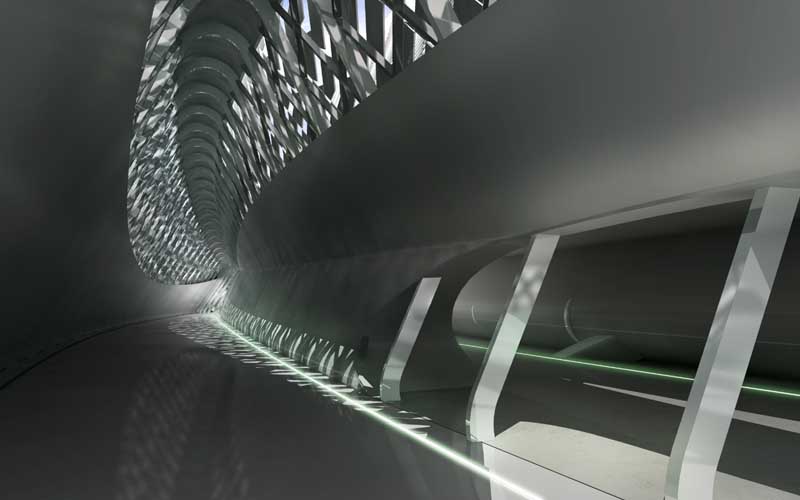
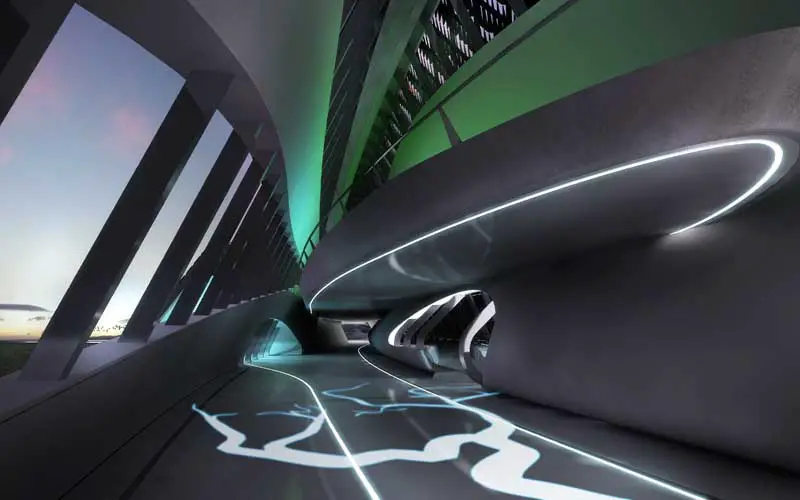
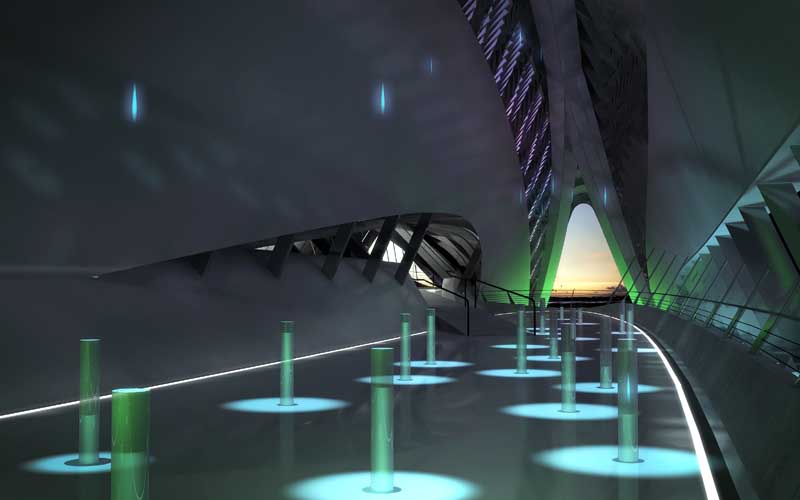
The diamond section works on several levels:
As employed in the case of space-frame structures, it represents a rational way of distributing forces along a surface. Underneath this floor plate, a resulting triangular pocket space can be used to run utilities. The diamond section has been continued along a slightly curved path, and the extrusion of this rhombus section along different paths generates four different “pods”.
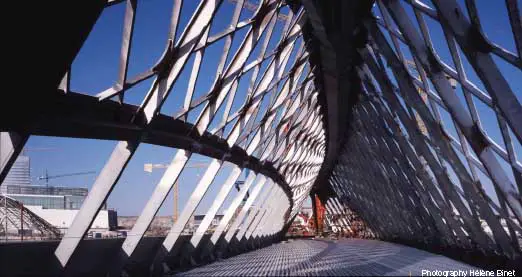
The stacking and interlocking of these truss elements, or “pods” is designed for two specific reasons: – it optimises the structural system and allows for a natural differentiation of the pavilion interiors, where each pod cor responds to a specific exhibition space -the trusses/pods intersect bracing each other and allowing loads to be distributed across the four instead of a singular main element. This results in reducing the impact on load-bearing members.
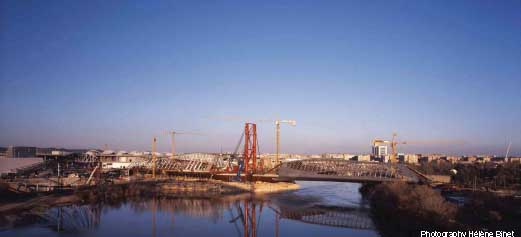
The pods are stacked according to precise criteria, aimed at reducing the section of the bridge as much as possible where the span is longer (approximately 185 m from river island to right bank), and enlarging it where the bridge needs to span less (85 m from river island to Expo side). One long pod spans from the right riverbank to the island, where the other three are grafted in it, spanning from island to left bank.
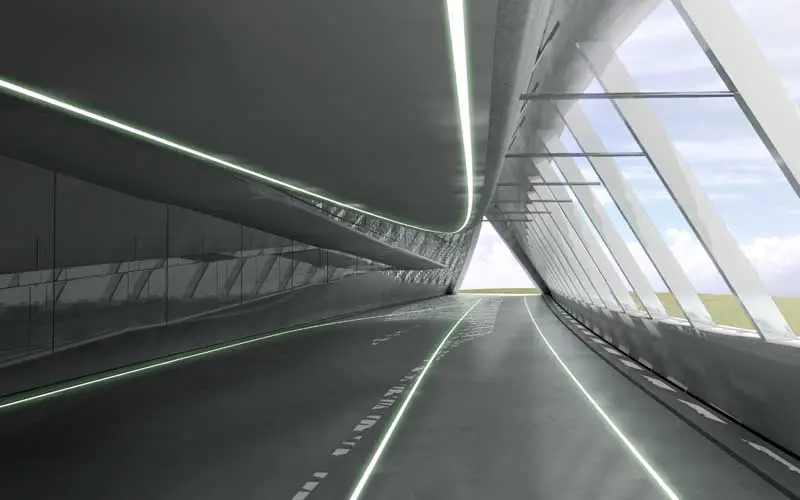
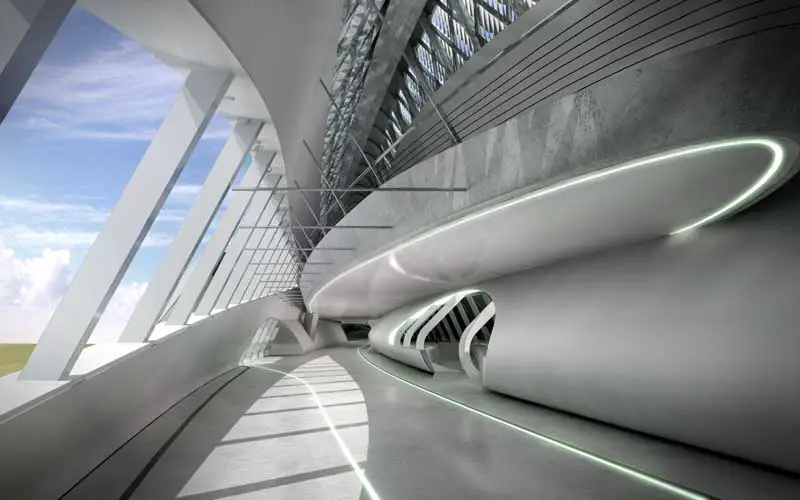
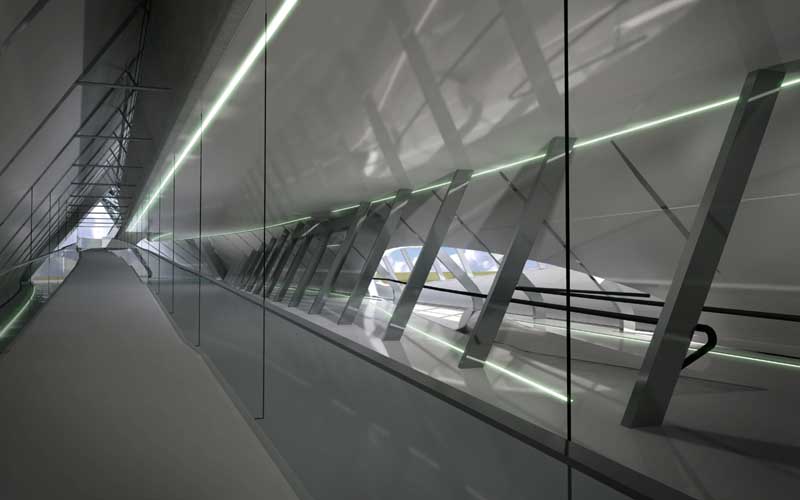
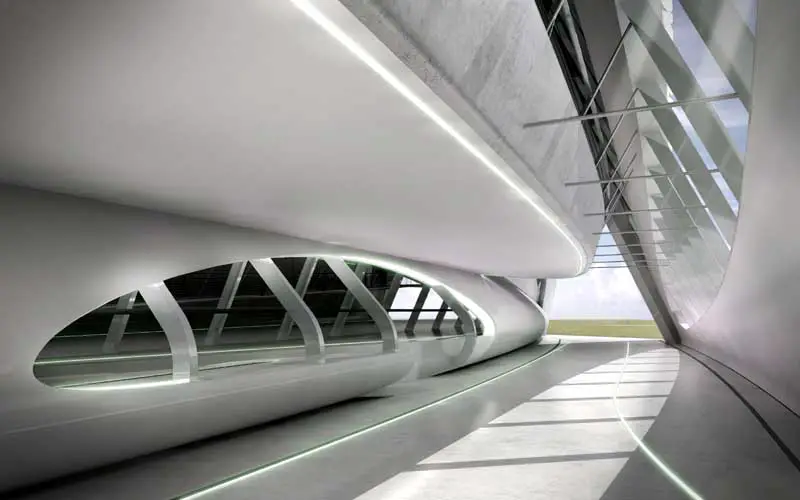
This interlocking has had extremely interesting effects on our design. Interiors become exciting complex spaces, where visitors move from pod to pod though small in-between spaces that act as filters or buffer zones, muting sound and visuals from one exhibition space to the next, therefore allowing for a clearer understanding of the art installation content. The identity of each pod remains thoroughly readable inside the pavilion, almost performing as a three-dimensional orientation device.
Spatial concern is one of the main aspects driving this project: each zone within the building has its own spatial identity, and their interiors are focused on art-work or are open spaces with strong visual connection to the Ebro river and the Expo.
When designing the Pavilion’s skin, natural surfaces were a major feature in our research. Shark scales are fascinating both for their visual appearance and for their performance. Their pattern can easily wrap around complex curvatures with a simple system of rectilinear ridges. On a building scale, this proves to be effective, visually appealing and economically convenient.
The building’s envelope plays an essential role in defining its relation to the surrounding environment and its atmospheric variation. The project has been designed imagining that its interior could be thoroughly enlivened by the effect of atmospheric agents, such as the Tramontana wind blowing along the Ebro and Zaragoza’s sun. At Expo stage, a single weathering layer that protects it from rain will enclose the building. This skin will be generated by a complex pattern of simple overlapping shingles.
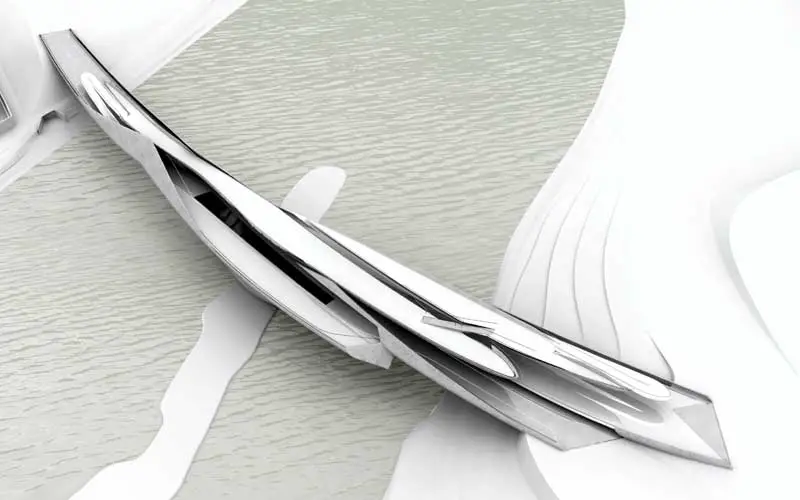
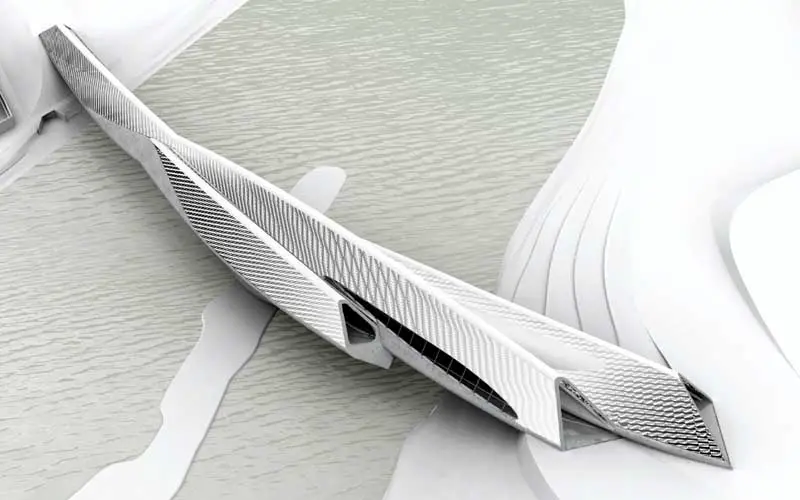
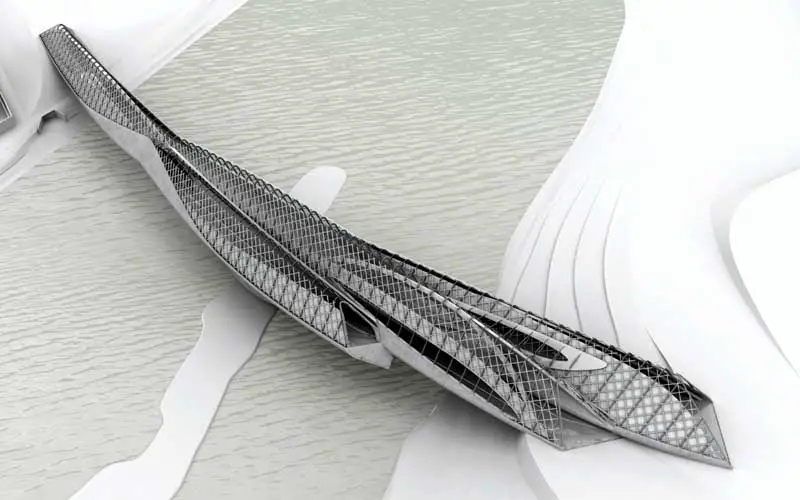
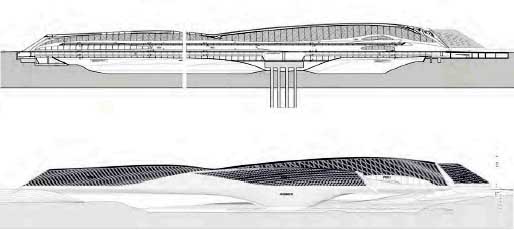
Some shingles can rotate around a pivot, allowing for temporary opening or closing of part of the façade. Levels of light range from rays through tiny punctual apertures to wide full size openings located on the lower level, in correspondence with either end of the bridge, allowing for full visual contact with Ebro and the Expo.
Zaragoza Expo Bridge Images from Zaha Hadid Architects 020508
Zaragoza Bridge design : Zaha Hadid
Zaragoza Bridge : main page on Expo Pavilion
Location: Zaragoza, eastern Spain, southwestern Europe
Architecture in Spain
Contemporary Architecture in Spain
Spanish Architecture Designs – chronological list
Architecture Walking Tours by e-architect
Zaragoza Bridge architect : Zaha Hadid Architects
Spanish Architecture
Contemporary Architecture in Spain – architectural selection below:
Jané Winestore, Tarragona
Architects: Chu Uroz & Carmelo Zappulla
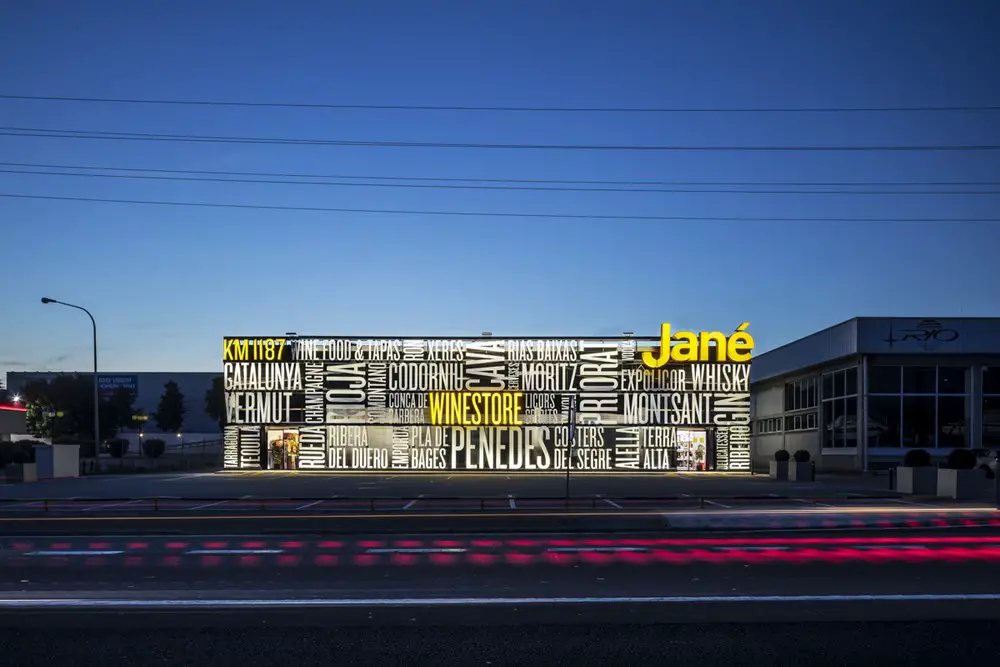
photograph © Adrià Goula
Jané Winestore in Tarragona, Costa Dorada
Hotel Mercer 5*, Seville, Southern Spain
Architects: Cruz y Ortiz Arquitectos
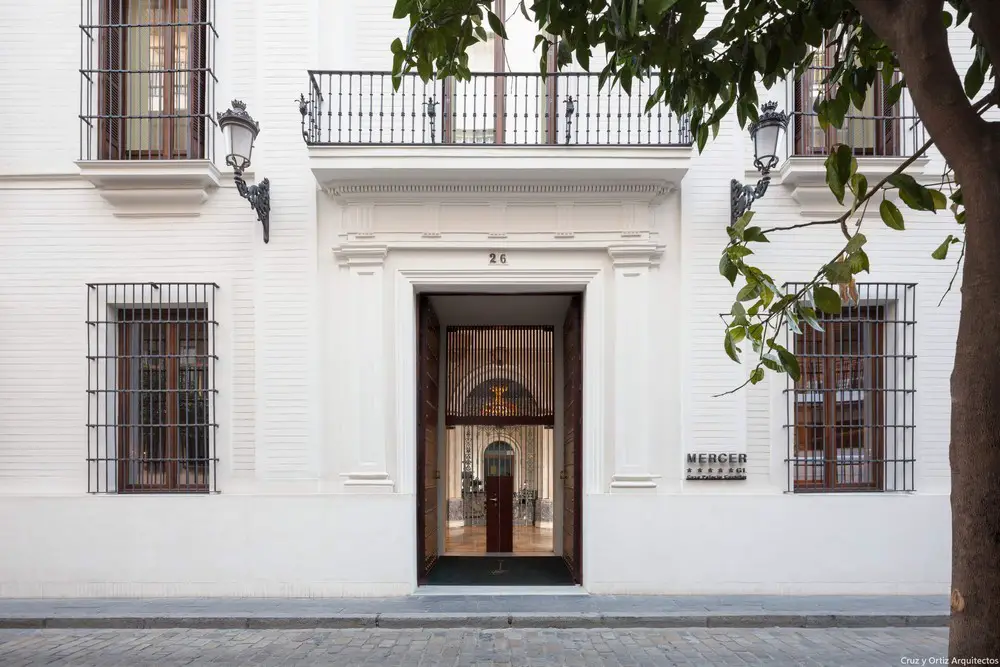
photo © Manolo Espaliú
Hotel Mercer 5*
Civil Courts of Justice Buildings
Design: Zaha Hadid Architects
Madrid Civil Courts of Justice
Seville University Library
Design: Zaha Hadid Architects
Seville University Library
Guggenheim Museum
Architect: Frank Gehry
Guggenheim Museum Bilbao
Comments / photos for the Zaragoza Expo Bridge Architecture page welcome
