
Modern architects studios, Key 20C architectural studios, Modernist design practice news, Projects
Modern Architects – 20th Century Architecture
20th Century Architecture Studios – Brief Description – Design Practices
post updated 11 February 2024
Modern Architects Firms
Modern Architecture or Modernism was a product of the mid-20th century.
Famously coined as the International Style by Reyner Banham, the Modern style was linked notably with Le Corbusier and central European and generally western architecture.
Modernist Architecture eventually made its way to the Developing World and also to colder climates in the North where the white concrete didn’t always weather so well.
The Modern movement – also referred to controversially as a ‘style’ by some – bound morality, technology and art together.
Morality in that there was an aim to improve humanity’s lot, notably whole scale demolition of slums to make way for clean modern housing. This was called comprehensive redevelopment and in the UK one of the most notorious examples is Glasgow: slums were cleared but so were communities. The modern city was strangled by a motorway that divided residential areas and mostly lower social classes were transferred to huge developments on the edge of town or beyond.
Modern Technology was invoked with the admiration for emerging development of planes, cars, ships and trains. Modern Architecture was to evoke streamlined looks and some physical technology from these transport types. Famously the Le Corbusier – one of the most famous Modern architects – in ‘Vers une Architecture’ lauded the world of transport for having the courage to use new techology whilst architecture had become lost in the world of style, of mannerism and above all, tradition.
Celebated Modern Architecture – Barcelona Pavilion
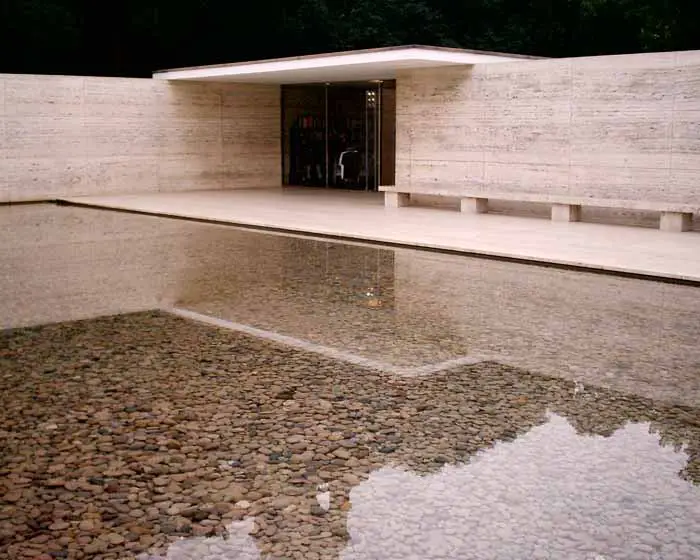
photograph © Adrian Welch
Art because ultimately Modern Architecture was based on stylistic devices that not always totally integrated into the above two aspects. Le Corbusier defined five points, such as fenetre longeur and point columns: essentially the drive was towards clean lines with a sense of lightness. A typical example would be a villa by Le Corbusier – white concrete, large areas of glass, floating mass / cantilevers and lack of ornamentation. But there were other Modernist Architects who did not use much white-rendered or painted concrete and even Le Corbusier was later to leave this light functionalist style for a more expressive architecture.
Jean Prouvé, pioneering modern architect:

photo : The Prouvé family © VG Bildkunst, Bonn
Modern Architecture was associated with some great architects and some powerful countries and companies. Modernism became the establishment.
The Key Modern Architects
The key Modern Architects are Le Corbusier, Ludwig Mies van der Rohe, Walter Gropius and Frank Lloyd Wright. Many Modern Architects had to flee Germany around the time of World War II, leaving for the USA or UK. The Scandinavian school of Modern Architects were known for a softer approach, more integrated into regional traditions, for example Arne Jacobsen, Alvar Aalto, Hugo Häring and Gunnar Asplund.
Celebated Modern Architecture – Guggenheim Museum New York
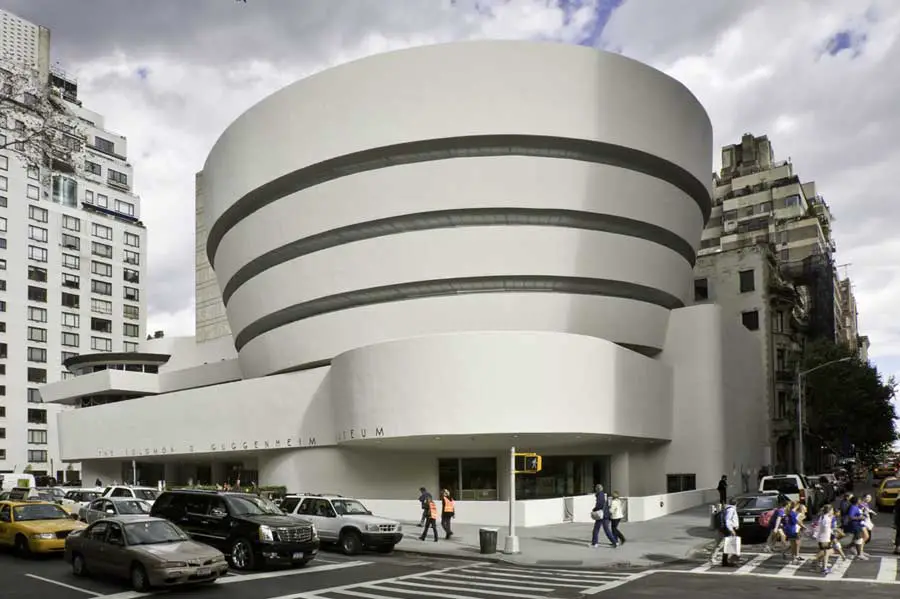
photo : David M. Heald, © SRGF, New York
Modern Architects that took a strong polemical line include Loos, Kahn and Mies Van der Rohe. Loos was famous for his doctrine of ‘Ornament is Crime’ and Mies for ‘Less is More’ – a puritanical, rectilinear architectural style. American architect Louis Sullivan coined the phrase “Form ever follows function” and later architects such as Le Corbusier committed their work to this ‘form follows function’ approach, thus cutting out much poetry and wit from designing buildings.
Bruce Graham, celebrated Modern architect:
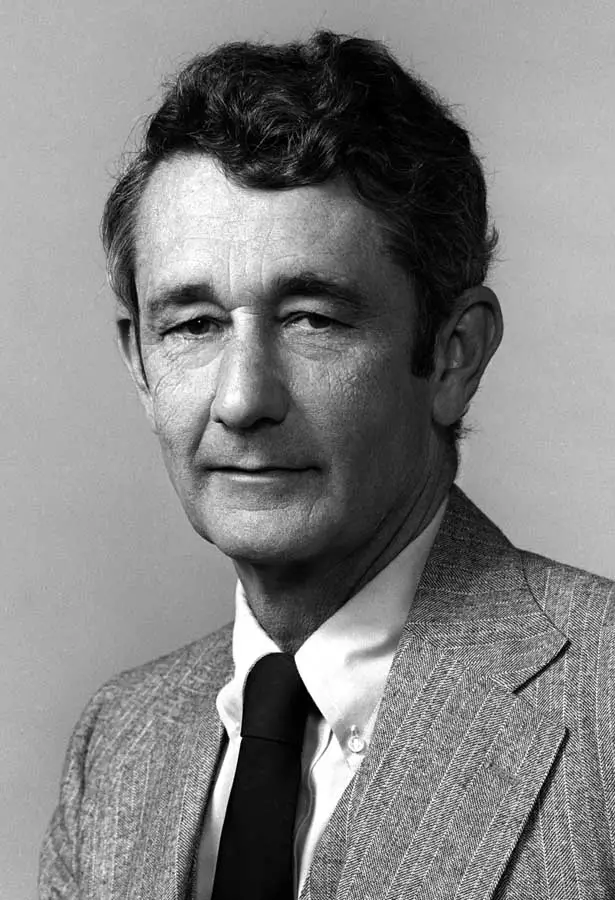
picture : SOM / Stuart Rodgers Photography
Post-Modernism was in many ways a reaction to this overly rigid stylistic concept which resulted in buildings by Philip Johnson and Jim Stirling that actively encouraged humour. There are not many architects today who would describe themselves as Modern Architects (a handful are labelled neo Modern) but it would be interesting to hear from any that do.
Modern Architecture

photograph : Wessel de Jonge
20th Century Architect
Perhaps the most celebrated Modern architect was Le Corbusier

building image © Karavan
Also important are Alvar Aalto, Mies van der Rohe, Frank Lloyd Wright and Walter Gropius.
Key Characteristics Of Modern Architecture
Eimer Design highlights the characteristics of modern architecture that embody the true essence of unique and innovative design.
Take a look at the following key elements of modern architecture:
- Modern Material Usage: Steel columns are commonly utilized in exposed applications. For finished materials, concrete block is utilized and concrete floors are exposed and stained. Steel trusses allow open column-free spaces.
- Lack Of Ornament: Modern architecture does not apply elaborate trim and decorative moldings but it is rather greatly simplified to give way to a clean aesthetic.
- Greater Emphasis On Vertical and Horizontal Lines: Vertical and horizontal elements are used to attain a dramatic effect.
- Use of Glass To Allow Natural Light: With modern architecture, windows are no longer considered portholes to the outdoors, but large expanses of the ceiling and floor glass now provide dramatic views and introduce natural light into the interiors.
- Honesty Of Materials: The true materials are seen in modern architecture and not concealed. For instance, wood is stained and not painted, expressing its natural character.
- Relationship Between Outdoor Sites And Interior Space: Large glass expanses promote natural landscaping and dramatic views.
- Open And Flowing Interior Spaces: When it comes to living spaces, they’re no longer highlighted by doors, hallways, and walls. Living room, kitchen, and dining spaces flow together to create a contiguous interior space and reflect a more relaxed and casual way of life.
Conclusion
You have just learned about the respectable and renowned modern architects of the 20th century. Draw great inspiration from their great works and life as modern architects who contributed much to this industry. Remembering how and where they started their passion will help you apply the principles and techniques of modern architecture, too.
Modern Architects Links
Howard, Killick, Partridge & Amis
Full List of our featured World Architects
World Architects – Selection by City
Modern House
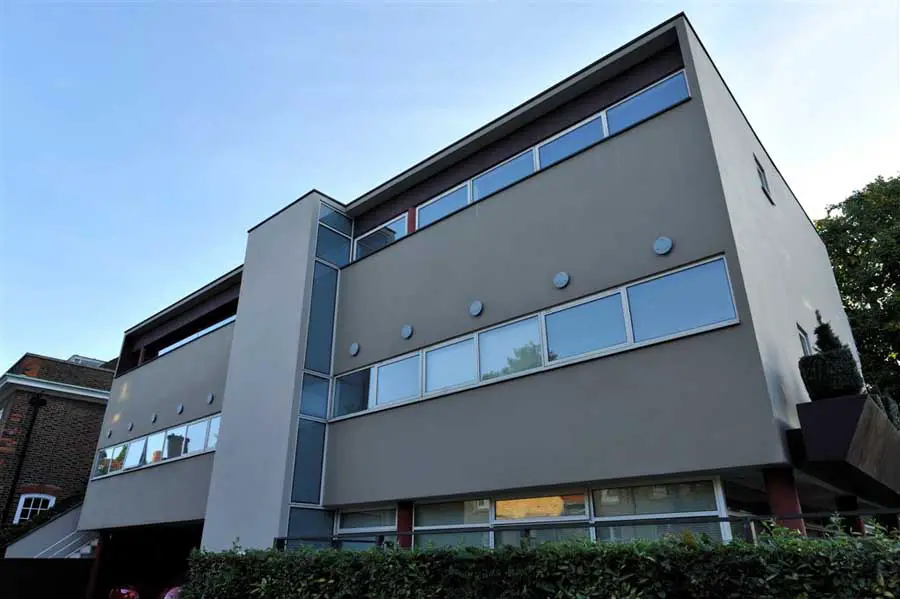
picture © Nick Weall
How to become an architect in UK
Comments / photos for the Modern Architects page welcome
