
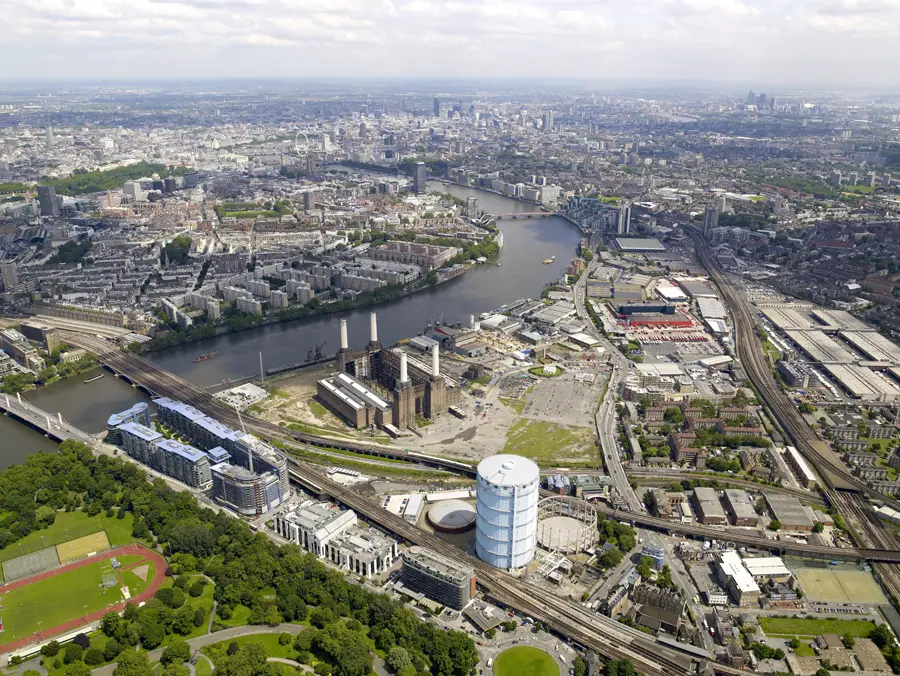
Battersea Power Station Architecture Images, Architect News, Southwest London Masterplan Pictures
Battersea Power Station London
London Building Redevelopment, England: UK Architecture News
20 October 2023
Battersea Power Station Public Realm, London SW11 a Finalist at Building Beauty Awards 2023
LDA Design for Battersea Power Station Development Company
Building Beauty Awards unveil their 2023 finalists of Britain’s most beautiful new buildings, engineering structures and urban landscaping schemes:
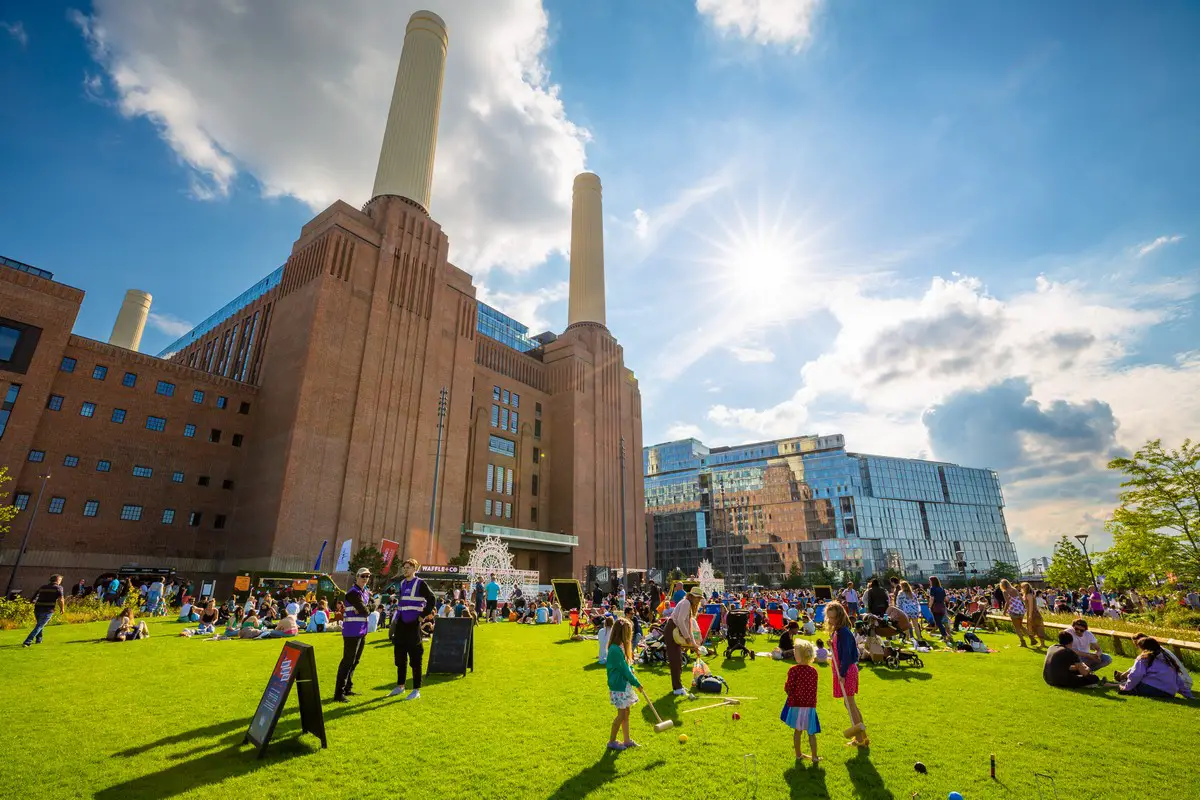
photo © Charlie Round Turner
Building Beauty Awards Announces 2023
18 Mar 2020
New Chair for Battersea Steering Committee
HDR | Andrew Reid has been appointed as Chair of the Battersea Steering Committee, to provide commissioning consultancy services across the Battersea Power Station redevelopment project.
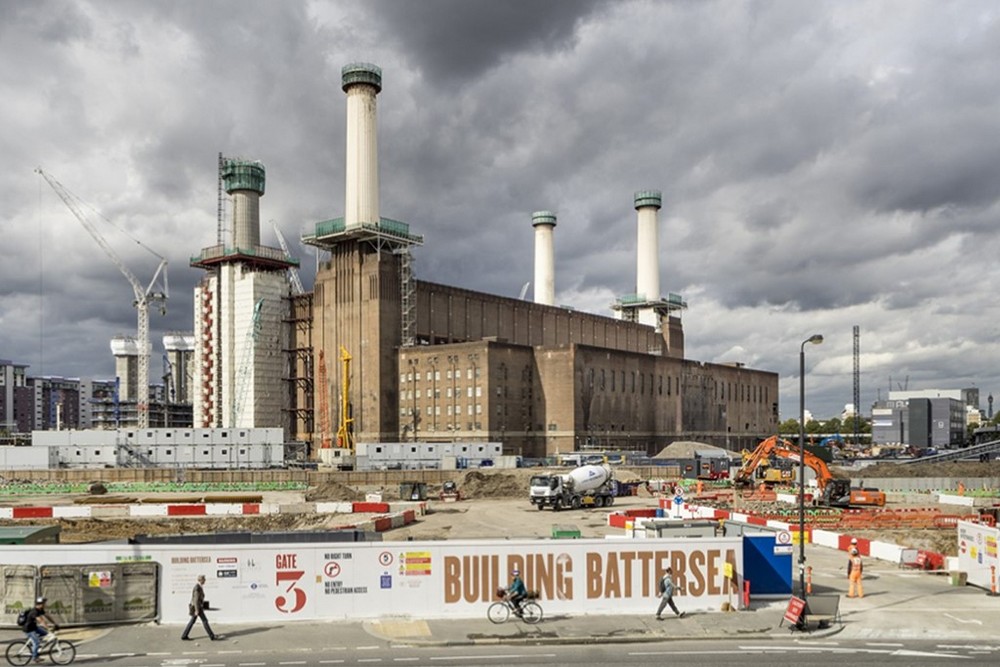
Battersea Steering Committee News
The grade II listed building sits in the 42 acres development and phase one to three of the construction involves 3444 residential homes, 517 affordable homes restoration of the power station and construction of the new Northern Line Extension station connected to the development by new high street known as The Electric Boulevard, plus 2.5 million sq. ft of office and retail space.
The project will also include the creation of a new tourism destination and creative quarter for the capital, containing a rich mixture retail, arts, culture, education and leisure attractions and a multi-purpose entertainment venue.
The master plan for the mixed-use development has been designed by Rafael Viñoly and is being carried out by Battersea Power Station Development Company. HDR | Andrew Reid is working with the key stakeholders across phases one to three of the £9bn project, in addition to the Battersea Energy Centre.
This is one of five new signature building projects in the London borough of Battersea the team at HDR | Andrew Reid is now working across.
About HDR | Andrew Reid
HDR | Andrew Reid is a specialist commissioning, design and diagnostic consultancy. Formed in 1970 to provide professional engineering expertise relating to the design and commissioning of building engineering services, the company supports clients in many sectors including commercial offices, finance, critical environments, rail, residential, leisure, and the arts.
The company operates internationally employing over one hundred staff through companies in the UK, Europe, Asia and Australia. With an annual turnover in excess of £13million, HDR | Andrew Reid continues to grow.
In 2014 Hurley Palmer Flatt Group acquired a majority shareholding in the company. In 2019 Hurley Palmer Flatt Group was acquired by HDR.
For further information please visit: www.andrewreid.co.uk/
About HDR | Hurley Palmer Flatt
Hurley Palmer Flatt Group is the UK’s leading independent multidisciplinary engineering consultancy, providing solutions for the built environment. Established in the UK in 1968 as a trusted advisor, it delivers engineering solutions for clients worldwide. The Group’s success is built on its commitment to adding value beyond engineering. The company has grown and expanded its offering over time with the acquisition of complementary businesses including Andrew Reid, Bradbrook Consulting and Concentre Consulting. Hurley Palmer Flatt Group was acquired by HDR July 2019.
HDR employs more than 10,000 employees in over 200 locations around the world, with expertise and in depth knowledge in engineering, architecture, environmental and construction services.
For further information please visit: www.hurleypalmerflatt.com and www.hdrinc.com
2 July 2019
Battersea Power Station Terrace News
Battersea Power Station Terrace
30 Aug 2017
Battersea Power Station London Redevelopment
Painting of iconic chimneys at Battersea Power Station
Battersea Power Station confirms that the painting of the four chimneys is now complete, earlier than expected. All four chimneys received a base coat and final coat of paint in the exact colour the originals were painted in to ensure they are visually identical.
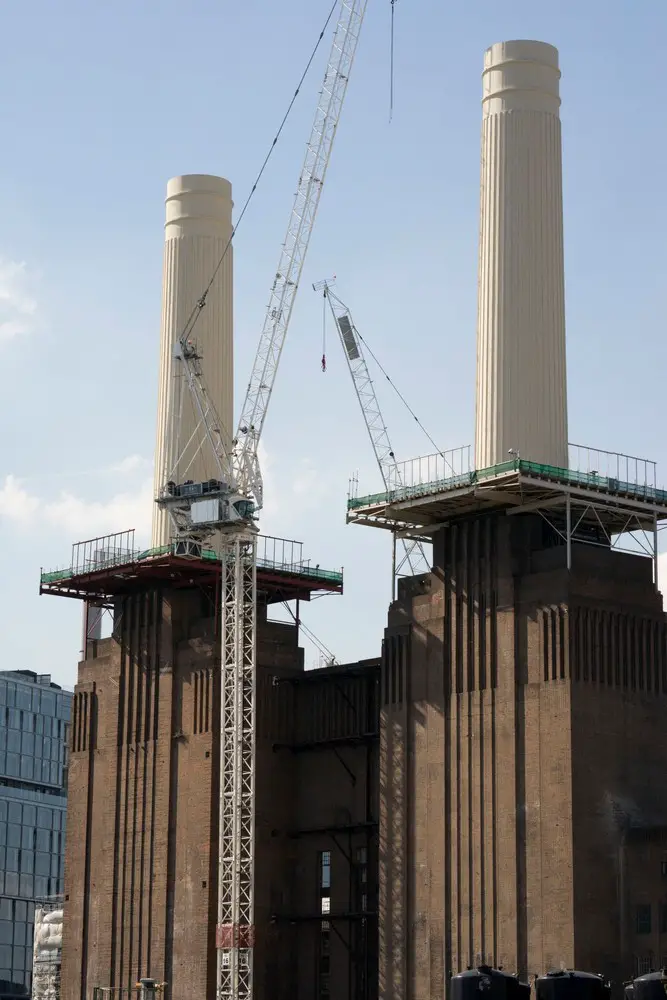
photo : Anthony Coleman VIEW Photography
Battersea Power Station Chimney Painting
27 Nov 2013
Battersea Gasholders Demolition
Battersea gasholders demolition begins
National Grid has now started to dismantle the disused gasholders next to the building to make way for new homes, shops and businesses.
The site was decommissioned in 2012 and the demolition is expected to last until December next year.
picture of the Battersea Power Station + gasholders site
Improvements to the gas network and storage methods mean that the holders are no longer needed.
National Grid is currently in the process of selecting a development partner to help them realise their ambitions for the site which is located at the western end of the Nine Elms of the South Bank regeneration area.
Several major development projects are already underway just a short distance from the gasholders including Riverlight, Embassy Gardens, and the new US Embassy.
Ravi Govindia, leader of Wandsworth Council, said:
“For decades this facility was part of a vital gas network but the holders are no longer needed and the land can be released to meet the needs of today’s Londoners.
“The site occupies a key location between established communities around Battersea Park and the new town centre taking shape within and around the power station. The land has clear potential to provide new homes and jobs as well as valuable new links to the new Nine Elms.
“It’s great to see another project moving forward in this rapidly changing part of London.”
Keith Johnston, Land Regeneration Manager for National Grid, said:
“As well as keeping the lights on and people warm by supplying electricity and gas to homes and businesses, we are also committed to bringing our old disused sites, such as Battersea, back to life. This site can provide new homes and also link the existing community to the new Nine Elms developments.”
Battersea Power Station Apple Campus
23 Sep 2013
Battersea Power Station Visitors
Open House at Iconic London Power Station
Battersea Power Station became the most visited building to ever take part in Open House – attracting 40,000 visitors in just one weekend.
Open House London was started in 1992 by Victoria Thornton and is an annual event held every September. This year there were more than 800 buildings, reports the BBC. In its first year just 20 buildings were open for visiting, including Finsbury Health Centre and Lloyds of London.
Today the concept has “snowballed” to include 20 cities around the world. New York was the first city to replicate the event, in 2002.
14 Dec 2012
Battersea Power Station Designs
Detailed plans for power station approved
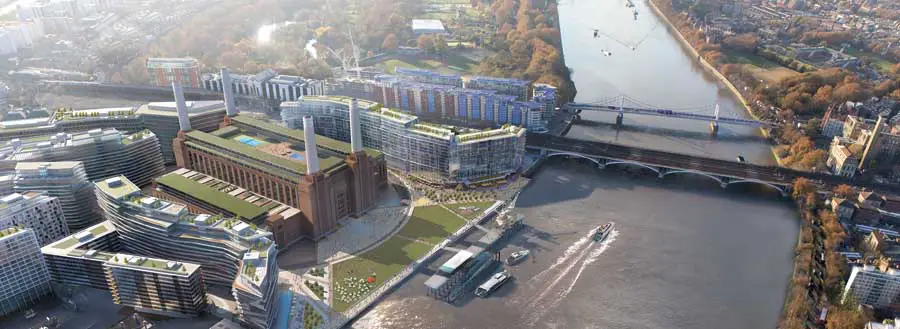
picture of the Battersea Power Station proposals
Battersea Power Station Designs
Detailed plans for the first phase of the Battersea Power Station redevelopment were approved last night (Dec 13) by Wandsworth Council’s planning applications committee.
The ruling means that the site’s new owners can press ahead with the first part of an £8bn masterplan. Work is expected to start next year.
This building is one of 27 major development sites located in Nine Elms on the South Bank – central London ‘s biggest regeneration area. During this first phase of work two new buildings will be constructed on vacant land to the west of the power station building. The new blocks will provide 800 homes, a hotel and space for cafes, restaurants, bars, a gym, pool, spa, theatre and office studios.
12 Oct 2012
Battersea Power Station Redevelopment
Detailed plans for Battersea Power Station Redevelopment
Detailed plans for the first phase of Rafael Viñoly’s Battersea Power Station masterplan have now been submitted to Wandsworth Council.
The enormous development project in Nine Elms was granted ‘outline planning consent’ in 2011. The new application provides a detailed specification for the first stage of the development.
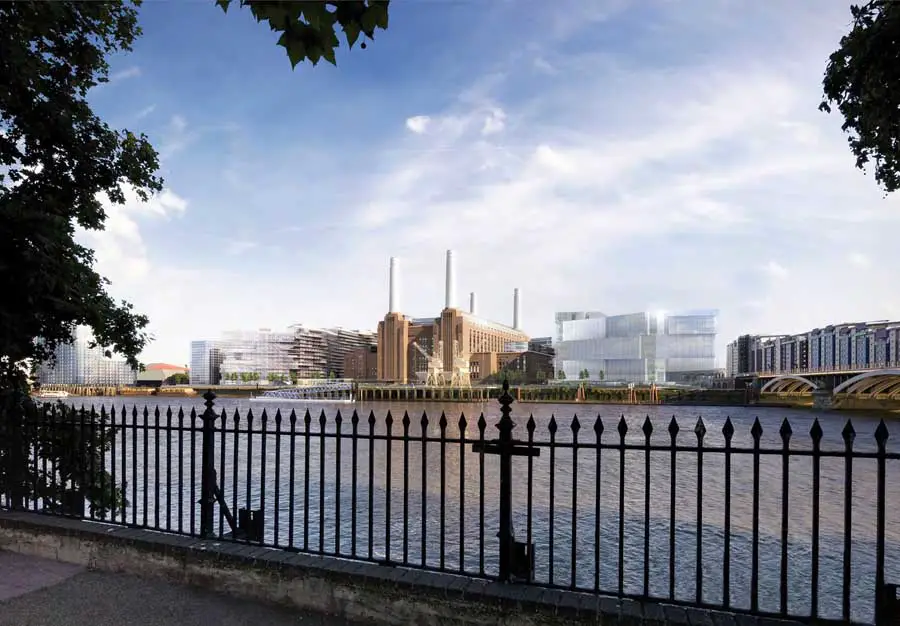
picture of the proposals
Leader of Wandsworth Council and co-chair of the Nine Elms Vauxhall Partnership Ravi Govindia said:
“The new owners picked up the keys just two months ago so it’s very encouraging to see the project moving ahead so quickly. This site is vital to the regeneration of the wider Nine Elms on the South Bank area and in particular the Northern Line Extension.
“Our planning team has started to go through the application documents in detail and is writing to local stakeholder to ask for their views.”
The application covers the details of the scale of the buildings and structures, the external appearance and the landscaping within Phase 1.
A linked application has also been received covering the internal configuration of the residential units, parking and servicing, as well as sustainability, energy and waste strategies.
Phase 1 consists of two buildings of varied heights between 8 and 18 storeys. They will be built to the west of the power station building on land which is currently vacant.
It would provide 800 homes, a hotel and space for cafes, restaurants, bars, a gym, pool, spa, theatre and office studios.
A new six-acre public park would form the setting for the new buildings.
To view the application and provide feedback online visit www.wandsworth.gov.uk/planning – search for applications 2012/4584 and 2012/4586
A Malaysian consortium of S P Setia, Sime Darby and the Employees Provident Fund (EPF), completed the purchase of the iconic site earlier this year.
The new owners are implementing the approved masterplan for the 39-acre power station plot which includes the complete regeneration of the listed power station, the largest brick building in Europe and one of the most significant surviving examples of Art Deco architecture.
The masterplan covers a full mixed-use redevelopment including new homes, offices, shops, restaurants and hotels as well as community, cultural and leisure facilities and have been agreed by English Heritage and Design Council CABE.
For local people and visitors the development will mean better transport access and a wide range of shops and amenities including a health centre and riverside park. The consortium has also committed to supporting construction of the proposed extension to the Northern Line into the Nine Elms area.
5 Sep 2012
Battersea Power Station Development
Battersea Power Station Redevelopment to start next year
The new owners of the building have today (Wednesday) announced that they plan to start major redevelopment work in the second half of next year.
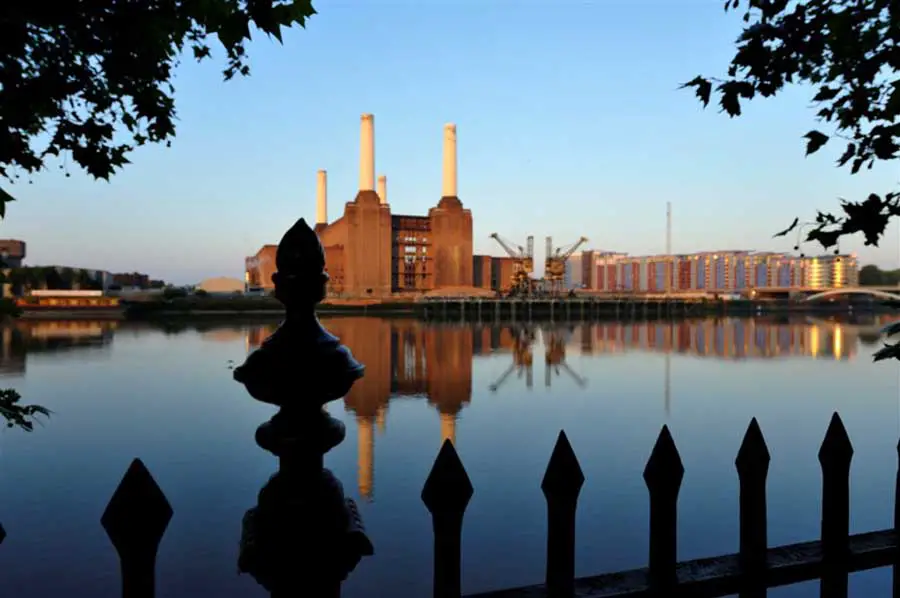
photograph © Nick Weall
A Malaysian consortium of S P Setia, Sime Darby and the Employees Provident Fund (EPF), has now completed the purchase of the iconic building in Nine Elms.
Noticeable improvements to the derelict plot will be seen shortly with preparatory work scheduled to begin over the next few months.
Phase One of the Battersea Power Station development would consist of residential buildings containing a total of 800 homes standing above a commercial podium which will include retail, restaurants, a gym, pool, spa, theatre and office studios.
A new six-acre park, open to the public, adjacent to the river and directly linking to the 200 acre Battersea Park next-door, would form the setting for the new buildings.
Outline planning consent for the power station scheme was granted by Wandsworth Council in 2011. A detailed application for the first phase of development is expected in October this year.
Wandsworth Council leader Ravi Govindia said: “Today’s announcement is a significant step forward in the transformation of Nine Elms on the South Bank.
“The district-wide regeneration programme will be one of the greatest sources of new jobs and homes in the country over the next few years. The redevelopment of the power station site has an important role to play and is key to funding the Northern Line Extension. This is the most exciting development in London and will deliver a massive boost to economic growth.”
The approved proposals to redevelop the 39-acre power station plot will include the completed regeneration of the Power Station, the largest brick building in Europe and one of the most significant surviving examples of Art Deco architecture.
The plans cover a full mixed-use redevelopment of the 39 acre site; including new homes, offices, shops, restaurants and hotels as well as community, cultural and leisure facilities and have been agreed by English Heritage and Design Council CABE.
For locals and visitors the development will mean better transport access and a wide range of shops and amenities including a health centre and riverside park. The consortium has also committed to supporting construction of the proposed extension to the Northern Line into the Nine Elms area.
30 Jul 2012
Battersea Power Station Site Start News
David Cameron announced on 26 Jul 2012 that the £8 billion project to transform the building into the hub of a new riverside development will begin in 2013.
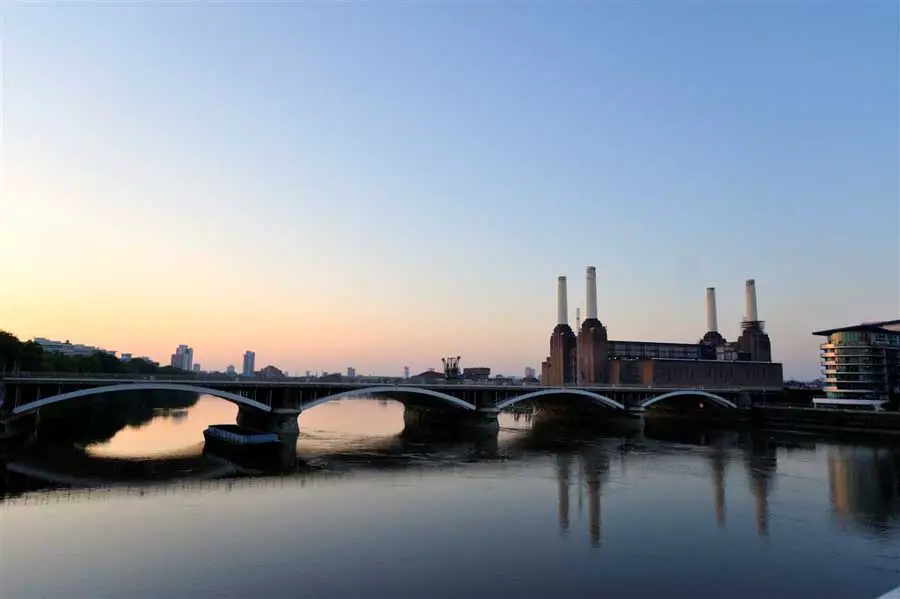
photo © Nick Weall
Architects for the Malaysian consortium remain unconfirmed.
4 Jul 2012
Battersea Power Station Malaysian Sale
Malaysian Site Purchase
A consortium led by Malaysia’s SP Setia Bhd has bought the building for £400 million ($623 million) and will redevelop the site into homes, offices and shops.
The consortium, which also includes Sime Darby Bhd (palm oil plantation operators), had won an exclusivity agreement on the 15-hectare site last month and had been carrying out due diligence since then.
The Malaysian consortium propose a mixed-use residential and commercial development in a 15-year project that will cost around £8bn.
18 May 2012
Battersea Power Station News
Reubens Site Bid
Reubens Brothers to invest £50m with Godfrey Bradman to buy site, report Property Week today.
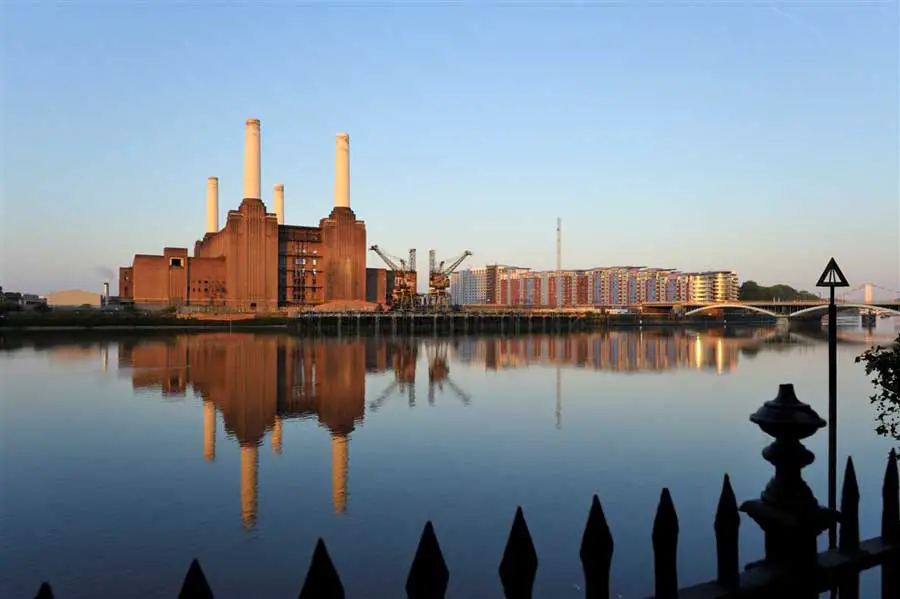
photo © Nick Weall
In February 2012 The Reuben brothers, who amassed a £6bn fortune through property and internet interests, bought Battersea heliport.
David and Simon Reuben bought London’s only licensed commercial heliport for an estimated £25m from Andrew Davis, former chief executive of the Von Essen hotels group which has collapsed into administration.
11 May 2012
Battersea Power Station Chelsea Stadium
Stadium News
Boris Johnson’s re-election as London Mayor might scupper Chelsea FC’s hopes of transforming the building into their new home. Chelsea FC confirmed they had submitted a bid to build a 60,000-seater stadium on the 39-acre site in Wandsworth, hours before Johnson was declared the winner in the battle to run the capital for the next four years.
The London Mayor’s chief of staff and Deputy Mayor for planning, Sir Edward Lister, has said he doesn’t think the site is suitable for Chelsea.
Initial designs for the Battersea Power Station Stadium have been made by KPF Architects.
14 Mar 2012
Battersea Power Station Event
Heritage and Regeneration
A conference took place on 20 Apr 2012 organized by the Twentieth Century Society at the Building Centre, 26 Store Street, London WC1E 7BT. With support from the Building Centre Trust. The aim of the conference was to assist the public and media by presenting well-informed opinion about the development site in the light of new opportunities, with a focus on the retention of the Grade II* listed building.
Battersea Power Station Building : event + further information
24 Feb 2012
Battersea Power Station Sale
Building put up for sale
The Guardian report that this major London building, unused since 1983, is to be sold.
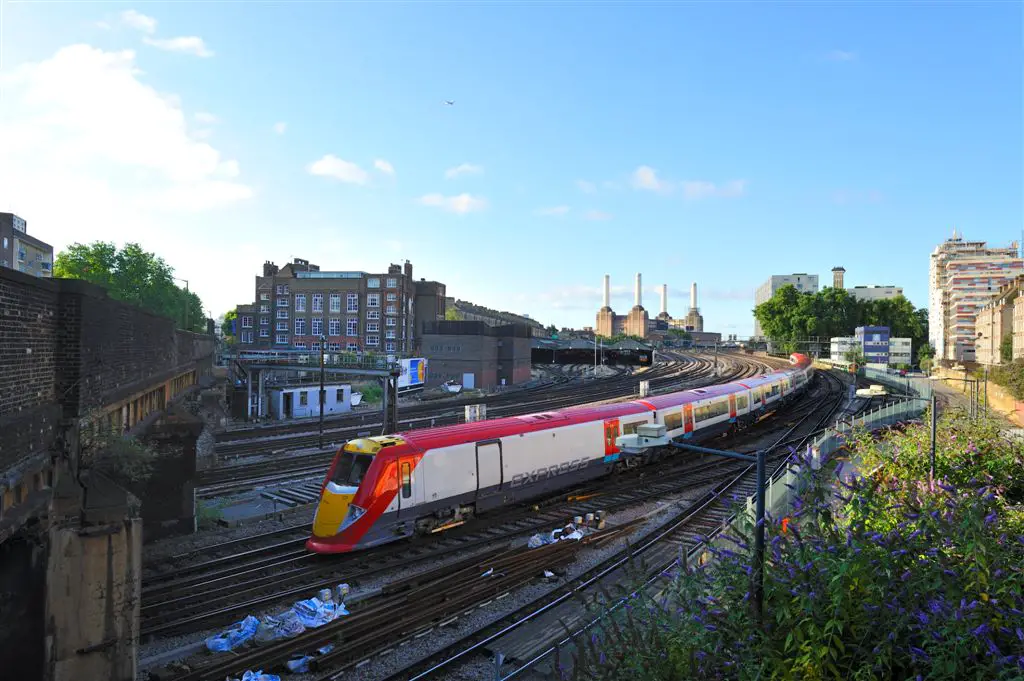
photo © Nick Weall
Stephan Mile-Brown, the head of residential development at the estate agent Knight Frank, which is handling the sale, said: “This is the first time Battersea power station has ever been offered for sale on the open market.
Knight Frank expects to receive final bids in autumn 2012.
13 Dec 2011
Battersea Power Station Redevelopment News
Battersea Developers Administration
The Guardian report the building pushes another developer into administration. The Irish property firm failed to repay debts of £340m. The 40-acre site in south west London is valued at £500m.
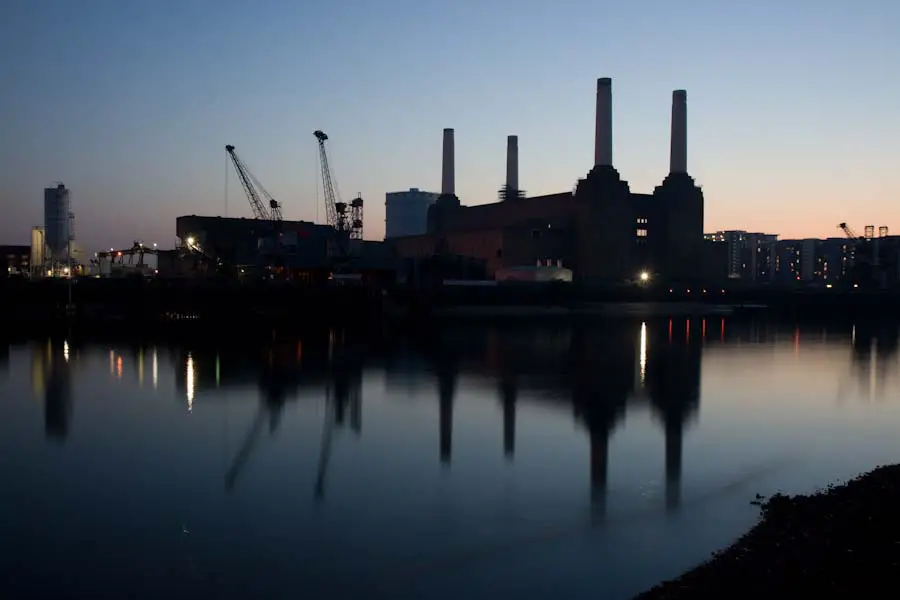
© James Whitaker 2009 www.WhitakerStudio.co.uk
The 40-acre site in south west London, valued at £500m in October, will be put up for sale after a high court judge placed four subsidiaries of Battersea’s holding company into administration on Monday. They failed to repay £324m of debt owed to Lloyds Banking Group and Ireland’s National Management Asset Agency.
The lenders lost patience with the holding company’s owner, the loss-making Irish property firm Real Estate Opportunities. Moreover, Hong Kong developer Victor Hwang, who sold the power station to REO for £400m five years ago, has called in a £178m vendor loan.
2 Dec 2011
Battersea Power Station Development News
Battersea redevelopment in doubt
Chancellor George Osborne and London Mayor Boris Johnson were in Battersea on Monday, promising redevelopment and an extension to the Northern Line, largely funded by developers, report the BBC. But three days on and it looks as if the developers are heading for administration while Labour’s mayoral candidate Ken Livingstone has called it an embarrassing blow. So, what now for this grand plan for London?
Administrators are lined up to take control of the building. Lloyds and Ireland’s National Asset Management Agency have demanded the repayment of £324m of debt from Irish developer Real Estate Opportunities, the majority owner of the site. They have secured a High Court hearing for 12 Dec to consider the appointment of Ernst & Young as administrators for the Battersea Power Station development. The banks are to explore proposals from Roman Abramovich and Chelsea FC, who have expressed an interest in the site for a new stadium for the football club.
Following the announcement, BPSCG member called for the building to be returned to the public sector, with repairs to be funded by the Heritage Lottery Fund.
Five years to the day after it was announced that Treasury Holdings was taking over at the building, and after months of speculation, it has been announced that NAMA and Lloyds Bank are calling in the administrators. The announcement comes two days after George Osborne and Boris Johnson visited the Battersea Power Station site.
Battersea Power Station Redevelopment – external link
15 Feb 2011
Battersea Power Station Redevelopment Approval
Original structure: Giles Gilbert Scott
Location: Wandsworth, west London
The £5.5bn redevelopment of Battersea Power Station has cleared the final regulatory hurdle after Eric Pickles, the Communities Secretary, gave the scheme the green light.
The decision means Treasury Holdings, the developer, could start construction in 2012. However, Treasury first needs to secure a capital injection to finance the project. Rob Tincknell, managing director of Treasury, said talks with potential joint venture partners were “productive”.
The power station is one of London’s most recognisable landmarks but has lain dormant since 1983 despite attempts by a collection of owners to develop it. Treasury’s proposals comprise 10m sqft of offices, shops and 3,400 homes. However, the Irish-backed developer must also agree financing terms on a £600m extension to the London Underground. First phase architects were named as Ian Simpson Architects and dRMM.
12 Nov 2010
Redevelopment Approval News
Wandsworth Council issue planning approval for the redesigned Battersea Power Station development. More information online soon.
Battersea Power Station redevelopment masterplan
Rafael Viñoly
architecture competition – announced Apr 2007
Battersea Power Station Redevelopment
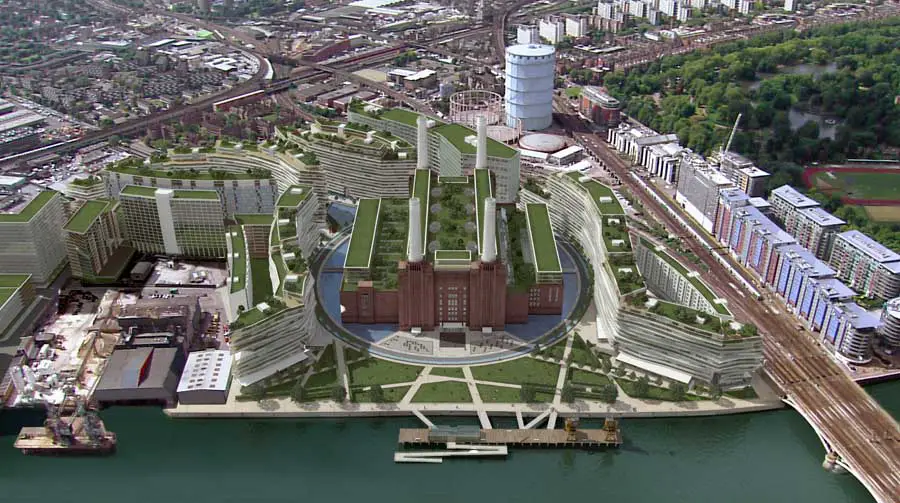
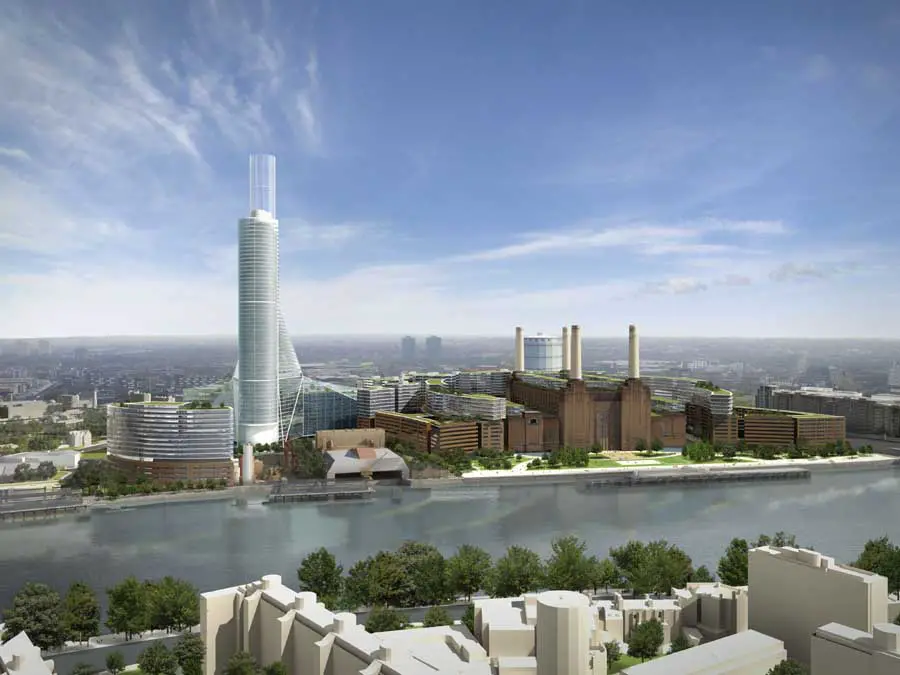
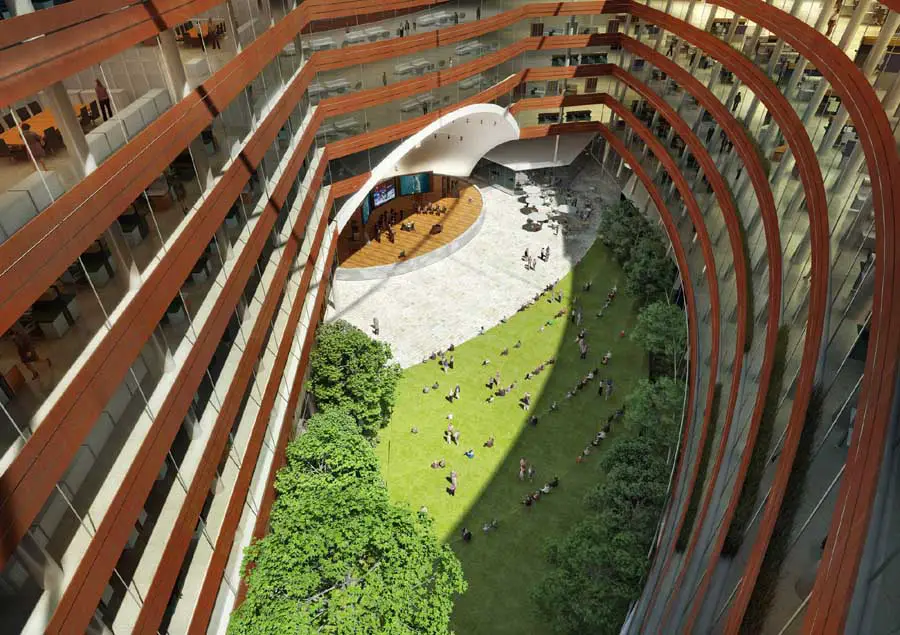
pictures from architect
Approx. development cost: £5.5 billion
News Update – Feb 2009
Tower abandoned after opposition from major politicians such as the London Mayor.
News Update – Jan 2009
Chimney reduced to 250m high from 300m. Facing opposition from major politicians such as the London Mayor. The developer has warned that refusing the revised tower may jeopardise the Nine Elms area regeneration.
Facts re this London Power Station
Architect: Sir Giles Gilbert Scott, designer of the red telephone box
The building caught fire in 1964
Power production at the Station B finished in 1983
Coal-fired electrical generation
Grade II listed building
Brick-clad, steel-framed building
Images + Information 9 Jul 2008:
New Master Plan for Battersea Power Station Presented
Iconic Station to Be Brought Back to Life via the Most Advanced and Unique Sustainable Development Ever Built in the United Kingdom
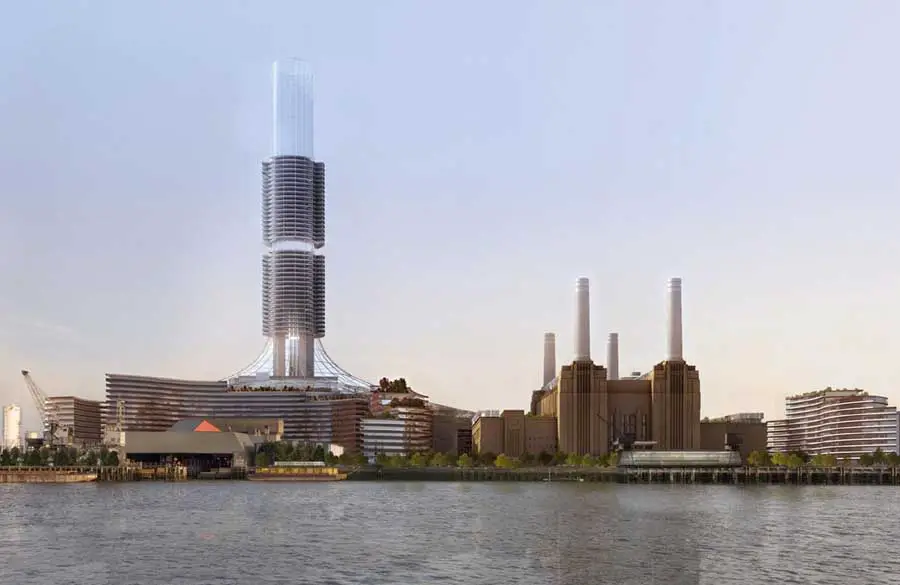
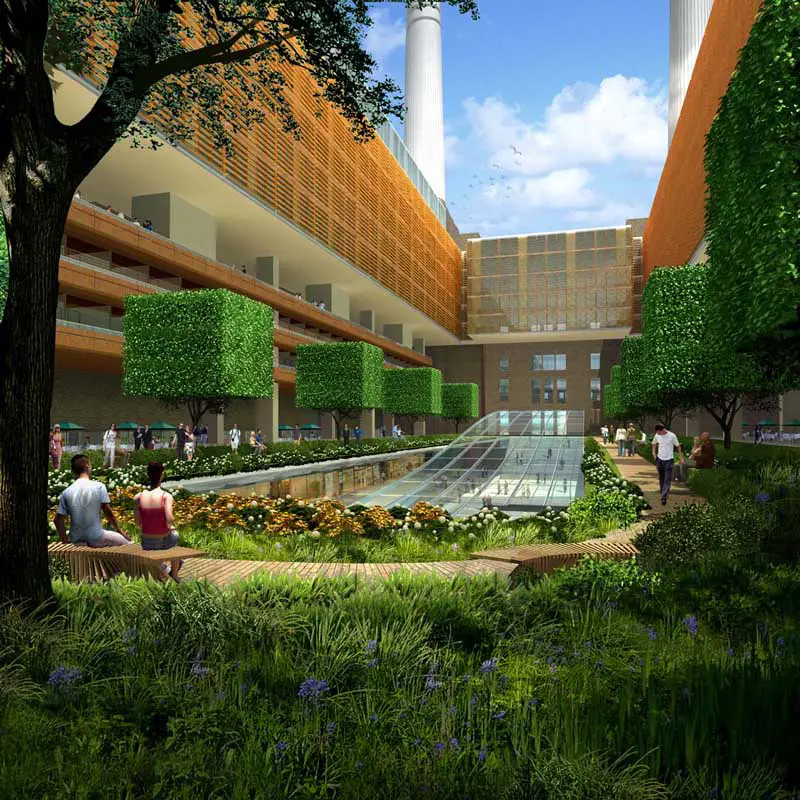
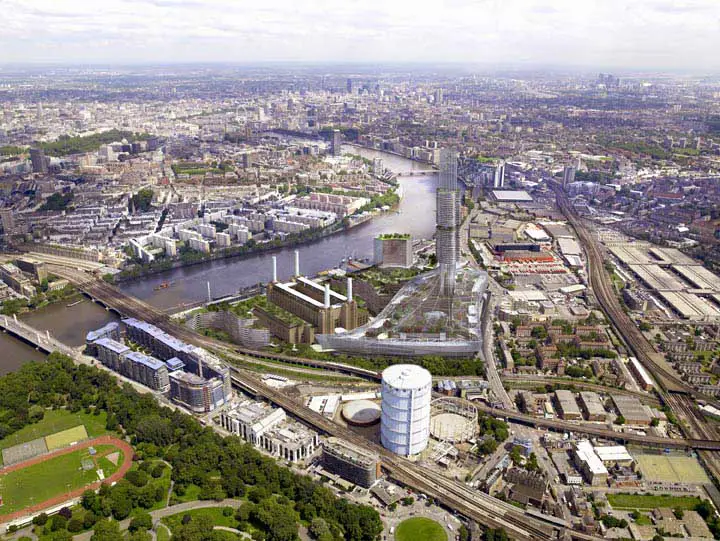
View from North Bank ; Power station central roof garden ; Aerial view
Rafael Viñoly Architects PC and Real Estate Opportunities Limited (REO) have revealed the master plan design for the redevelopment of the historic Battersea Power Station site along the River Thames. Designed and constructed in the 1930s by Sir Giles Gilbert Scott, the station, which was in operation until 1983, will now be revived as a vital element of the most advanced sustainable development ever built in the United Kingdom. The 8 million-square-foot master plan will provide residential, retail, hotel, and office space, as well as leisure, cultural, and community accommodations on the largest development site in central London. The Battersea Power Station initiative will act as a catalyst for the regeneration of the wider Nine Elms Corridor.
The power station will once again be used to produce electricity with a new combined cooling, heat and power plant, but it will employ renewable resources to do so. Surrounded by public parks and plazas, the key historic spaces of the station will be preserved, with key elements redeveloped as a commercial complex including a museum and open-air park.
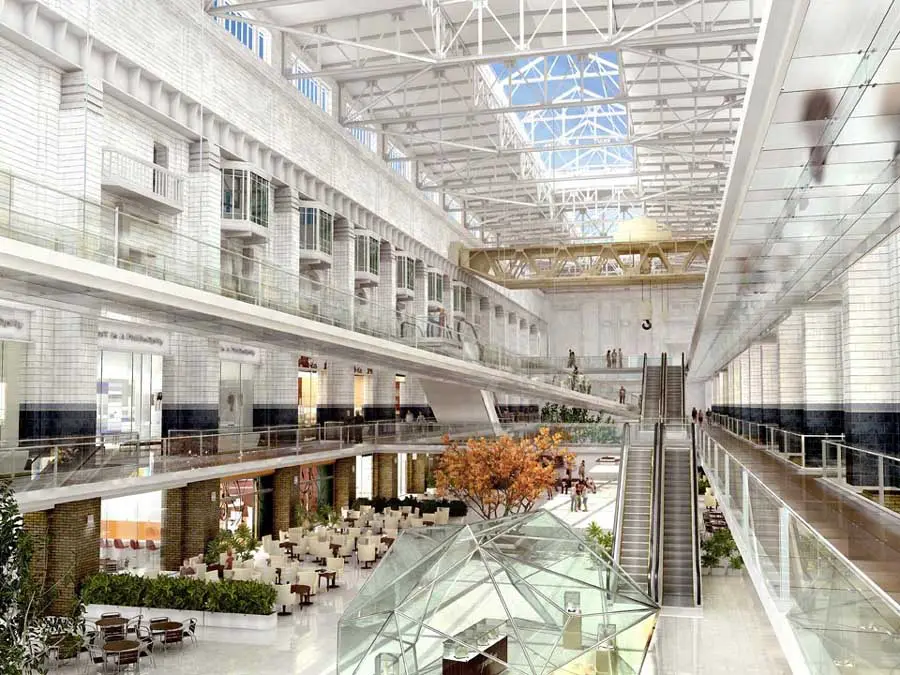

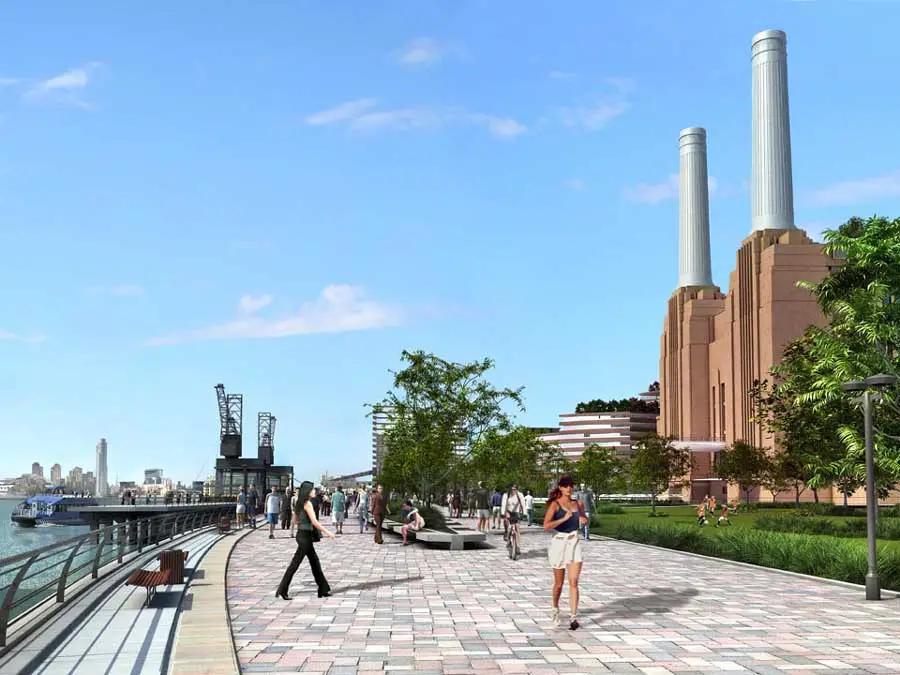
Turbine Hall A ; Plaza ; Riverfront view
Alongside the power station, a landmark “Eco-Dome” and “Chimney” will incorporate the largest solar-driven ventilation system ever conceived, funneling hot air through the central shaft of the tower and drawing in cool air at ground level. This will eliminate the need for air conditioning in the commercial and ground floor retail spaces housed beneath the Eco-Dome, decreasing energy demand in the buildings by as much as 67 percent and dramatically reducing carbon emissions. The Eco-Dome will incorporate a new underground station, providing enhanced public transportation access to the site.
“The Battersea Power Station Master Plan is based on rigorous principles of environmental, economic, and social sustainability,” said Rafael Viñoly. “The proposed scheme creates a balanced mix of uses to ensure a fully integrated urban environment, provides a new transportation solution, and establishes an energy strategy that radically reduces consumption, as well as generating a clean supply through the use of renewable sources. The visual presence of this near transparent marker on the skyline defines a new opportunity area signaling London’s commitment to innovation and sustainability.”
Rob Tincknell, managing director of Treasury Holdings UK, said: “We don’t embark on projects that we can’t deliver. We are determined that Londoners will not be disappointed and this area will be brought back to life in the most spectacular way. It will be a place to live, work, and play.”
Rafael Viñoly Architects’ project director for the complex is John Drew. Headquartered in the firm’s London office, he is also leading its high-profile Curve theatre project for Leicester, England, among others.
Rafael Viñoly redevelopment architect –
Battersea Power Station Building
Date built: 1939
Design: Giles Gilbert Scott, Architect
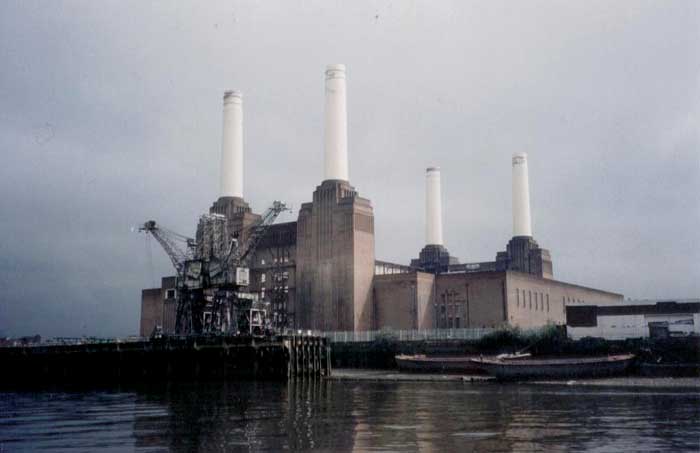
scanned photo from 1997 by Adrian Welch
The building is upgraded to Grade II* in 2007
Previously:
Battersea Power Station redevelopment
2004-
Arup Associates + Grimshaw Associates
For Parkview International
A long-running project, now titled The Power Station
Location: 188 Kirtling Street, Battersea, London, UK
Key London Building Design by Rafael Viñoly
London Architecture Walking Tours
Giles Gilbert Scott – Battersea Power Station Architect
Battersea Weave Office Building, London, UK
2004-10
UN Studio Architects
Royal College of Art South London Campus – multi-purpose building, Battersea
2007-
Haworth Tompkins Architects
RIBA Architecture Competition
Battersea Power Station redevelopment previous architect – Nick Grimshaw of Grimshaw Associates
Comments / photos for Battersea Power Station Architecture page welcome

