
Kolkata Book Fair 2009, Design Competition, Prize, Image, India, Project, Architect
Kolkata Book Fair : Indian Architecture
Pavilion for Scotland : Contemporary Indian Building – design by Graeme Massie Architects
19 Jan 2009
Kolkata Book Fair Pavilion
Design: Graeme Massie Architects, Scotland
Scotland’s Pavilion to be designed in India
Graeme Massie resigns from designing Kolkata Book Fair Pavilion for Scotland. Competition organisers, like the British Council, should do their utmost to ensure the winner’s design is realised. Time and again architects’ work is wasted because those in power fail to respect them as professionals, and almost always the end result suffers.
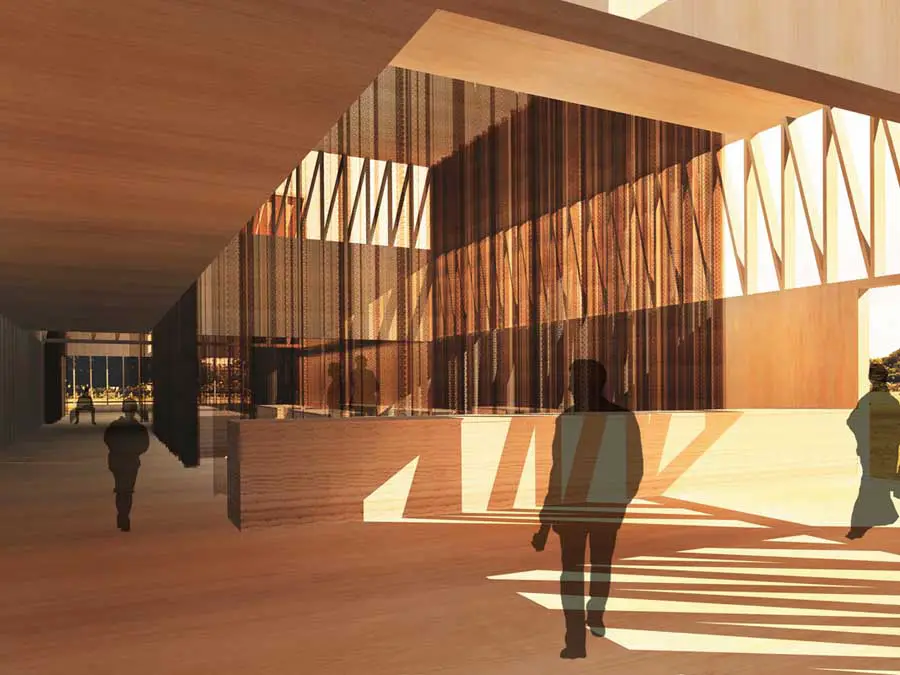
image courtesy of architects office
This temporary pavilion will host the Scottish presence at the Kolkata Book Fair so it is entirely logical it is designed in Scotland. The British Council Scotland should be encouraging scottish designers, especially given the depths of the recession which is particularly hitting architects.
As the project developed and local executive architects were appointed, significant changes to the original design were proposed and these were deemed unacceptable to Graeme Massie Architects leading to their resignation from the project.
British Council Scotland Press Release:
Scotland’s Pavilion at the Kolkata Book Fair in January 2009
Edinburgh 19 Jan. British Council Scotland regrets to announce that the temporary pavilion which will host the Scottish presence at the Kolkata Book Fair is now to be designed in India.
Edinburgh-based practice Graeme Massie Architects originally won an open design competition held by the British Council, in association with The Lighthouse. As the project developed and locally based executive architects were appointed, significant changes to the original design were proposed which were unacceptable to Graeme Massie Architects, leading to their resignation from the project. British Council Scotland regrets this profoundly.
Roy Cross, Director British Council Scotland said: “We are extremely grateful to Graeme Massie for his innovative and striking design, which we saw as a fine example of contemporary Scottish architecture. We are very sorry that circumstances have prevented the realisation of his building on this occasion but feel confident that Scotland’s central role at the Kolkata Book Fair will be a success.”
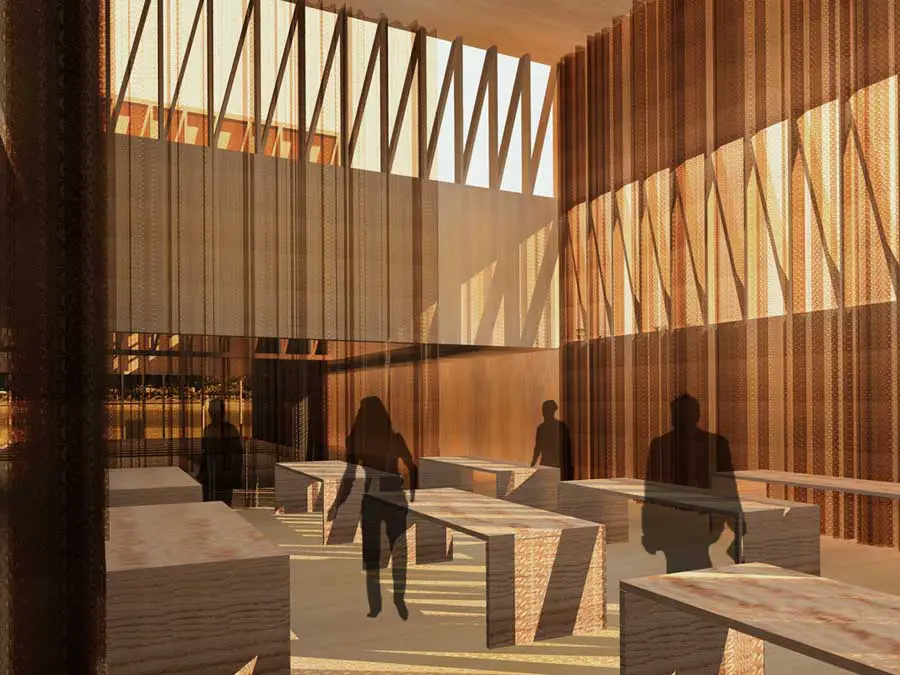
image courtesy of architects office
Graeme Massie Architects said: “We are naturally disappointed to no longer be involved with the project, and that there will no longer be a Scottish design presence at the Book Fair, however we wish the British Council well with their ambitious Scotland-Kolkata Connections programme.”
Scotland will now be presented in a locally designed and built pavilion at the heart of the Kolkata Book Fair which is expected to be visited by 50,000 people per day. The pavilion will showcase a series of presentations from Scottish institutions including the Scotland Kolkata Connections exhibition curated by Henri Lidchi of National Museums Scotland and host discussions and film screenings throughout the two-week long book fair.
Scotland’s participation in the Kolkata Book Fair marks the beginning of a year-long programme of events and exchanges exploring the connections between Scotland and India to be delivered in association with over 50 Scottish institutions including, Museums Galleries Scotland, National Museums Scotland, Royal Botanic Garden Edinburgh, National Library of Scotland, National Galleries of Scotland and Education UK Scotland.
Kolkata Book Fair information received from British Council Scotland 190109
Pavilion for Scotland at the Kolkata Book Fair 2009
Open Design Competition – 1st Prize : Graeme Massie Architects
23 Oct 2008
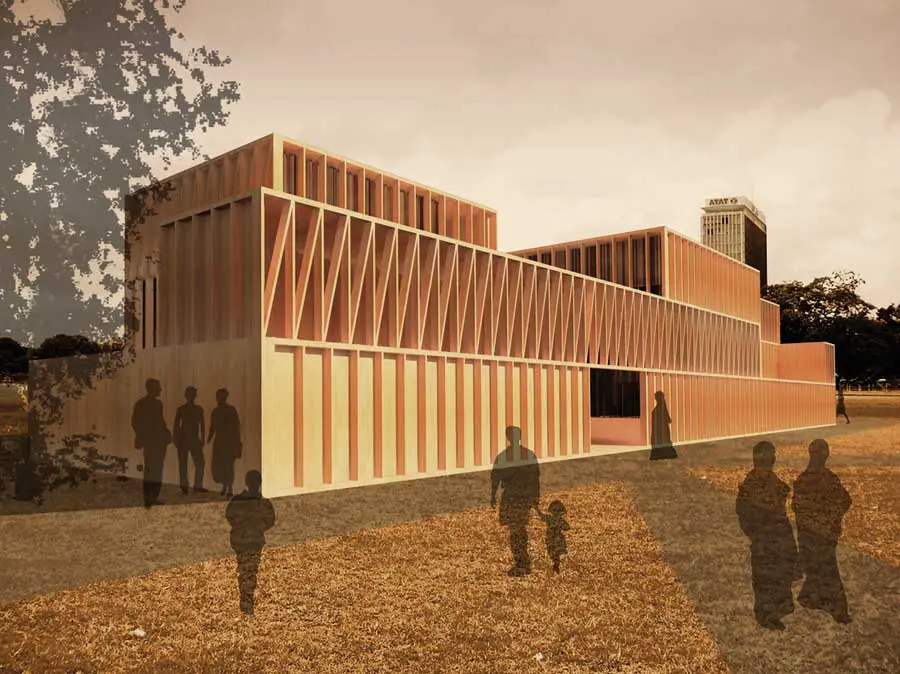
image courtesy of architects office
Kolkata Book Fair Pavilion design by Graeme Massie Architects
Location: Kolkata, Northeast India, South Asia
Kolkata Buildings
New Kolkata Architecture, chronological:
The Orient Restaurants reflecting Feng Shui & Taoism
Architects: Salient
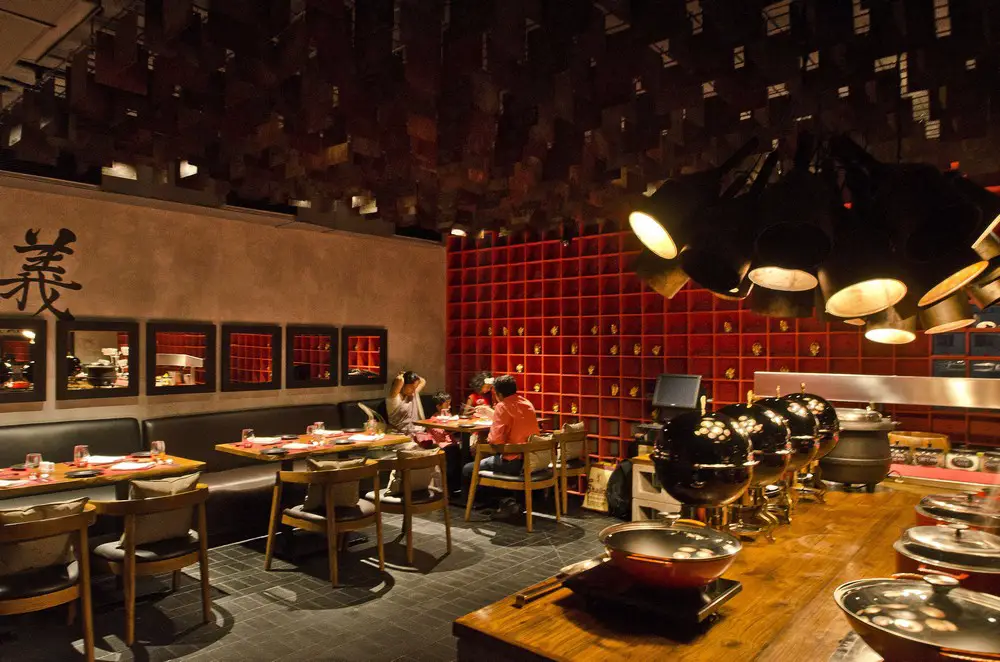
image courtesy of architects
The Orient – Chain of Restaurants in Kolkata
Greenwood Sonata, Rajarhat, Kolkata
Architects: Maniramka & Associates
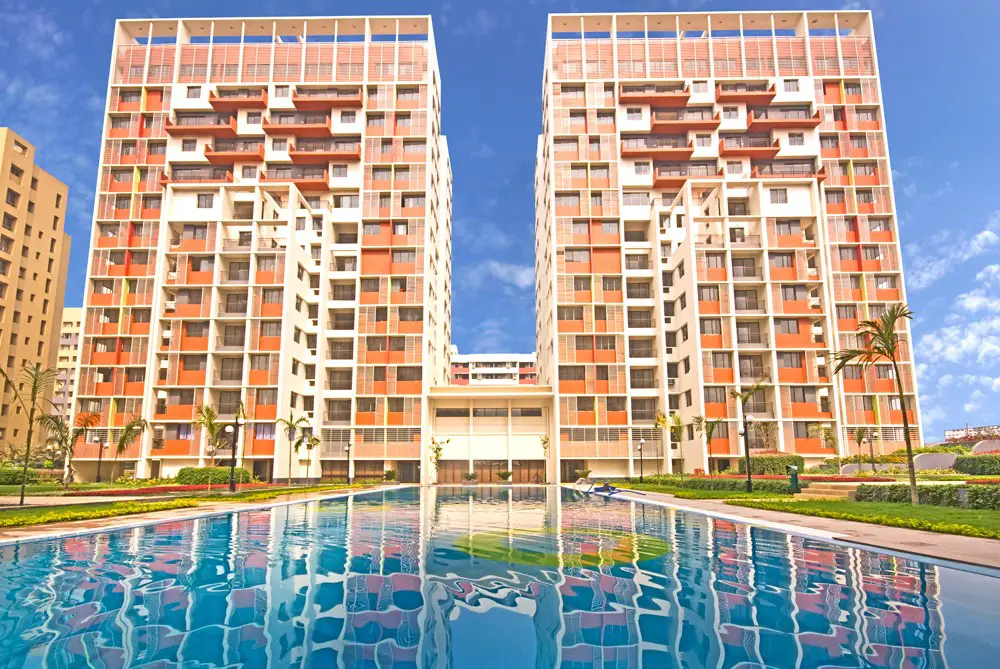
photograph : Mr. Biswanath Dasgupta
Greenwood Sonata Towers in Rajarhat, Kolkata
Tata Consultancy Services Software Development Campus
Architects: CannonDesign and its Yazdani Studio
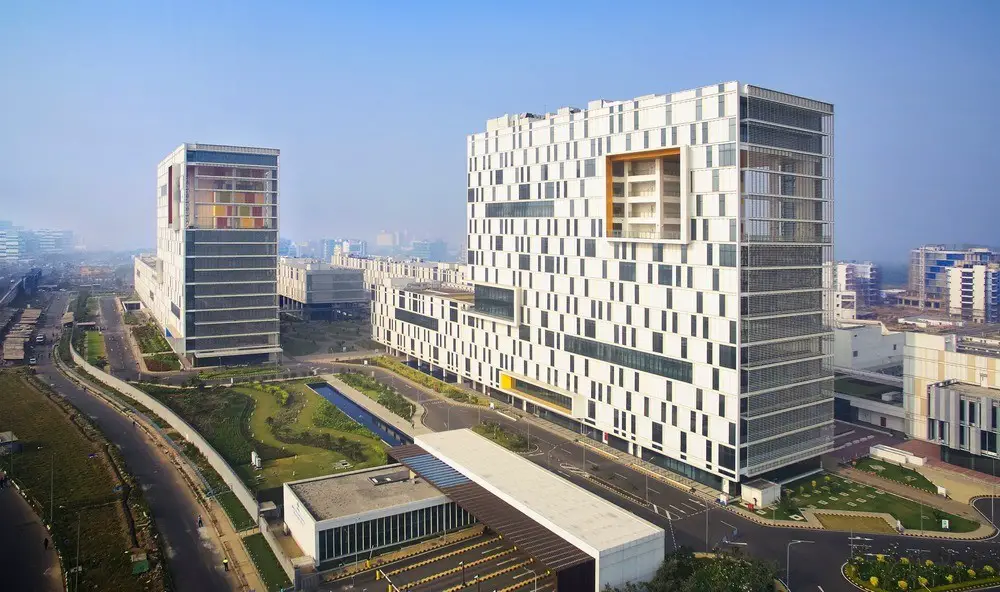
photo : Dave Burk Photography
Tata Consultancy Services Software Development Campus
Living Steel Restello
Design: PiercyConner, UK
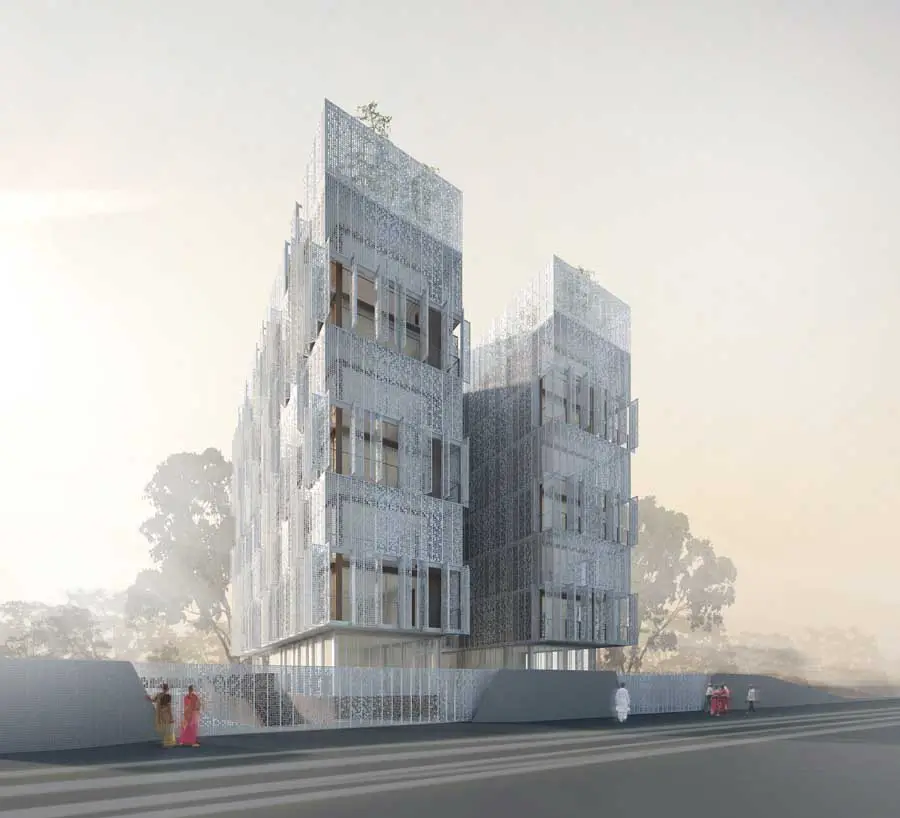
image from architects office
Living Steel Restello
Swabhumi Hotel & Cultural Complex
Design: Morphogenesis
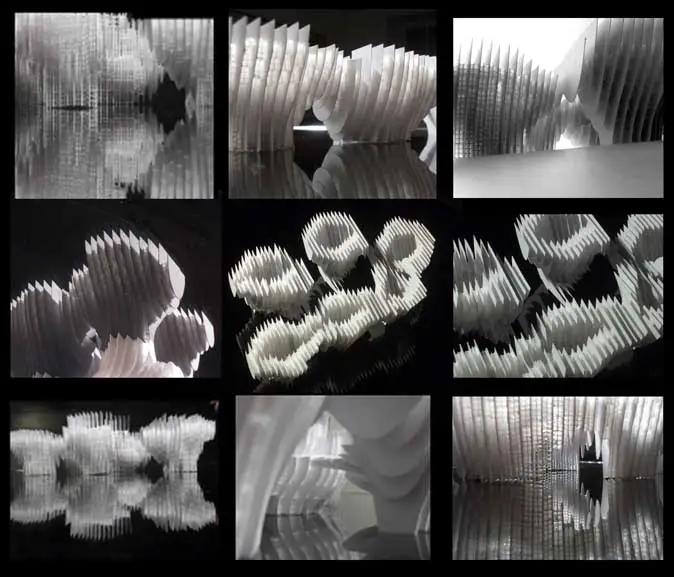
image from architecture practice
Swabhumi Hotel Cultural
Kolkata International Convention Centre, Kolkata
Design: RMJM
Kolkata Convention Centre
Kolkata Airport, Kolkata
Design: RMJM
Kolkata Airport
Architecture in India
Indian Architecture Designs – chronological list
Indian Architect : architecture practice contact details
Key Projects by Graeme Massie Architects – selection below:
Vatnsmýri Urban Plan, Iceland
Icelandic building competition
Atlantic College, Wales
Comments / photos for the Kolkata Book Fair 2009 Pavilion page welcome
Website: www.britishcouncil.org/scotland-kolkata-connections-scottish-pavilion-competition
