
Madrid Train Bombings Monument, Atocha Memoiral Photos, Spanish Building Design, Architect
Atocha Monument Madrid
Memorial Building in Spain design by FAM Arquitectura y Urbanismo
18 Dec 2007
11 March Memorial Madrid
Location: central Madrid, Spain
Design: estudio de arquitectura fam
Arquitectura España
Atocha Memorial
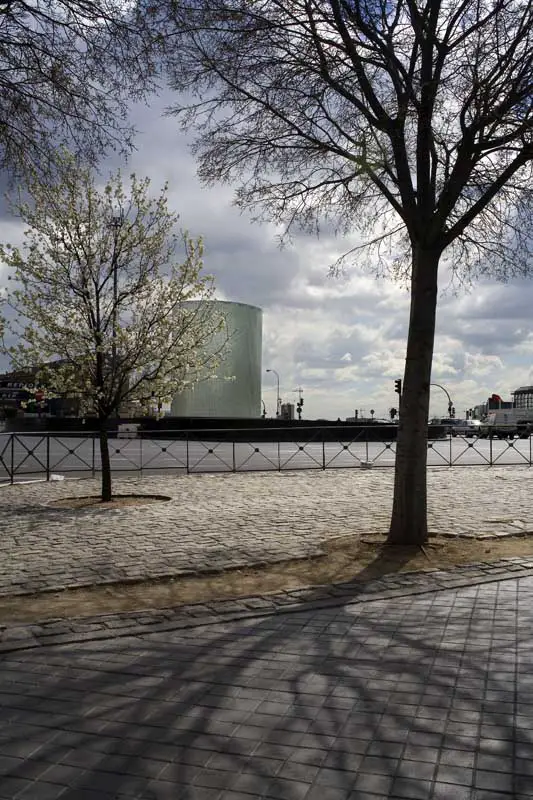
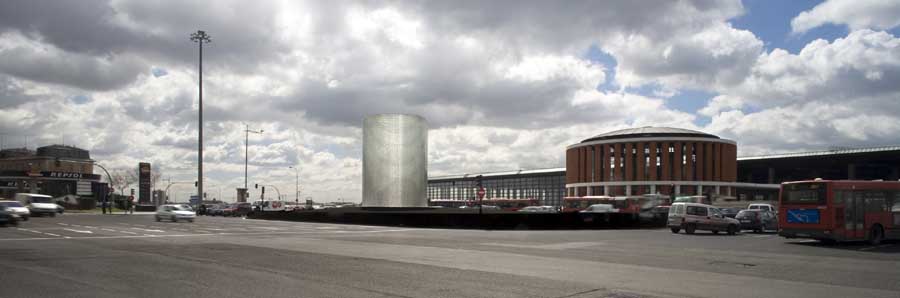
The memorial was inaugurated at the very site across from the round train station building on March 11 2007, the third anniversary of the terrorist attacks. It is an oval shaped glass cylinder that weighs 140 tons, is 11 meters high and has a diameter of 8 by 10.5 meters. A “completely new” construction was used to build it.
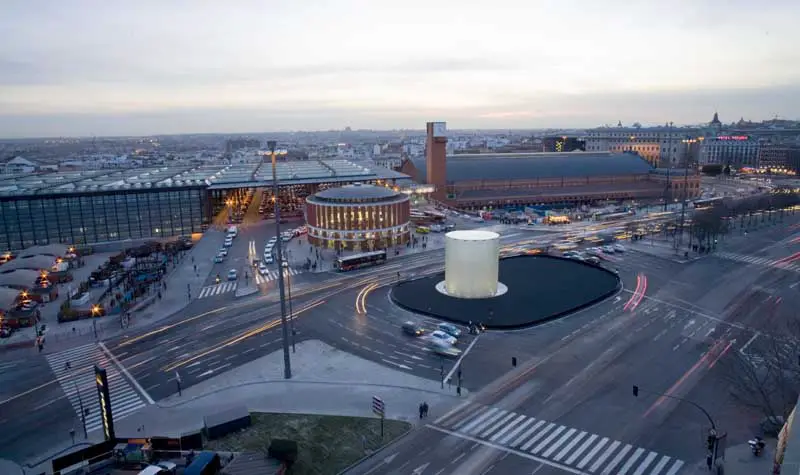
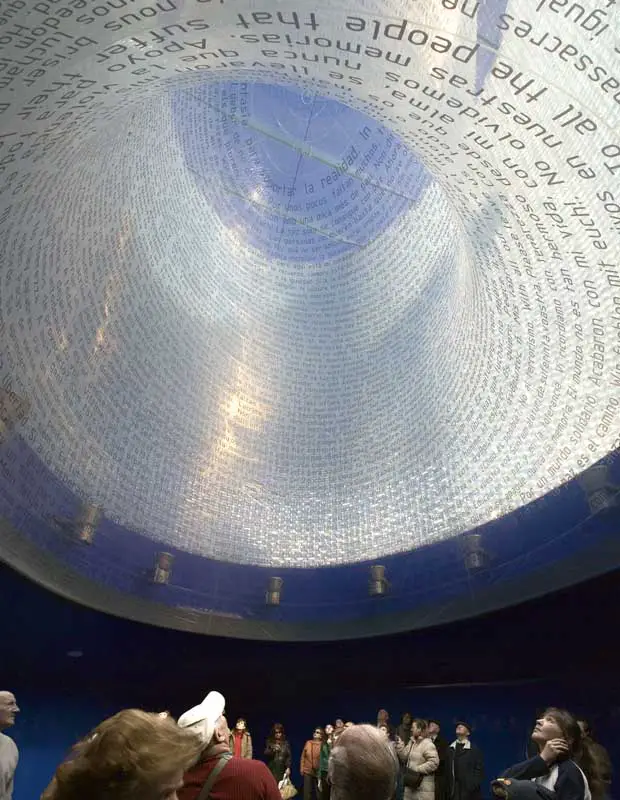
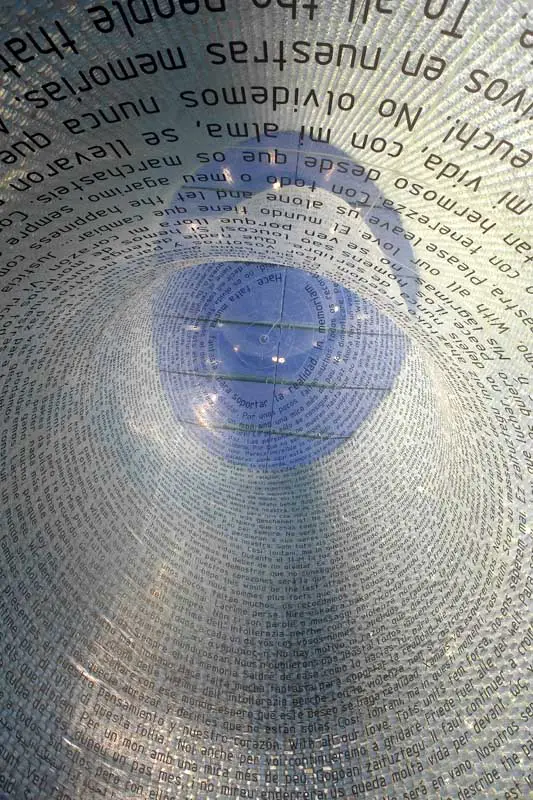
The complete monument consists of two parts, the glass cylinder and an underground presentation room. Both parts are linked together by a round window. This is designed to create the impression that the memorial, as a “shimmer of hope”, rises up towards the city from the depth of the train station, the “site of sorrow”. Inside the glass cylinder, spontaneous expressions of sorrow from citizens were engraved into a transparent plastic film. Each day at sunrise and sunset, the incident light illuminates these, thanks to the transparency and illuminating power of the glass construction.
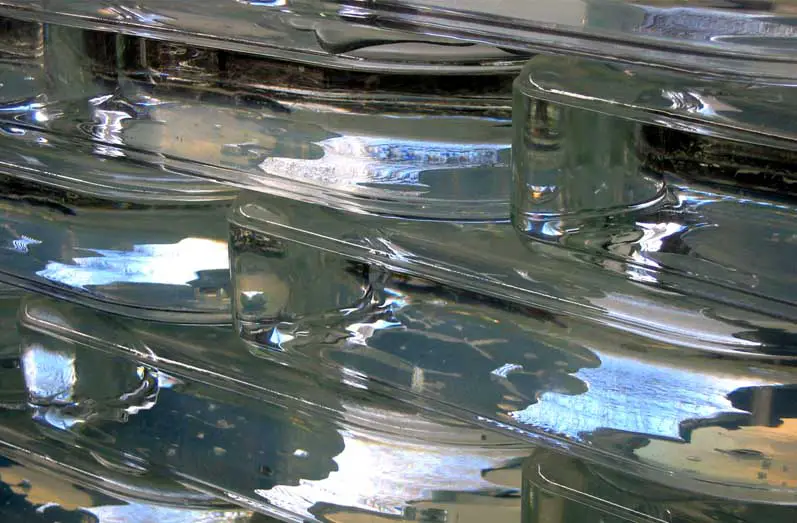
The luminous monument is built of 15,000 curved glass blocks glued together with a liquid-acrylic material hardened by ultraviolet lamps. Inside the tower, an ETFE membrane is printed with hundreds of messages left at the station by mourners in the days after the bombings. Thousands of messages of condolence made in the days after the attacks are inscribed on the inside of the tower.
Sunshine hitting the column of glass bricks focuses light into an empty, blue chamber below a busy highway, which the public can access via Atocha station. From below, visitors can peer skywards to read hundreds of messages of condolence and support wrapped around the inside of the cylinder. After dark, the volume radiates softly in the sky from lights in the opening at its base; during the day, sunlight produces an ethereal glow as it filters through the glass tower and reflects off the deep blue surfaces in the underground chamber.
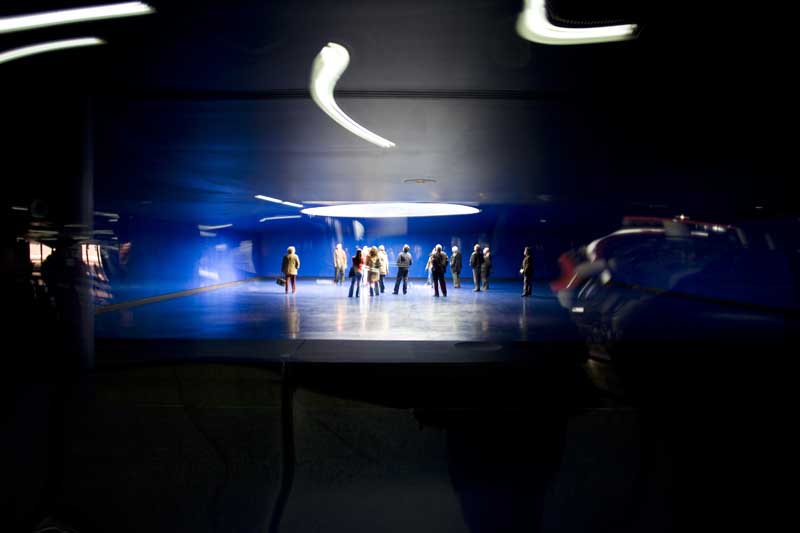
All day long visitors stream through a double set of steel-and-glass security doors into the chamber, which is large enough to accommodate up to 200 at a time, and gaze upwards into the dazzling light. The otherwise dark chamber with blue walls, ceiling and floor, has no furniture apart from a long blackcoated steel bench with circular concave indents where one can sit in contemplation of life and death. Names of all the victims are engraved on a frosted glass panel between the first and second entrance doors.
TECHNICAL REPORT
The structure of the Monument for the victims of the terror attacks in Madrid is a worldwide novelty. For the first time massive glass blocks will be connected to form a structure using a transparent adhesive and no additional mechanical elements.
The outer layer of the 11 meter tall monument consists out of approximate 15100 massive glass blocks, that are connected using just a transparent adhesive. The top portion of the glass structure consists out of 5 glass beams with a length of 8,50 m that are supporting 12 glass top plates. The internal layer is made out of a over pressure stabilized ETFE foil.
The blocks made of borosilicate glass had to be manufactured in round shapes, convex on the one side, concave on the other. This shape made it possible to bond them together in circular rows of blocks and, thus, create the cylindrical shape of the monument. One block alone weights 8.4 kg., measures 200 by 300 mm. and is 70 mm. thick.
While manufacturing, narrow tolerances and proven high temperature stability of borosilicate glass was also important. According to the specifications, the material had to be capable of standing up to the wind forces and extreme changes in climate Madrid often faces. Similar requirements applied to the flat roof construction made of glass for the top portion: 10 and 12 millimeter thick glasses were manufactured using the float process and offer extremely high
transmittance. To increase the mechanical strength, the glass was thermally tempered.
Memorial at Atocha Station – Building Information
Name: 11 March Memorial for the victims.
Location: Madrid, Spain.
Address: Av. Ciudad de Barcelona junto al Intercambiador de RENFE.
Year: 2007
Client: Madrid City Council and RENFE.
Architect: FAM Arquitectura y Urbanismo S.L.
Structural Engineering: Schlaich, Bergermann und Partner (SBP). Fhecor.
Installation Engineering: Urculo Ingenieros. Comacal.
General Contractor: Dragados S.A.
Times of realization: 1 1/2 Year Project and development. 1 Year Construction.
Cost: 6.000.000 €
Technical data:
Surface: 497.5 m²(Room underneath). 1088 m² roundstep.
Capacity: 200 People
Construction system
Slab: Reinforcement concrete slab pre-stressed with 21 steel strands.
Glass structure: Borosilicate glass moulded blocks bonded with acrylic adhesive.
Top portion: Borosilicate tempered float glass connected with steel bolts.
Membrane: ETFE 150 µ 97% transparency stabilized by pressurized room.
Height: 1113 cm. (Glass structure). 986 cm. (Membrane).
Weight: 135098 Kg. (Glass structure). 48,56 Kg. (Membrane).
Máx. Span (Concrete slab): 1765 cm.
Madrid Train Bombings Memorial photos from estudio de arquitectura fam 171207
Madrid Memorial Building architects : Estudio FAM
Location: Madrid, Spain
Madrid Buildings
Contemporary Madrid Architecture
Madrid Architecture Design – chronological list
Atocha Train Station
1984-92
Design: Rafael Moneo Architects
Atocha Train Station architects : Rafael Moneo
Axis Madrid – Plaza Colón Building Refurbishment
Architects: Foster + Partners
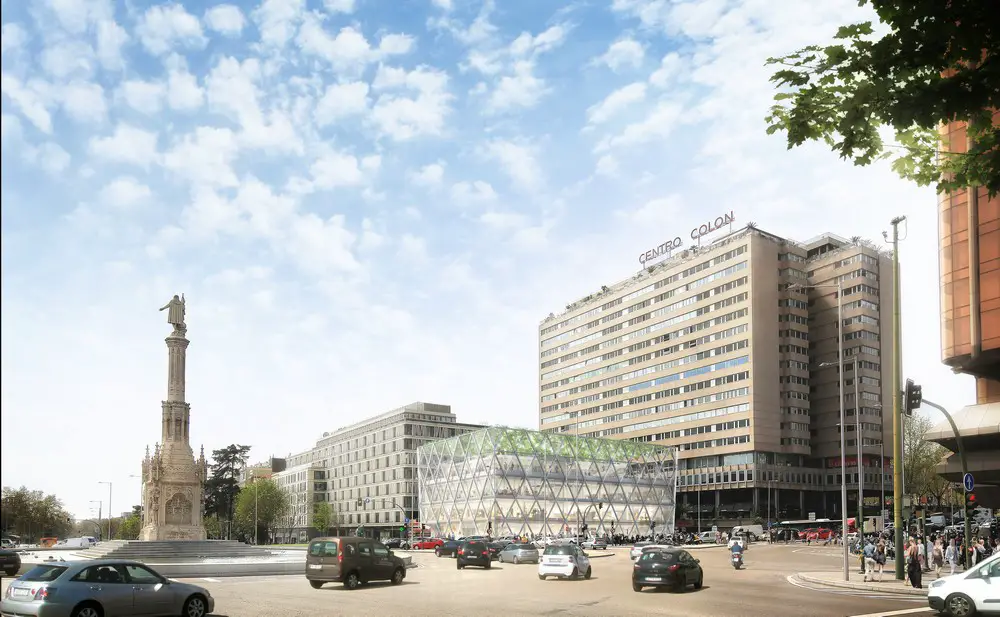
image Courtesy architecture office
Axis Madrid
Madrid Stadium : Bernabeu
Madrid Airport Building : Barajas
Comments / photos for the Madrid Monument Architecture page welcome
