
Holy Rosary Church St Amant, Religious Architecture Louisiana, Project Photos, America
Holy Rosary Church Building
St Amant Building, Louisiana Architecture design by Trahan Architects, USA
Jun 3, 2008
Holy Rosary Church Complex / St. Amant, Louisiana, U.S.A
Design: Trahan Architects
Photos: Tim Hursley / The Arkansas Office
Holy Rosary Church
Holy Rosary Catholic Church Complex
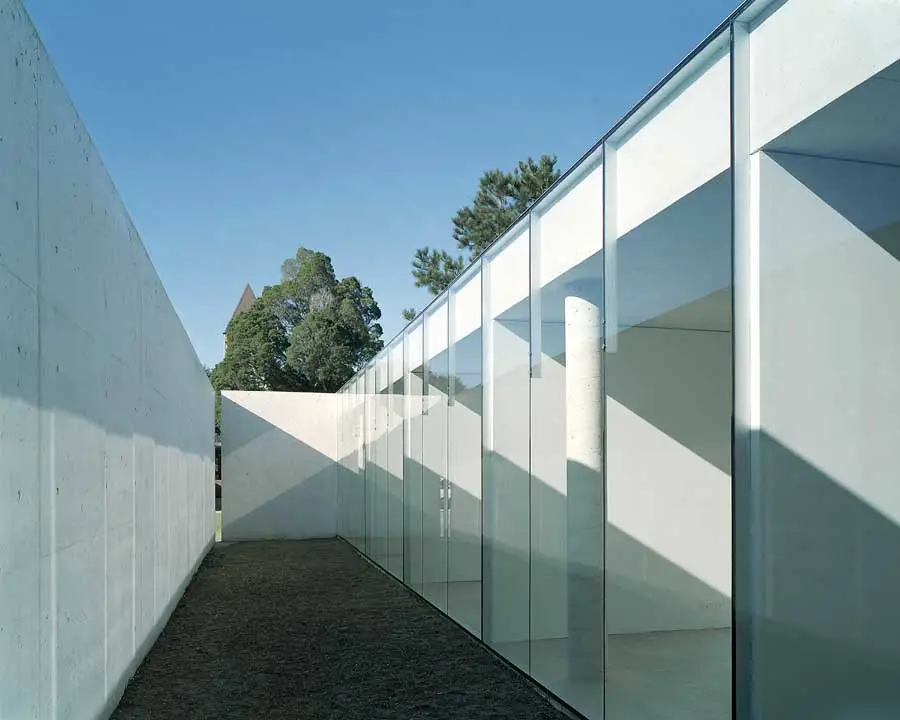
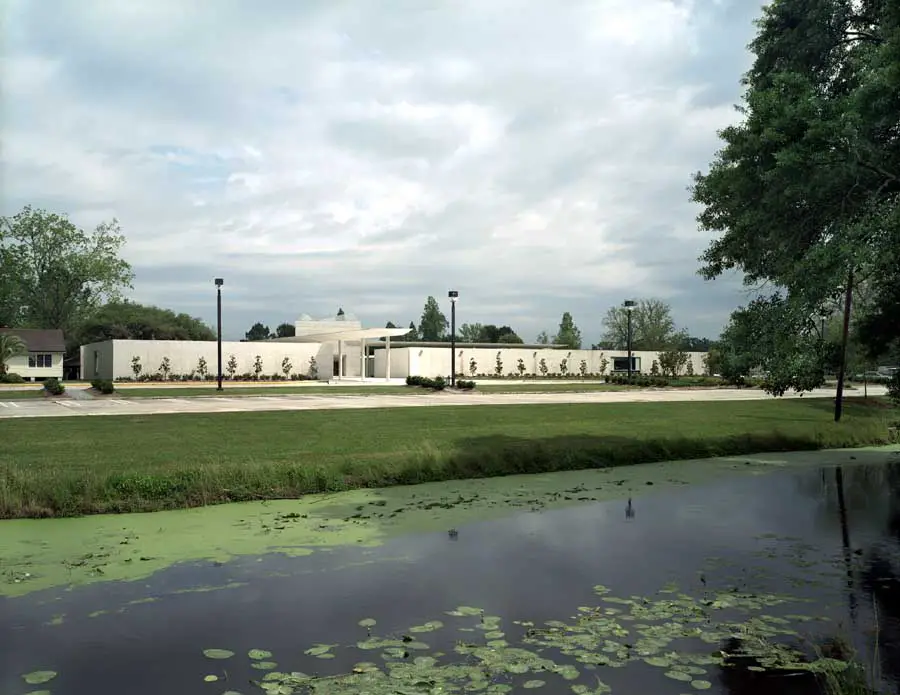
The Holy Rosary Chapel commission is an honest exploration of form, function, natural light and materials, providing an engaging and profound study in sacred space. The oratory is the focal point of its rural Roman Catholic campus, predominant by its unique placement and floating within the sacred precinct of a courtyard space.
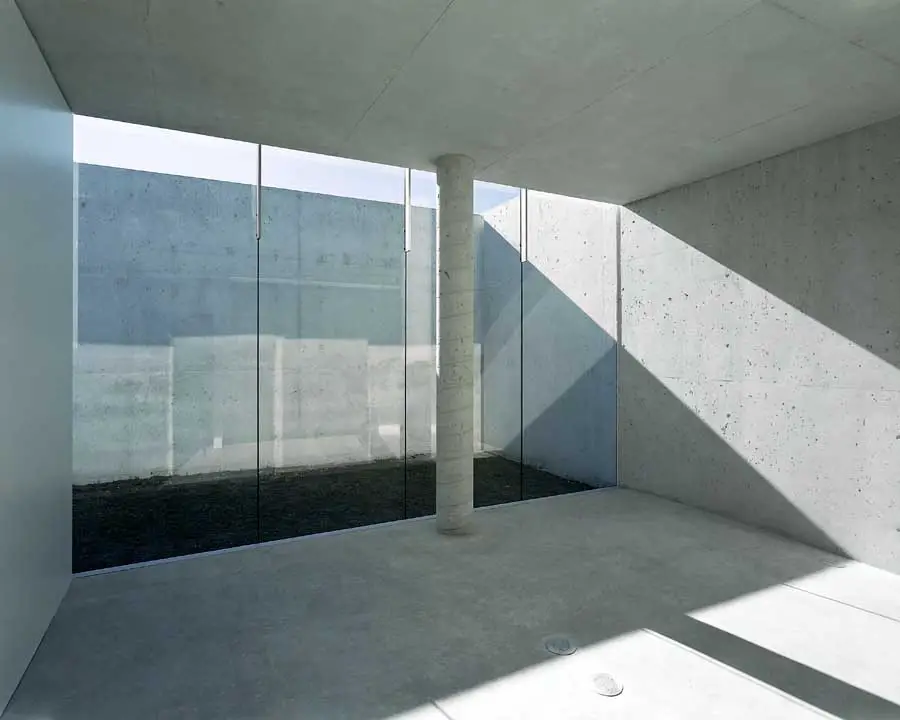
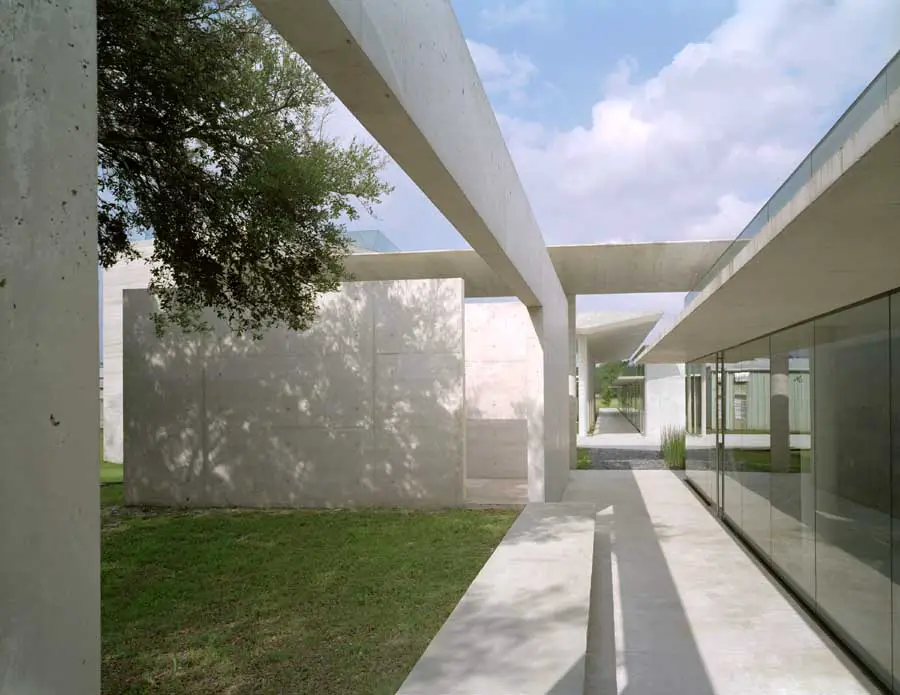
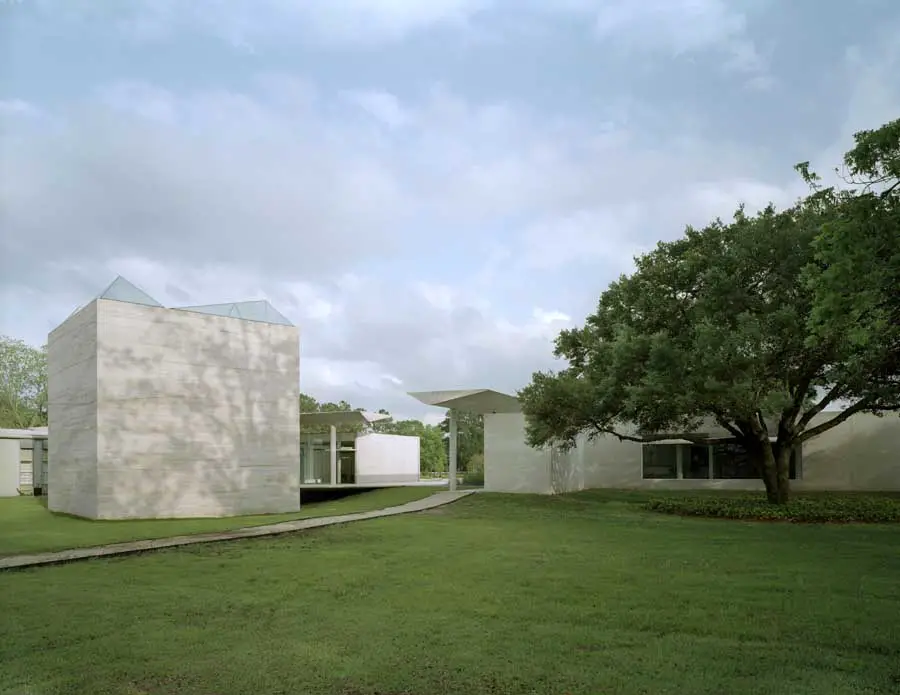
The masterplan of the rural campus creates a strong sense of place for all functions of the Parish, drawing a distinction between the program’s sacred and secular components. Secular components of the campus take form as linear or “edge” buildings defining a courtyard where the oratory is located. Traversing the courtyard in a clockwise direction, the path leads ultimately to the oratory. In the opposite direction, the path leads always back to the community.
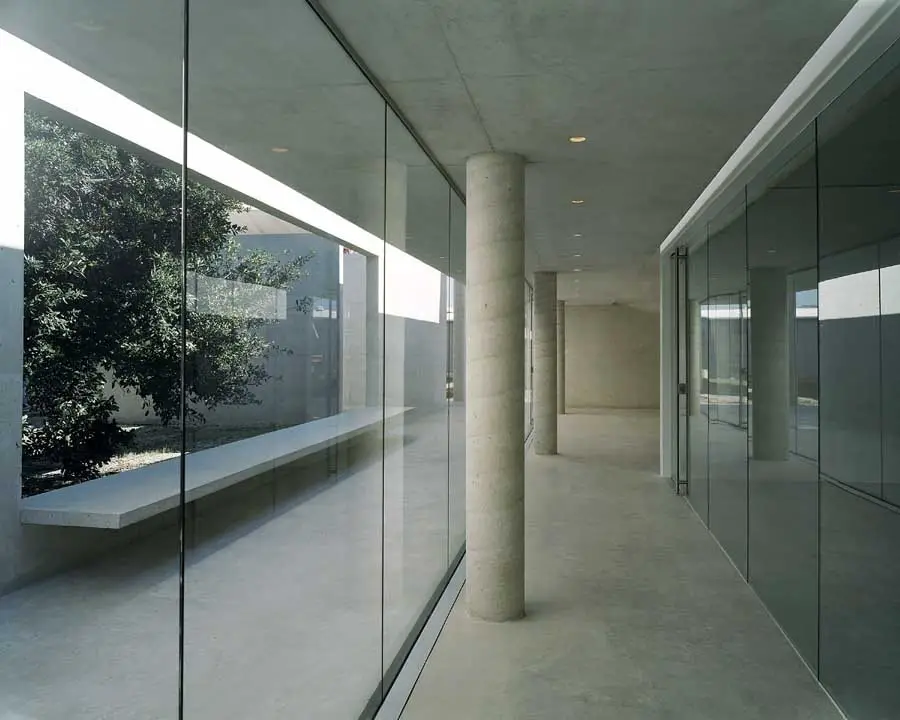
The oratory, like a crescendo in music, creates a deliberate break in the fabric of the campus. The resulting void space between the oratory and the secular pieces create an outdoor room appropriate for large communal gatherings, smaller gatherings or private meditation near the chapel.
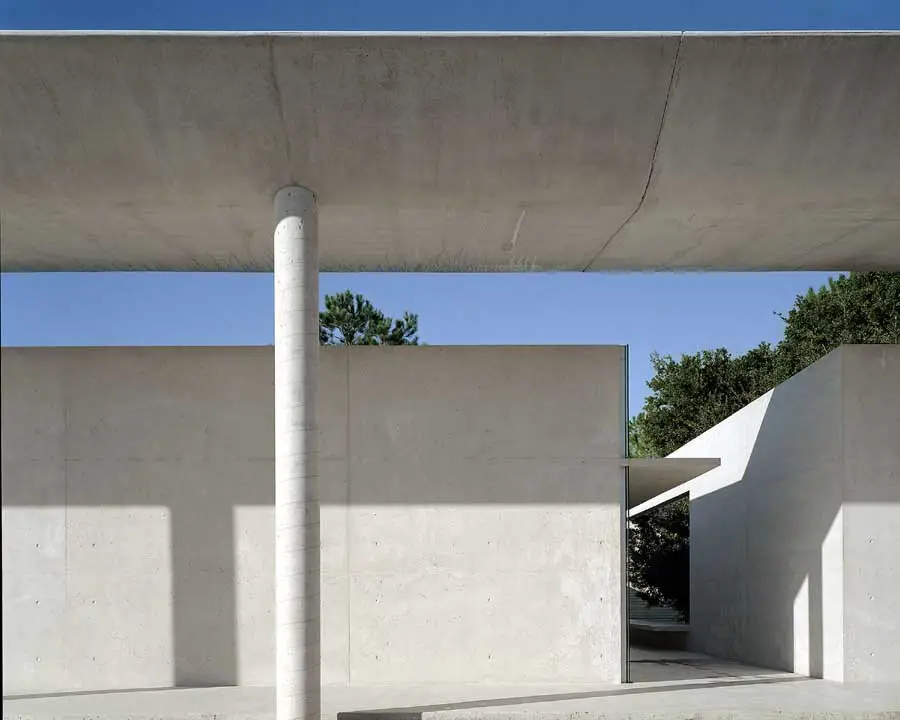
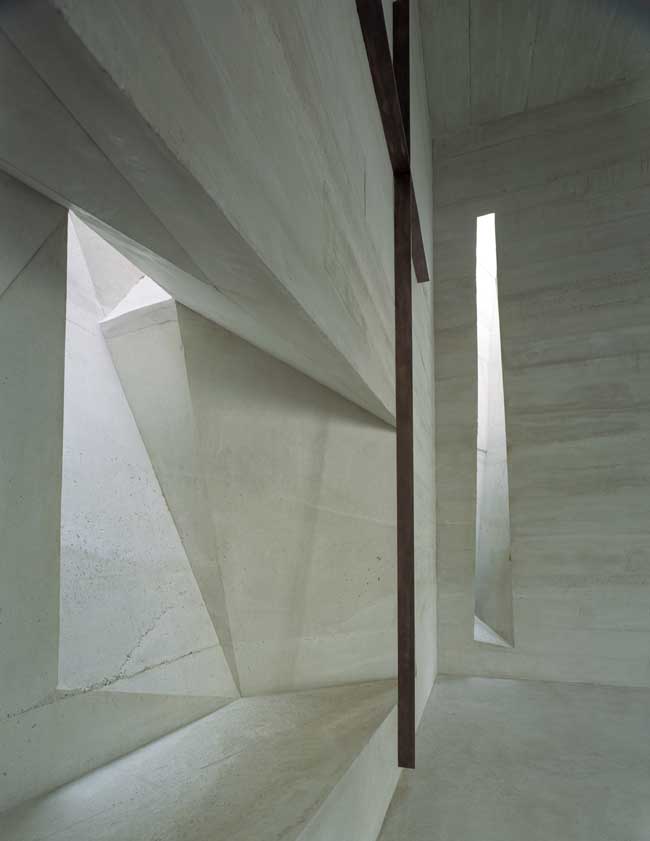
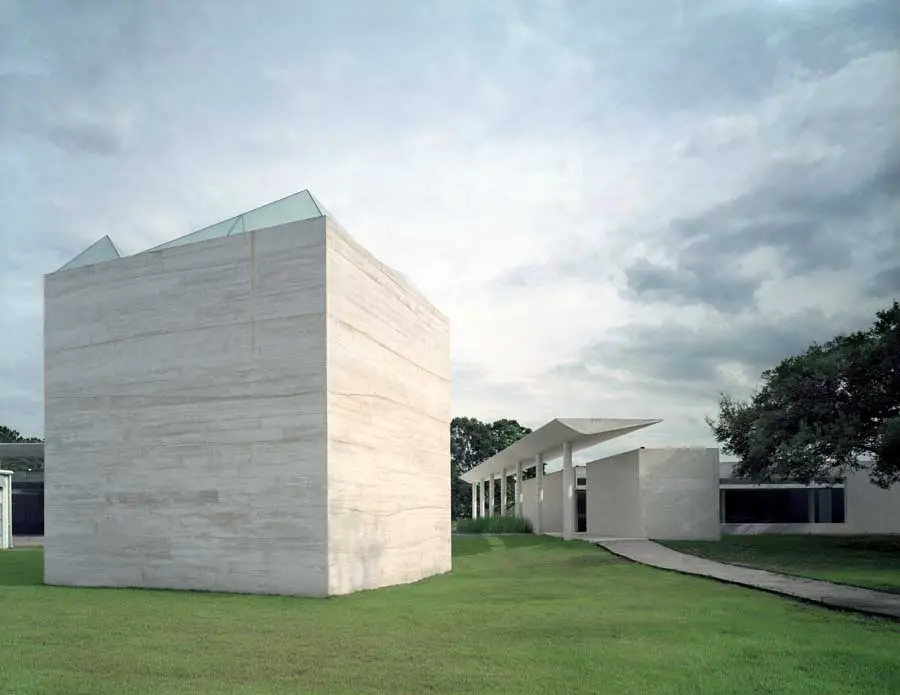
Design of the oratory stems from the concept of identifying a pure, comfortable, sacred space every human has experienced – the womb. Since the womb has no orientation of up or down, all sides are treated equally, thus evoking a strong sense of mystery. All six sides of the oratory cube are the same size, color and texture to create this same lack of orientation and resulting in the same sense of mystery. This careful and deliberate challenge of one’s sense of place continues through the rotation between exterior and interior space.
The geometric basis for the parti of the oratory was derived from the Japanese four and a half Tatami rug configuration. This non-hierarchical system accommodates the numerous seating configurations for liturgical purposes.
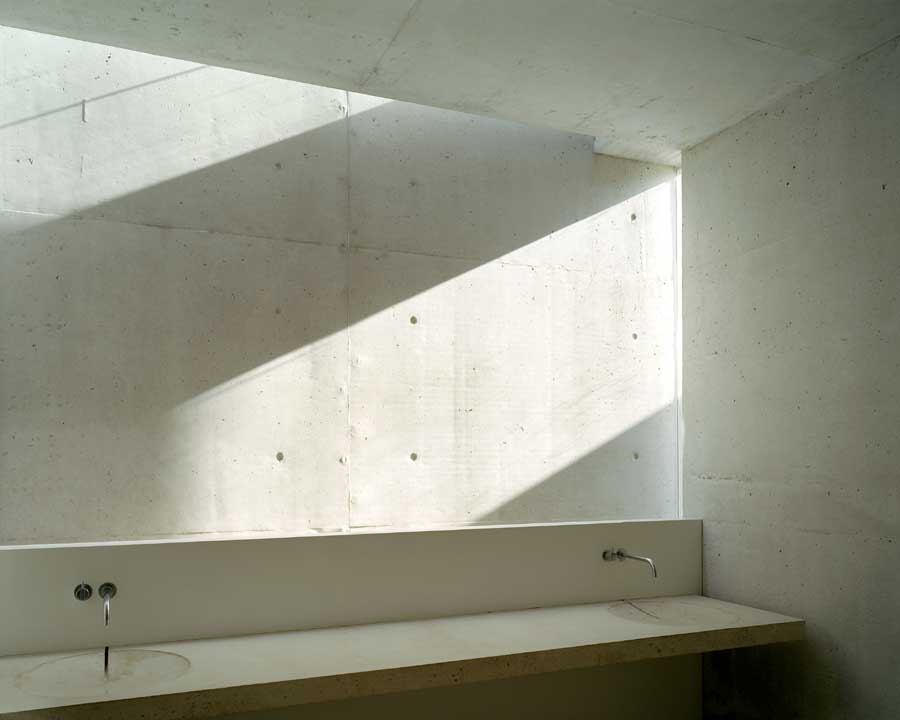
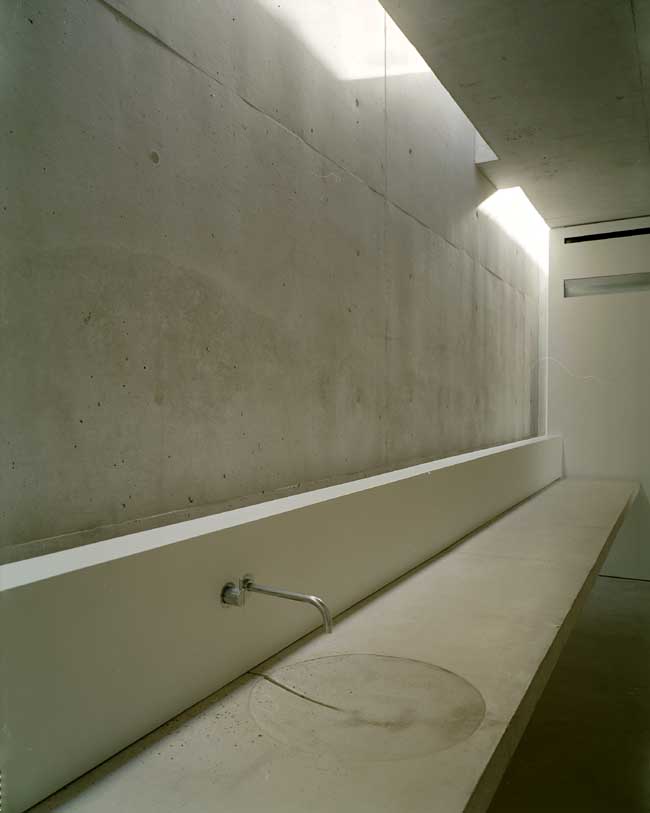
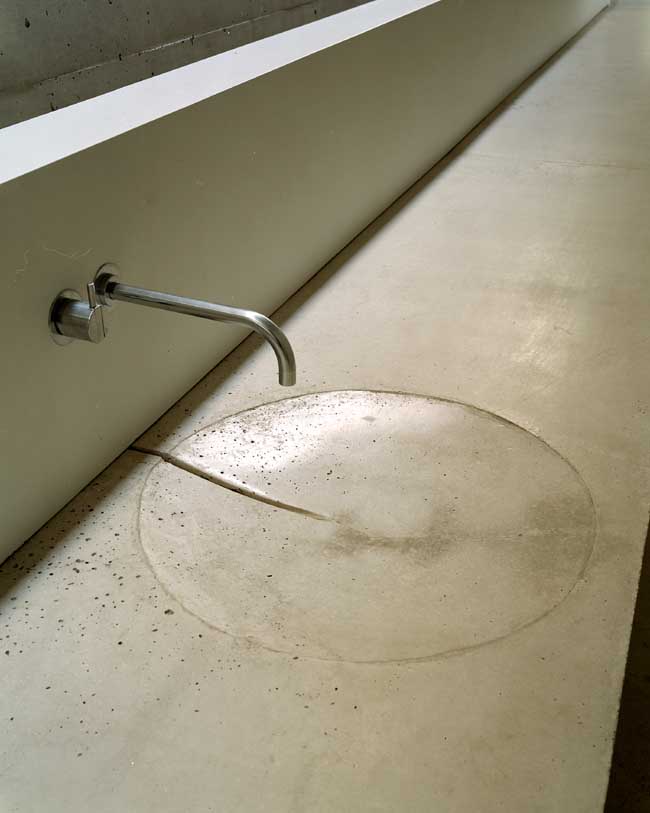
To satisfy the human desire for definition, apertures were created to introduce natural light to the oratory interior. Light enters through a variety of openings carved from the wall thickness without revealing context or light source beyond. In addition to giving occupants a sense of orientation, the obscured presence of light is symbolic of the paschal mystery of Christ.
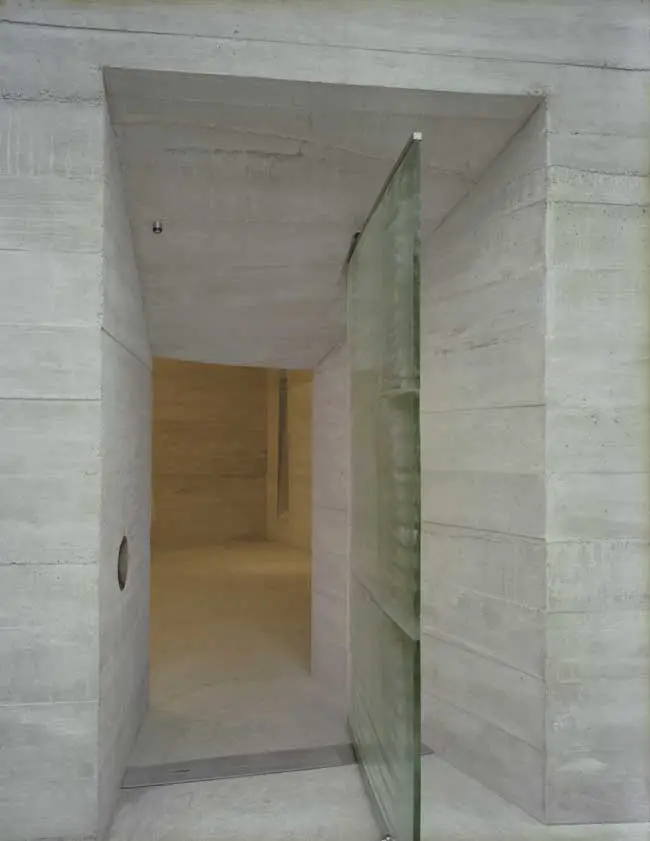
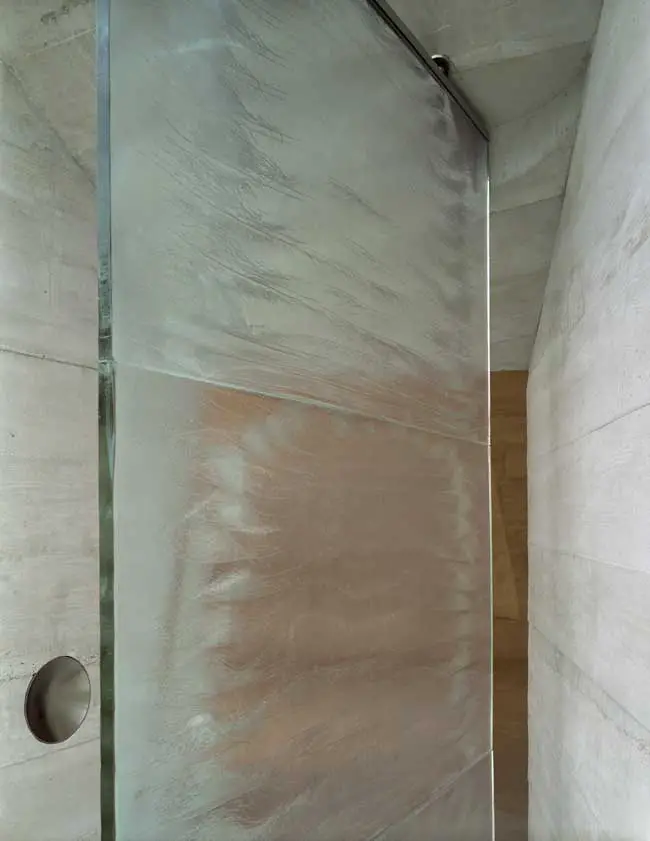
The transition into the oratory’s sacred space is also celebrated through an experience of light. A single threshold containing a sculptural cast-glass door has been designed to gather and refract light. Lens-shaped in plan, the door’s glass structure varies in dimension across its width, narrowest at its edge, 12 mm, and widest at its center, 75 mm. When approached, edges of the door appear to glow with the illumination from within.
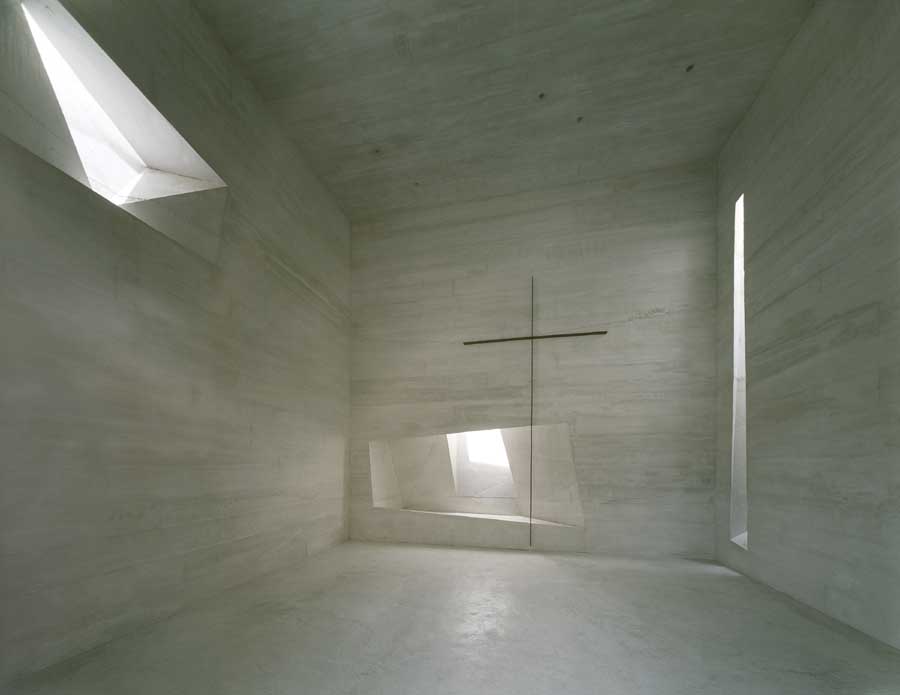
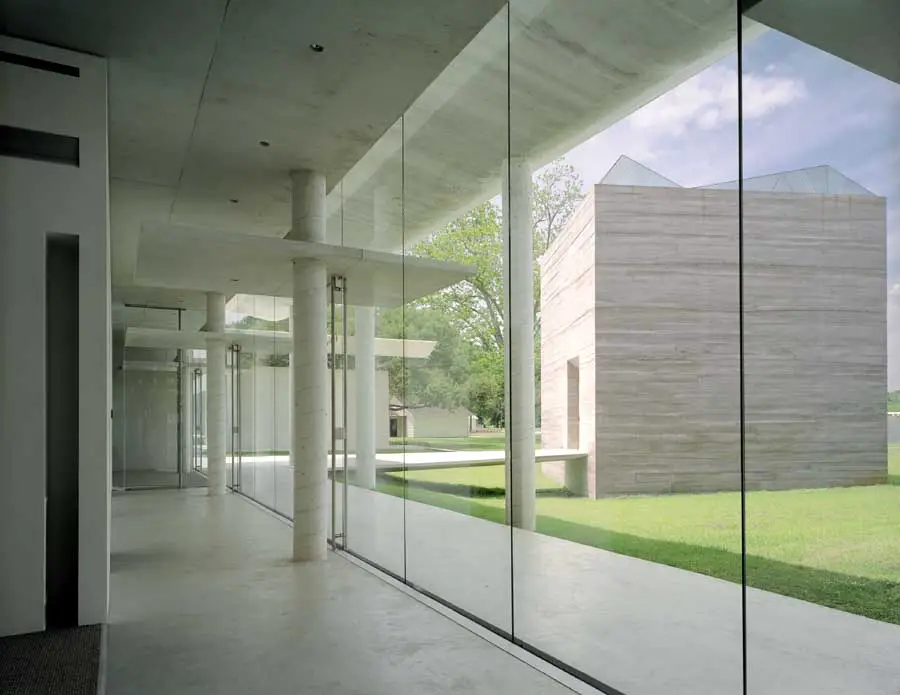
Another of the design philosophies employed at Holy Rosary was to avoid the use of costly or rare materials. InsHoly Rosary Churchd, materials naturally abundant in this region were utilized, allowing the materials to become radiant and glorified through proper use. The palette of materials is limited to board-formed concrete, plate glass and cast glass.
Neither opulent nor austere, Holy Rosary Chapel presents a thoughtful meditation on sacred spaces and the spatial embodiment of spiritual experience.
HOLY ROSARY CATHOLIC CHURCH COMPLEX
Client Brief – Intended use of building, special needs / priorities, client profile
The client is a rural Catholic Parish in South Louisiana with strong French influence. There are three buildings in the first phase of the Holy Rosary Complex – an administration building housing the administrative functions of the parish; the religious education building; and the oratory, or chapel for the celebration of the rites. The oratory is intended for the daily use of small assemblies, less than 50 congregants. The parish desired a relationship between the oratory, the existing church and for there to be a place of prominence for this chapel in the new complex of buildings. The client also required the new complex to play an important role in the community life of the predominantly Catholic residents.
Considerations – budget, environment, heritage, council restrictions, site
Holy Rosary Parish originated in March 1905 and currently serves 2,273 families. The parish and its complex is primarily a rural environment. The site consists of 15 acres, is predominantly flat and has no restrictions.
Holy Rosary Church Building : further information
Holy Rosary Church in St. Amant – Building Information
Project / Design Architect: Victor F. “Trey” Trahan III, AIA
Other Members: Structural Engineer: Schrenk & Peterson Consulting Engineers
Mechanical, Electrical, Plumbing Engineer: Apex Engineering Corporation
Builder: Quality Design and Construction, Inc.
Photographs: Tim Hursley / The Arkansas Office
Holy Rosary Church Building – images / information from Trahan Architects Jun 2008
Holy Rosary Church design : Trahan Architects
Location: St. Amant, Louisiana, United States of America
American Architecture Designs
America Architecture News – latest building updates
American Architectural Designs – selection:
American Religious Buildings
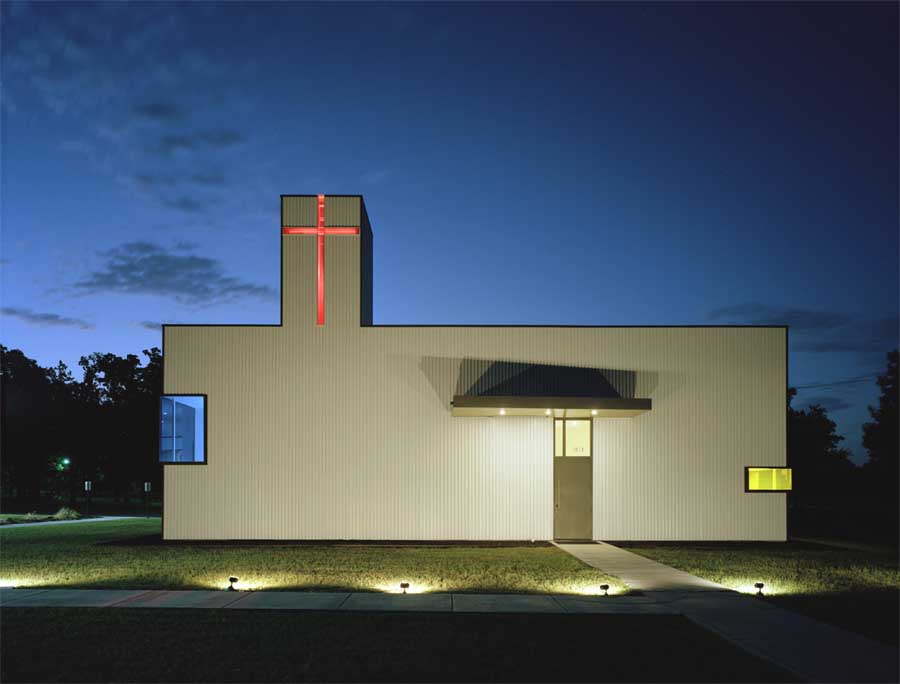
photograph : Timothy Hursley
Honest Mary’s, Austin, Texas, USA
Architecture: Chioco Design
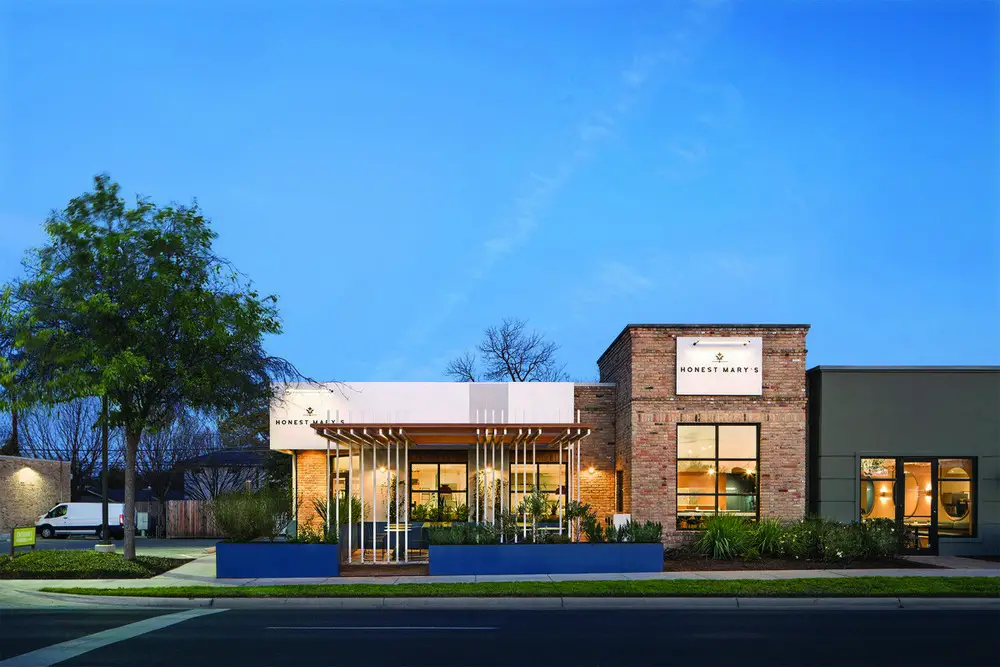
picture : Chase Daniel
Honest Mary’s Restaurant in Austin
Buildings / photos for the Holy Rosary Church Building – Louisiana Religious Architecture design by Trahan Architects page welcome
